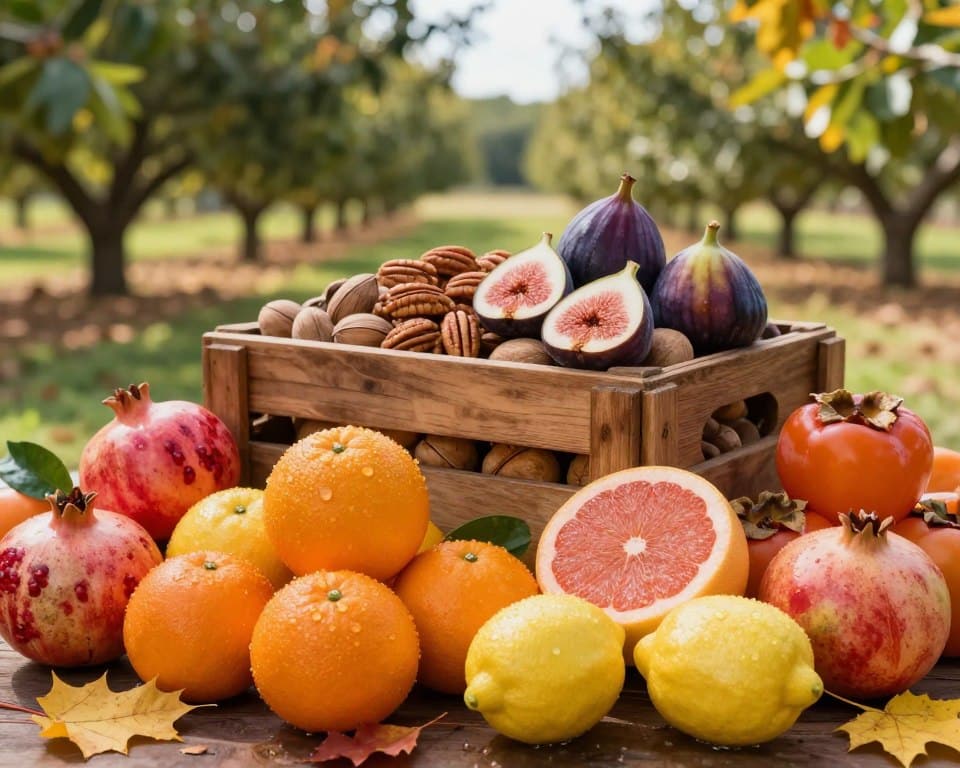
Quick answer: The top picks for this month are grapefruit, early oranges, tangerines/mandarins, apples, pears, persimmons, and pomegranates—all hitting markets as citrus kicks off across the state.
I love the smell of citrus at a farmers market—bright peel and tangy air—so I watch this transition closely. Texas citrus season begins in November, and grapefruit often runs through May, according to the Whisper Lettuce Farm calendar.
This month is a crossover: late fall produce still holds, and winter citrus starts to shine. That means you can buy local or rely on peak U.S. supply depending on your shop. I’ll give you an at-a-glance guide and quick tips for picking and storing each item.
Why it matters: Buying what’s ripe now means better flavor, lower cost, and more nutrition. I’ll walk you through simple selection tricks and easy Texas-style ways to enjoy these ripe treasures—fresh, roasted, or tossed into a salad!
Key Takeaways
- Top November picks: grapefruit, early oranges, mandarins, apples, pears, persimmons, pomegranates.
- November is a crossover month—fall produce plus winter citrus starting.
- “In season” can mean locally grown or peak-quality U.S. supply—check labels.
- Quick tips: squeeze, sniff, and give a gentle press to judge ripeness.
- Store citrus at cool room temp short-term; refrigerate longer to extend life.
- I’ll include a simple table and easy recipes to help you shop fast.
Texas November fruit quick answer
This month brings Texas-grown grapefruit to the top of the list, with early oranges and tangerines following close behind. Grapefruit runs roughly Nov–May; navels start around October and tangerines often go from October to January.
- Grapefruit — peak and widely available across the state.
- Early oranges and tangerines — great for fresh eating and juice.
- Apples — many North Texas orchards still harvest into November.
- Pears, persimmons, pomegranates — strong fall options at markets.
“For best flavor, buy citrus plus late-harvest apples or pears for a bright, balanced taste.”
Quick tip: If you want reliable flavor, pick citrus and late apples/pears. If you’re hunting rarer picks, fresh figs and local table grapes may be hit-or-miss at stands this month.
| Produce | Availability | Best use | Notes |
|---|
| Grapefruit | Nov–May | Fresh, juice, salads | High availability |
| Oranges | Oct–Spring | Eating, roasting, juice | Navels arrive early |
| Tangerines | Oct–Jan | Snacking, desserts | Sweet early, sweeter later |
| Apples / Pears | Late fall | Baking, salads, storage | North-grown options persist |
For a full guide to what’s available across the state, check this helpful roundup: what’s in season in Texas.
What “in season” means in Texas in November
I think of “in season” two ways: local harvest timing and the best-quality national supply on store shelves. One means what’s just picked nearby; the other means what’s at peak flavor in U.S. markets.
Why timing shifts by a few weeks some years
Weather drives most changes. Heat waves, hurricanes, dry spells, or early frosts can move a harvest by a couple of weeks. That can push a crop earlier or delay it a bit.
Where late-fall produce comes from
Regions matter. The Rio Grande Valley fuels winter citrus. North Texas holds many apple orchards. The Hill Country and West Texas offer some pears and small runs of other picks.
- Practical rule: If an item looks great but wasn’t grown locally, it may be peak nationally.
- Ask one question at markets: “Was this harvested in Texas this week?”
Fruit in season November Texas at a glance
November marks a neat shift—late-harvest picks still hang on while winter citrus quietly kicks off. Below is a compact look at what’s peaking, what’s tapering, and what to hunt for at markets.
November peak vs shoulder-month fruits
| Produce | Texas season window | November status | What to expect |
|---|
| Grapefruit | Nov–May | Peak start | Bright, juicy; great for juice and salads |
| Oranges / Mandarins | Oct–May / Oct–Jan | Early season / coming on | Sweetness climbs through the winter |
| Apples | Jul–Nov | Late-season | Local picks still crisp for baking |
| Persimmons & Pomegranates | Oct–Nov (varies) | Fall peak → late peak | Rich flavor; great for salads and baking |
| Figs & Table Grapes | Summer–Nov (US) | Last call | Softening; buy now or skip fresh |
Best bets for flavor and availability this month
Best bets: Go citrus and apples/pears for the best taste and value—bright flavor and wide availability at markets and stores.
Want a quick, fuller rundown? Check this helpful guide: what’s in season right now.
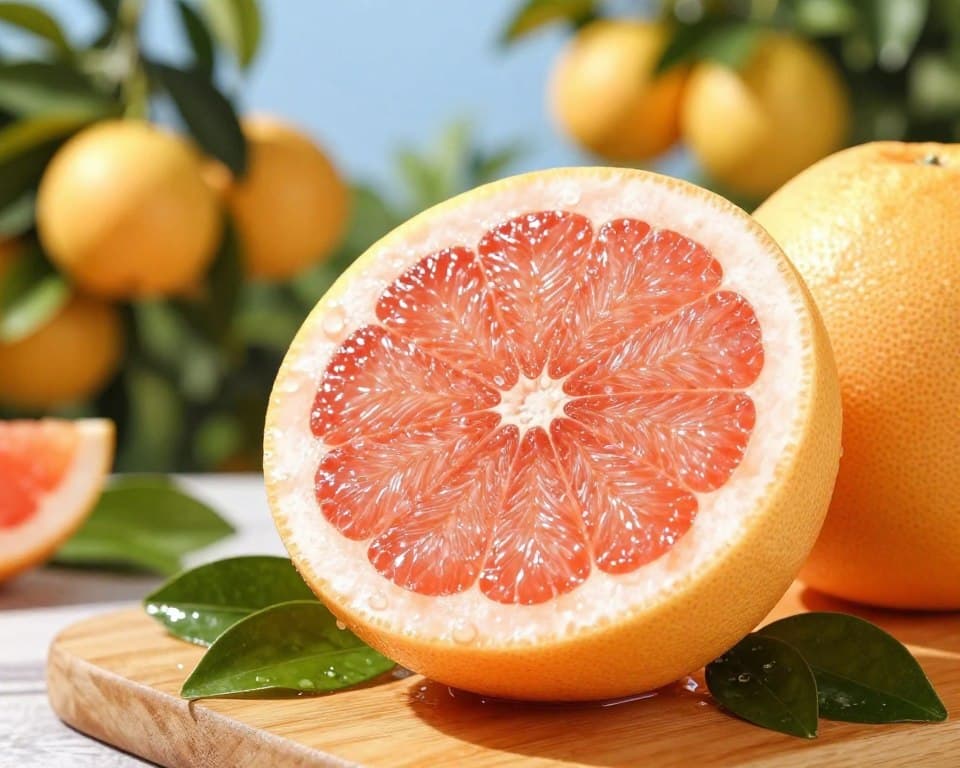
Grapefruit: Texas’ signature winter citrus starts now
Grapefruit wakes up the winter table—bright, juicy, and finally at its best here. I watch for heavier fruit and a fresh citrus scent; those cues mean the flesh will be lively and ripe.

Season window and why November matters
Season window: roughly Nov–May. Quality begins to improve in November as sugars build and bitterness eases.
Common varieties you’ll see
- Ruby Red: the official state pick and usually the sweetest.
- Sweet pink: often less bitter and very juicy.
- White: tangier and more tart—great for cooking.
How to pick a winner at market or store
Look for fruit that feels heavy for its size. That weight means dense, juicy flesh.
Avoid soft spots or blemishes. Smooth, tight skin and a clean citrus aroma are good signs.
Remember: color alone won’t tell you sweetness—weight and scent matter more.
Easy ways to use grapefruit
Segment for salads or toss arils into grain bowls. Fresh juice makes a bright vinaigrette.
Use zest in marinades or sprinkle over roasted vegetables for a lift.
Texas-style idea: mix honey and a splash of juice to glaze chicken or roast squash—brush on near the end so the glaze caramelizes but stays fresh-tasting.
| Tip | What to check | Best use |
|---|
| Weight test | Heavy for size | Eating, juicing |
| Skin & scent | Smooth skin, citrus aroma | Fresh segments, vinaigrettes |
| Variety pick | Ruby Red or Flame for sweet | Snacking, salads |
For a full state-wide guide, see what’s in season in Texas for timing and market tips.
Oranges in Texas: early-season picks in November
When navels arrive on stands, I know the mild citrus season is beginning and kitchens get brighter. Early oranges start around October and keep rolling through winter as Valencias join later.
Timing that matters
Navels show up first—great for eating and quick juice. Valencias arrive later and stretch into spring.
Practical uses
Oranges are versatile: toss segments into salads, roast slices for a caramelized edge, or squeeze fresh juice for a morning boost.
Selection cues
Pick fruit that feels heavy for its size and smells bright at the stem. Avoid soft spots or mold near the stem end.
| Use | Best orange | Why |
|---|
| Fresh eating | Navel | Seedless, sweet, easy peel |
| Salads & segments | Navels or Hamlin | Firm segments, bright flavor |
| Roasting & glazes | Valencia or Pineapple | Good juice yield and bold zest |
| Juice | Valencia | High juice content, balanced sweetness |
Holiday tip: Save zest for cranberry sauce or mix orange juice with honey for a simple roast glaze. Small swaps like that lift holiday plates fast.
Tangerines and mandarins: small citrus that shows up in late fall
I watch for little mandarins and tangerines at markets—easy to peel and bright-flavored. They start arriving early and then mellow as the cold months progress.
Timing and what to expect
Texas timing: roughly Oct–Jan, with tangelos often from Nov–Jan. Early picks in the month taste brighter and a bit tart. Mid- to late-winter fruit grows noticeably sweeter as sugars build.
Quick shopping tips and uses
- Choose easy-peel skin and a fresh, citrus scent; skip dried or puffy specimens.
- Note labeling: stores may use “mandarin” or “clementine” on the same tray—both are small mandarins.
- Try segments in a salad for a juicy pop, or use juice in a quick pan sauce for chicken or tofu—adds a sweet, tangy lift.
- Keep an eye out for tangelos at good stands; they’re a fun specialty pick for winter.
Apples: late-season Texas harvest through November
Apples picked late on the tree often carry more sugar and deeper flavor. I watch North orchard bins because these late picks often make the best pies and snacks.
Where they grow best and why timing matters
North growing areas get steadier chill and predictable frost. That helps apples finish sweet and firm. A local farmer will tell you weight and skin shine mean good flesh.
Which varieties to buy for pies, salads, and fresh eating
Match variety to the use for best results:
| Variety | Best use | Notes |
|---|
| Braeburn / Northern Spy | Pie, baking | Holds shape; tart-sweet balance |
| Fuji | Fresh eating | Very sweet; crisp bite |
| Pink Lady | Salads, lunchboxes | Slower to brown; firm texture |
| Golden Russet / Winesap | Cider-style uses | Rich, complex flavor for cooking |
Preserving ideas
Make applesauce: simmer peeled apples with a splash of water and cinnamon until soft; mash and jar. For apple butter, cook longer with less liquid until thick and spreadable.
Oven-dried chips: thin slices, low oven, flip once—crispy snacks that keep well.
“Which apple did you pick this week, and what do you bake with at home?”
Pears: fall favorites that pair well with November meals
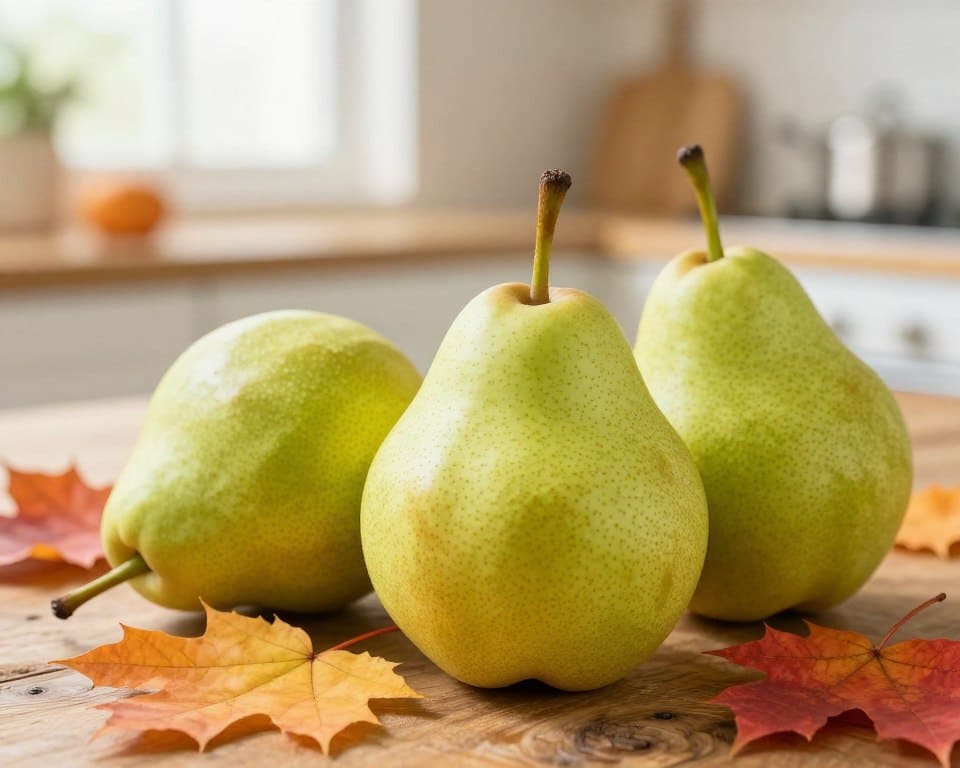
I love how pears add gentle sweetness and soft perfume to a plate. They work as a bright salad topper, a cozy baked treat, or an easy cheese board accent.
Fresh eating vs baking — how texture matters
Bartlett pears turn silky when ripe and are best for fresh eating and simple snacks. Bosc and D’Anjou keep their shape under heat and are my go-to for pies and roasting.
European vs Asian — simple differences
European varieties tend to be soft and aromatic. Asian varieties like 20th Century (Nijisseiki) and Hosui stay crisp—more apple-like. That contrast helps you pick a pear for a salad or a warm side.
- Baking-friendly: Bosc, D’Anjou — firm texture, hold shape.
- Snack & cheese board: Comice, Bartlett — soft, sweet, aromatic.
- Crisp munching: 20th Century, Hosui — crunchy and juicy.
“Buy pears firm and let them ripen at home for the best flavor.”
| Use | Best picks | Why |
|---|
| Salads | Bartlett, Comice | Soft, sweet slices that meld with greens |
| Baking / roasting | Bosc, D’Anjou | Hold texture under heat |
| Cheese board | Comice | Rich, floral sweetness |
Tip: buy firm and ripen at room temp. Once soft, move pears to the fridge to slow further ripening.
Persimmons: a true Texas fall fruit that can peak in November
Persimmons bring a warm, honeyed sweetness that feels like a cozy fall dessert on a fork. I watch for glossy skin and a gentle give when I press. When ripe, they are mellow, rich, and very satisfying.
What ripe persimmons taste like
A fully ripe persimmon tastes like honey and apricot with a silky finish. Texture is almost jammy for some varieties. The flavor is deep, not sharp.
Where you’ll find them
Look at a good farmers market or a well-stocked produce store during fall. Local growers often bring Oriental varieties that ripen late. Native American types also appear at some stalls and yards.
How to buy and enjoy
Buy firm, shiny specimens for non-astringent types. For astringent varieties, wait until very soft before eating. Unripe ones can be harsh and puckery—so be patient.
Snack ideas: slice and eat, scoop over yogurt, or pair with toasted nuts for extra crunch. For quick salads try:
- Persimmon + arugula + pecans with a light citrus vinaigrette.
- Persimmon + citrus segments + feta for a sweet-savory counterpoint.
| Type | Ripeness cue | Best use |
|---|
| Oriental (astringent) | Very soft, jelly-like | Scoop fresh, baking |
| Fuyu (non-astringent) | Firm to slightly soft | Slice for salads or snacks |
| Native American | Soft and fragrant | Preserves, baking |
“Wait for softness on astringent types—rush it and the taste will disappoint.”
Pomegranates: late-season fruit with arils made for salads
A ruby pomegranate can lift a simple bowl to something festive and bright. I love the color and punch it gives a salad or grain bowl.
Why they do well here and fall availability
Long, dry summers help pomegranates develop deep flavor and sturdy rinds. Later-ripening types often hold on through October and into late fall, so you can still find good fruit at markets.
Typical aril yield per fruit
Plan on about 6–8 ounces of seeds (arils) per pomegranate. That yield is handy when you scale recipes for salads or relishes.
Low-mess seed removal
Score the rind around the equator, then pull the shell into sections over a bowl of water. Rub the arils loose underwater—the pith floats and the seeds sink. Drain and pat dry. Less fuss, less splatter!
- Sprinkle arils on salads for crunch and color.
- Stir into grain bowls or spoon over yogurt.
- Storage tip: whole pomegranates keep longer; prep arils close to serving time.
| Attribute | Typical range | Best use |
|---|
| Aril yield | 6–8 oz per fruit | Salads, garnishes |
| Flavor | Sweet-tart | Grain bowls, yogurt |
| Storage | Weeks whole; days as arils | Prep when serving |
Figs: last call for fresh fruit before the season ends
Small, soft figs are a last hurrah—grab them when you spot glossy skins and a gentle give. I say that because their shelf life is tiny and they bruise fast.
Why they’re hard to find: figs ripen and spoil quickly. A frost can wipe out a late crop, though some trees do sneak a second fall harvest. That makes availability spotty and short-lived. 😊
Shop smart: buy only what you’ll eat in 1–2 days. Check for cracks, leaking juice, or soft spots. If a fig is slightly wrinkled and fragrant, it’s OK—just eat it soon.
- Simple uses: slice on toast with a swipe of ricotta, toss halves into greens, or roast briefly with honey for a warm topping.
- When fresh fades, dried figs are a reliable pantry swap for baking or snacking.
| Tip | What to check | Best short-term use |
|---|
| Buy small amounts | Glossy skin, slight give | Eat raw or roast |
| Spot damage | Leaks, cracks, mold | Skip or cook immediately |
| Backup plan | Dried or jarred | Baking, snacking |
Grapes: end-of-season U.S. supply and what that means in Texas
Grapes often linger on store shelves late into fall, but the selection tightens as the month wears on. I see fewer novelty varieties and more basic table types from across the U.S.
Typical U.S. timing and variety shifts
U.S. grape harvest runs roughly June–November. As the calendar moves, growers ship fewer specialty varieties.
Result: stores keep standard red, green, and black grapes longer; unusual cultivars fade earlier.
Wine grapes vs table grapes locally
In the Hill Country you’ll find wine grapes from local vineyards. Table grapes are rarer here—many Texas table harvests finish by early October.
Easy roast method and why it helps
Roasting softens texture and concentrates a sweet flavor. Toss grapes with a little oil and salt, roast 375°F for 12–15 minutes until they blister.
Use roasted grapes on sweet potatoes, with roasted meats, or tossed into salads for a warm, jammy note. Yum! 😊
“Roasting turns ordinary grapes into a silky, sweeter topping that pairs beautifully with savory dishes.”
| Topic | Timing | Local note |
|---|
| U.S. supply | June–November | Many standard varieties late |
| Texas table grapes | Mostly early season, often done by Oct | Harder to find fresh locally |
| Texas wine grapes | Late summer–fall | Common in Hill Country vineyards |
Hard-to-find but possible in November: kumquats and other specialty fruit
Some treasures arrive in tiny batches—kumquats and oddball crops that reward the patient shopper. These picks show up at select stands and sell out fast, so a quick visit to the market can pay off.
Kumquats: tiny citrus you eat whole
Kumquats are edible whole—rind and all. The peel is sweet and aromatic, while the flesh is tart. Seeds can be bitter, so many people spit them or remove them before eating.
Two easy uses: thinly slice into salads for a bright pop, or simmer chopped kumquats with sugar and a splash of water to make a quick marmalade-style topping for toast or pork.
Other local oddities you might spot
Some growers bring small runs of jujube, loquats, pawpaws, mayhaws, papayas, or even backyard bananas. Quantities are limited and availability can be inconsistent.
- Expect quick sell-outs—ask the farmers when the next pick might arrive.
- These items often follow a spring and summer calendar, so note when to watch for them next year.
| Item | Typical cue | Best use |
|---|
| Kumquats | Firm, glossy skin | Sliced in salads, quick marmalade |
| Pawpaws & loquats | Soft, fragrant | Scooped fresh or in preserves |
| Jujube / mayhaw | Small batches at markets | Jams, baking |
“If you see something unusual, buy a little—these specialty picks rarely come back the next week.”
Where to buy November seasonal fruit in Texas
A quick loop through a farmers market shows what’s ripe: heavy citrus, firm apples, and any rare treats a grower brought. I use a simple order when I shop—citrus first, apples and pears next, then specialty stalls for small runs.
Certified markets and what to ask growers
Look for certified stands on the Texas Department of Agriculture Certified Farmers Markets list. Those markets vet vendors and make it easier to trust labels.
Ask every grower three exact questions: When was this harvest?, What variety is this?, and Is this best for fresh eating or baking? Those answers save time and money.
CSAs, farm stands, and pick-your-own options
For steady weekly produce, I subscribe to a CSA or visit a trusted farm stand. USDA AMS local food directories list CSAs and community outlets by county.
Pick-your-own is great for apples and pears—call first to confirm a scheduled harvest and any entry fees.
How to shop for best flavor on a budget
My budget tactics: buy citrus by weight or bag for the best value, choose seconds for cooking, and favor heavier pieces—they usually hold more juice per dollar.
| Buy at | Why | Action |
|---|
| Certified farmers market | Vetted sellers, clear labeling | Check TDA list; ask harvest date |
| CSA / farm stand | Consistent weekly produce | Sign up for a share; phone ahead for pickups |
| Pick-your-own | Lower price per pound | Confirm harvest window; bring boxes |
“Ask three things at the stall: harvest date, variety, and best use.”
Storage and handling to keep November fruit fresh longer
I pay attention to simple temperature and time rules—they save money and keep produce tasting better. A few clear steps at home cut waste and stretch what you buy.
Citrus counter vs refrigerator
Keep citrus on the counter for about one week at room temperature for best eating. After that week, move it to the fridge to extend life by several weeks.
Quick cue: if the skin loses firmness, it’s time to chill.
Apples and pears: ripen, then chill
Let apples and pears finish ripening at room temp. When they reach your preferred softness, place them in the refrigerator to slow further softening.
This simple swap of places buys extra storage life and reduces spoilage.
Freezer options to cut waste
- Freeze citrus juice in ice cube trays for sauces and drinks.
- Flash-freeze sliced apples for baking—toss in lemon juice first.
- Bag pomegranate arils and freeze flat for smoothies or toppings.
- Label bags with the date so you know how long they’ve been stored this year.
Handling tip: keep produce dry and don’t wash until ready to eat—moisture speeds decay. A little care at harvest-to-table time goes a long way! 😊
Simple ways to eat more November fruit (Texas-style ideas)
I aim for quick, bold bites—salads and roasted trays that use what’s ripe without making dinner fussy. Below are buildable ideas you can mix and match for weeknights or holiday sides.
Salads that sing
- Apple + kale: chopped apple, torn kale, toasted walnuts, lemon-honey dressing—bright and crunchy.
- Pear + pecans: sliced pear, mixed greens, goat cheese, drizzle of balsamic—soft and sweet.
- Citrus + avocado: segmented citrus, avocado slices, fennel, olive oil—creamy meets tangy.
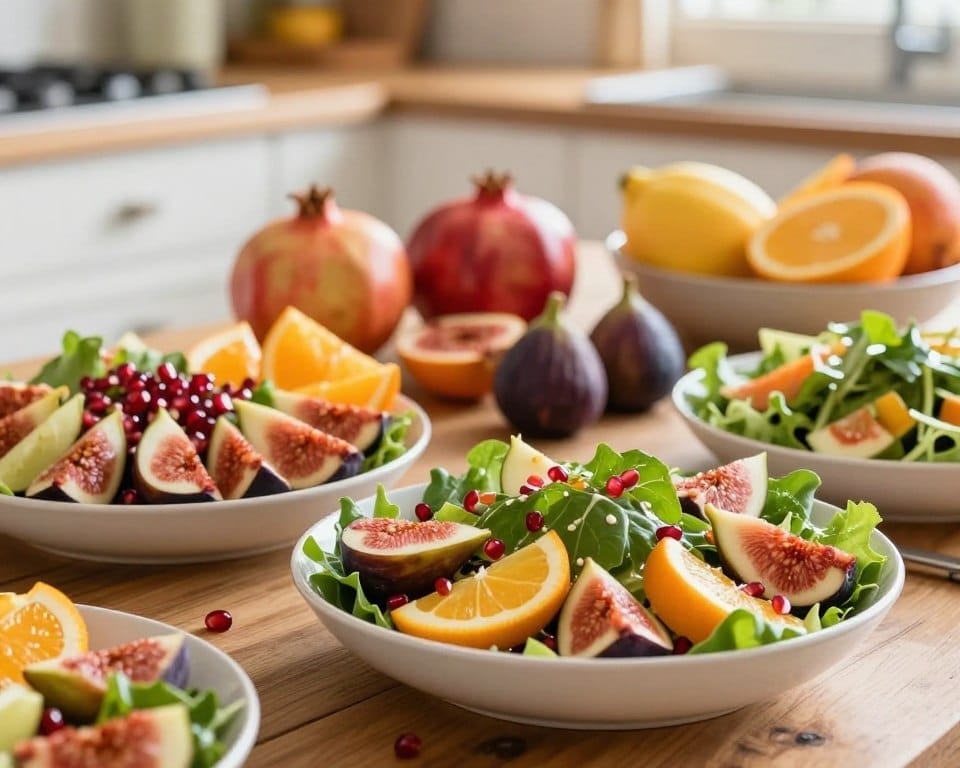
- Pomegranate arils: sprinkle over any bowl for color, crunch, and a tart pop.
Roasting and sheet-pan pairings
Roasting boosts sweetness and tames bitterness—especially useful with root vegetables.
- Carrots with a citrus glaze and thyme—roast until tender and lightly charred.
- Brussels sprouts tossed with grapes and balsamic—roasting makes the grapes honey-like and glorious.
- Sweet potatoes roasted with orange zest and a sprinkle of smoked paprika—simple and cozy.
| Sheet-pan idea | Main veggies | Quick tip |
|---|
| Herb roast | carrots, potatoes, squash | Toss with oil and citrus zest |
| Grape & sprouts | brussels sprouts, grapes | Finish with balsamic drizzle |
| Sweet potato mash | sweet potatoes, shallots | Roast then mash with butter |
Thanksgiving-friendly combos
- Pear-cranberry relish as an easy side for turkey—no fuss, big flavor.
- Citrus-herb turkey accents—zest and segments tucked under the skin for bright aroma.
- Pomegranate arils over roasted squash or pumpkins—fresh color and tart contrast.
“Roasting turns grapes honey-sweet and helps sprouts pair beautifully with savory mains.”
Sources and evidence for Texas seasonal timing
I rely on a few trusted government guides to confirm when crops hit peak ripeness across regions. Those references give clear data and help me turn local observation into verifiable fact.
USDA SNAP-Ed seasonal produce guidance
The USDA SNAP-Ed site offers plain-language calendars and nutrition content. I use it to check broad growing windows and to confirm handling and storage tips that match the practical guide I share here.
Source: https://snaped.fns.usda.gov
Texas Department of Agriculture farmers market resources
The Texas Department of Agriculture lists certified markets and vendors. I use that list to verify which stands are vetted and where to ask harvest-date fact questions at the stall.
Source: https://texasagriculture.gov
USDA AMS local food directories and CSAs
USDA AMS directories help me locate CSAs, farm stands, and distribution hubs. This lets readers find local sellers and confirm real-time availability for produce.
Source: https://www.ams.usda.gov
| Source | Main use | What I check |
|---|
| USDA SNAP-Ed | Seasonal timing & tips | Growing windows, storage advice |
| Texas Dept. of Agriculture | Market verification | Certified vendors, market locations |
| USDA AMS | Local sourcing | CSA listings, supply directories |
Use these sites to double-check any purchase. I cross-reference them when I list availability so you get reliable fact-based content and can find nearby sellers at a farmers market with confidence.
Conclusion
Let’s tie it together with a tight recap and a simple shopping plan.
Top picks this month: grapefruit leads, then early oranges/mandarins, apples, pears, persimmons, and pomegranates. Grab heavy, fragrant pieces for best flavor and value.
Timing shifts with weather and time—some years crops arrive earlier or later. Stay flexible and check labels or ask the grower for harvest dates.
Shopping plan: buy citrus plus apples and pears first, then add one specialty item if you spot it. That mix covers snacks, salads, roasting pans, and holiday sides with fresh color and balance.
Use the sources linked above and ask vendors questions at the stall for the freshest fruits and the clearest local guidance. Happy shopping! 🍊
FAQ
What counts as “in season” for November in Texas?
“In season” means produce that’s naturally ripe and widely available locally during November — citrus like grapefruit and tangerines, late apples and pears, persimmons, pomegranates, some grapes and figs. I look for fruit harvested close by rather than shipped from far away because it tastes brighter and lasts longer.
Why does harvest timing shift by a few weeks some years?
Weather does the steering — warmer falls speed ripening, cool snaps slow it. Rain, heat, and freeze events change bloom and fruit-set timing, so growers adjust pickups and markets shift availability. I always check local market updates when planning recipes.
Where does Texas get much of its late-fall fruit?
Many items come from regional Texas orchards and Gulf-coast citrus groves. Some table grapes, apples, and specialty citrus may still arrive from nearby states like California when local supplies are light. Farmers markets and CSAs will often note exact sources — ask the farmer for the freshest intel.
Which fruits are peak versus shoulder-season in November?
Peak in November: grapefruit, tangerines/mandarins, pomegranates, persimmons, some pears and apples. Shoulder-season or winding down: figs and certain table grapes. I aim for peak items for best flavor and value.
What are the best picks for flavor and availability this month?
Go for ruby-red grapefruit for juiciness, mandarins for easy snacking, crisp late apples for salads, and ripe persimmons for silky sweetness. Pomegranate arils add a bright pop. These typically deliver the best texture and taste in November.
When does Texas grapefruit season start and why is November important?
Texas grapefruit ramps up in late fall — November often marks the start of regular availability. Cooler nights encourage color and sugar development, so fruit picked later in the month can be sweeter and less tart.
Which grapefruit varieties should I look for?
Look for Ruby Red and other red or pink types for sweeter flesh and a prettier color. There are also white grapefruit; they’re tangier. I choose based on whether I’m juicing (pink/red) or need a tart salad accent (white).
How can I pick a good grapefruit at the market?
Choose heavier fruit for its size — that means more juice. Firm with a slightly give is ideal. Bright color and thin, smooth skin usually signal ripeness. Avoid fruit with soft spots or deep blemishes.
What are easy ways to use grapefruit?
Segment it into salads, broil halves with a honey glaze, mix into salsas or cocktails, or add to yogurt for breakfast. Grapefruit’s tang pairs wonderfully with roasted root vegetables and leafy greens.
When do Texas oranges (navels) come into season?
Navel oranges begin in late fall and carry into winter. November often offers early navels — sweet and great for fresh eating, salads, and juicing as the season deepens into December and January.
How are mandarins and tangerines timed here?
Mandarins and tangerines usually appear from October through January. Early fruit can be a touch tarter; sweetness builds as the season progresses. They’re a reliable snack in November when harvest picks up.
Which apples do best in Texas for pies, salads, and fresh eating?
For pies: Granny Smith or Jonagold-like varieties hold up under heat. For salads and fresh eating: Fuji, Gala, and Honeycrisp-style apples offer crisp texture and sweet-tart balance. Local orchard labels tell you what variety you’re buying.
How do I preserve November apples?
Make applesauce, slow-simmer apple butter, or dry thin slices into chips. You can also freeze peeled slices tossed with lemon juice or sugar syrup for later baking — simple and waste-fighting.
Should I buy pears for fresh eating or baking?
It depends on variety. Bosc and Bartlett are great for baking because they hold shape; Anjou and other softer types are superb for fresh eating once they mellow. I let firmer pears ripen at room temp, then chill to slow further softening.
What should I know about Texas persimmons in November?
When fully ripe, Hachiya-style persimmons become custardy and honey-sweet; Fuyu types stay firm and slice like apples. You’ll find them at markets and some farm stands — taste before buying if possible, since underripe persimmons are astringent.
How do you use persimmons simply?
Slice firm Fuyu into salads or eat raw. Spoon ripe Hachiya into yogurt, spread on toast, or fold into muffins and puddings for silky sweetness. They’re a December-early-winter star.
Why pick pomegranates in late fall?
Q: How many arils does a typical pomegranate yield and how to remove them cleanly?
FAQ
What counts as “in season” for November in Texas?
“In season” means produce that’s naturally ripe and widely available locally during November — citrus like grapefruit and tangerines, late apples and pears, persimmons, pomegranates, some grapes and figs. I look for fruit harvested close by rather than shipped from far away because it tastes brighter and lasts longer.
Why does harvest timing shift by a few weeks some years?
Weather does the steering — warmer falls speed ripening, cool snaps slow it. Rain, heat, and freeze events change bloom and fruit-set timing, so growers adjust pickups and markets shift availability. I always check local market updates when planning recipes.
Where does Texas get much of its late-fall fruit?
Many items come from regional Texas orchards and Gulf-coast citrus groves. Some table grapes, apples, and specialty citrus may still arrive from nearby states like California when local supplies are light. Farmers markets and CSAs will often note exact sources — ask the farmer for the freshest intel.
Which fruits are peak versus shoulder-season in November?
Peak in November: grapefruit, tangerines/mandarins, pomegranates, persimmons, some pears and apples. Shoulder-season or winding down: figs and certain table grapes. I aim for peak items for best flavor and value.
What are the best picks for flavor and availability this month?
Go for ruby-red grapefruit for juiciness, mandarins for easy snacking, crisp late apples for salads, and ripe persimmons for silky sweetness. Pomegranate arils add a bright pop. These typically deliver the best texture and taste in November.
When does Texas grapefruit season start and why is November important?
Texas grapefruit ramps up in late fall — November often marks the start of regular availability. Cooler nights encourage color and sugar development, so fruit picked later in the month can be sweeter and less tart.
Which grapefruit varieties should I look for?
Look for Ruby Red and other red or pink types for sweeter flesh and a prettier color. There are also white grapefruit; they’re tangier. I choose based on whether I’m juicing (pink/red) or need a tart salad accent (white).
How can I pick a good grapefruit at the market?
Choose heavier fruit for its size — that means more juice. Firm with a slightly give is ideal. Bright color and thin, smooth skin usually signal ripeness. Avoid fruit with soft spots or deep blemishes.
What are easy ways to use grapefruit?
Segment it into salads, broil halves with a honey glaze, mix into salsas or cocktails, or add to yogurt for breakfast. Grapefruit’s tang pairs wonderfully with roasted root vegetables and leafy greens.
When do Texas oranges (navels) come into season?
Navel oranges begin in late fall and carry into winter. November often offers early navels — sweet and great for fresh eating, salads, and juicing as the season deepens into December and January.
How are mandarins and tangerines timed here?
Mandarins and tangerines usually appear from October through January. Early fruit can be a touch tarter; sweetness builds as the season progresses. They’re a reliable snack in November when harvest picks up.
Which apples do best in Texas for pies, salads, and fresh eating?
For pies: Granny Smith or Jonagold-like varieties hold up under heat. For salads and fresh eating: Fuji, Gala, and Honeycrisp-style apples offer crisp texture and sweet-tart balance. Local orchard labels tell you what variety you’re buying.
How do I preserve November apples?
Make applesauce, slow-simmer apple butter, or dry thin slices into chips. You can also freeze peeled slices tossed with lemon juice or sugar syrup for later baking — simple and waste-fighting.
Should I buy pears for fresh eating or baking?
It depends on variety. Bosc and Bartlett are great for baking because they hold shape; Anjou and other softer types are superb for fresh eating once they mellow. I let firmer pears ripen at room temp, then chill to slow further softening.
What should I know about Texas persimmons in November?
When fully ripe, Hachiya-style persimmons become custardy and honey-sweet; Fuyu types stay firm and slice like apples. You’ll find them at markets and some farm stands — taste before buying if possible, since underripe persimmons are astringent.
How do you use persimmons simply?
Slice firm Fuyu into salads or eat raw. Spoon ripe Hachiya into yogurt, spread on toast, or fold into muffins and puddings for silky sweetness. They’re a December-early-winter star.
Q: Why are fresh figs harder to find in November?
FAQ
What counts as “in season” for November in Texas?
“In season” means produce that’s naturally ripe and widely available locally during November — citrus like grapefruit and tangerines, late apples and pears, persimmons, pomegranates, some grapes and figs. I look for fruit harvested close by rather than shipped from far away because it tastes brighter and lasts longer.
Why does harvest timing shift by a few weeks some years?
Weather does the steering — warmer falls speed ripening, cool snaps slow it. Rain, heat, and freeze events change bloom and fruit-set timing, so growers adjust pickups and markets shift availability. I always check local market updates when planning recipes.
Where does Texas get much of its late-fall fruit?
Many items come from regional Texas orchards and Gulf-coast citrus groves. Some table grapes, apples, and specialty citrus may still arrive from nearby states like California when local supplies are light. Farmers markets and CSAs will often note exact sources — ask the farmer for the freshest intel.
Which fruits are peak versus shoulder-season in November?
Peak in November: grapefruit, tangerines/mandarins, pomegranates, persimmons, some pears and apples. Shoulder-season or winding down: figs and certain table grapes. I aim for peak items for best flavor and value.
What are the best picks for flavor and availability this month?
Go for ruby-red grapefruit for juiciness, mandarins for easy snacking, crisp late apples for salads, and ripe persimmons for silky sweetness. Pomegranate arils add a bright pop. These typically deliver the best texture and taste in November.
When does Texas grapefruit season start and why is November important?
Texas grapefruit ramps up in late fall — November often marks the start of regular availability. Cooler nights encourage color and sugar development, so fruit picked later in the month can be sweeter and less tart.
Which grapefruit varieties should I look for?
Look for Ruby Red and other red or pink types for sweeter flesh and a prettier color. There are also white grapefruit; they’re tangier. I choose based on whether I’m juicing (pink/red) or need a tart salad accent (white).
How can I pick a good grapefruit at the market?
Choose heavier fruit for its size — that means more juice. Firm with a slightly give is ideal. Bright color and thin, smooth skin usually signal ripeness. Avoid fruit with soft spots or deep blemishes.
What are easy ways to use grapefruit?
Segment it into salads, broil halves with a honey glaze, mix into salsas or cocktails, or add to yogurt for breakfast. Grapefruit’s tang pairs wonderfully with roasted root vegetables and leafy greens.
When do Texas oranges (navels) come into season?
Navel oranges begin in late fall and carry into winter. November often offers early navels — sweet and great for fresh eating, salads, and juicing as the season deepens into December and January.
How are mandarins and tangerines timed here?
Mandarins and tangerines usually appear from October through January. Early fruit can be a touch tarter; sweetness builds as the season progresses. They’re a reliable snack in November when harvest picks up.
Which apples do best in Texas for pies, salads, and fresh eating?
For pies: Granny Smith or Jonagold-like varieties hold up under heat. For salads and fresh eating: Fuji, Gala, and Honeycrisp-style apples offer crisp texture and sweet-tart balance. Local orchard labels tell you what variety you’re buying.
How do I preserve November apples?
Make applesauce, slow-simmer apple butter, or dry thin slices into chips. You can also freeze peeled slices tossed with lemon juice or sugar syrup for later baking — simple and waste-fighting.
Should I buy pears for fresh eating or baking?
It depends on variety. Bosc and Bartlett are great for baking because they hold shape; Anjou and other softer types are superb for fresh eating once they mellow. I let firmer pears ripen at room temp, then chill to slow further softening.
What should I know about Texas persimmons in November?
When fully ripe, Hachiya-style persimmons become custardy and honey-sweet; Fuyu types stay firm and slice like apples. You’ll find them at markets and some farm stands — taste before buying if possible, since underripe persimmons are astringent.
How do you use persimmons simply?
Slice firm Fuyu into salads or eat raw. Spoon ripe Hachiya into yogurt, spread on toast, or fold into muffins and puddings for silky sweetness. They’re a December-early-winter star.
Q: What’s the situation with grapes at the end of the U.S. season?
FAQ
What counts as “in season” for November in Texas?
“In season” means produce that’s naturally ripe and widely available locally during November — citrus like grapefruit and tangerines, late apples and pears, persimmons, pomegranates, some grapes and figs. I look for fruit harvested close by rather than shipped from far away because it tastes brighter and lasts longer.
Why does harvest timing shift by a few weeks some years?
Weather does the steering — warmer falls speed ripening, cool snaps slow it. Rain, heat, and freeze events change bloom and fruit-set timing, so growers adjust pickups and markets shift availability. I always check local market updates when planning recipes.
Where does Texas get much of its late-fall fruit?
Many items come from regional Texas orchards and Gulf-coast citrus groves. Some table grapes, apples, and specialty citrus may still arrive from nearby states like California when local supplies are light. Farmers markets and CSAs will often note exact sources — ask the farmer for the freshest intel.
Which fruits are peak versus shoulder-season in November?
Peak in November: grapefruit, tangerines/mandarins, pomegranates, persimmons, some pears and apples. Shoulder-season or winding down: figs and certain table grapes. I aim for peak items for best flavor and value.
What are the best picks for flavor and availability this month?
Go for ruby-red grapefruit for juiciness, mandarins for easy snacking, crisp late apples for salads, and ripe persimmons for silky sweetness. Pomegranate arils add a bright pop. These typically deliver the best texture and taste in November.
When does Texas grapefruit season start and why is November important?
Texas grapefruit ramps up in late fall — November often marks the start of regular availability. Cooler nights encourage color and sugar development, so fruit picked later in the month can be sweeter and less tart.
Which grapefruit varieties should I look for?
Look for Ruby Red and other red or pink types for sweeter flesh and a prettier color. There are also white grapefruit; they’re tangier. I choose based on whether I’m juicing (pink/red) or need a tart salad accent (white).
How can I pick a good grapefruit at the market?
Choose heavier fruit for its size — that means more juice. Firm with a slightly give is ideal. Bright color and thin, smooth skin usually signal ripeness. Avoid fruit with soft spots or deep blemishes.
What are easy ways to use grapefruit?
Segment it into salads, broil halves with a honey glaze, mix into salsas or cocktails, or add to yogurt for breakfast. Grapefruit’s tang pairs wonderfully with roasted root vegetables and leafy greens.
When do Texas oranges (navels) come into season?
Navel oranges begin in late fall and carry into winter. November often offers early navels — sweet and great for fresh eating, salads, and juicing as the season deepens into December and January.
How are mandarins and tangerines timed here?
Mandarins and tangerines usually appear from October through January. Early fruit can be a touch tarter; sweetness builds as the season progresses. They’re a reliable snack in November when harvest picks up.
Which apples do best in Texas for pies, salads, and fresh eating?
For pies: Granny Smith or Jonagold-like varieties hold up under heat. For salads and fresh eating: Fuji, Gala, and Honeycrisp-style apples offer crisp texture and sweet-tart balance. Local orchard labels tell you what variety you’re buying.
How do I preserve November apples?
Make applesauce, slow-simmer apple butter, or dry thin slices into chips. You can also freeze peeled slices tossed with lemon juice or sugar syrup for later baking — simple and waste-fighting.
Should I buy pears for fresh eating or baking?
It depends on variety. Bosc and Bartlett are great for baking because they hold shape; Anjou and other softer types are superb for fresh eating once they mellow. I let firmer pears ripen at room temp, then chill to slow further softening.
What should I know about Texas persimmons in November?
When fully ripe, Hachiya-style persimmons become custardy and honey-sweet; Fuyu types stay firm and slice like apples. You’ll find them at markets and some farm stands — taste before buying if possible, since underripe persimmons are astringent.
How do you use persimmons simply?
Slice firm Fuyu into salads or eat raw. Spoon ripe Hachiya into yogurt, spread on toast, or fold into muffins and puddings for silky sweetness. They’re a December-early-winter star.
Q: Are kumquats and other specialty fruit available in November?
FAQ
What counts as “in season” for November in Texas?
“In season” means produce that’s naturally ripe and widely available locally during November — citrus like grapefruit and tangerines, late apples and pears, persimmons, pomegranates, some grapes and figs. I look for fruit harvested close by rather than shipped from far away because it tastes brighter and lasts longer.
Why does harvest timing shift by a few weeks some years?
Weather does the steering — warmer falls speed ripening, cool snaps slow it. Rain, heat, and freeze events change bloom and fruit-set timing, so growers adjust pickups and markets shift availability. I always check local market updates when planning recipes.
Where does Texas get much of its late-fall fruit?
Many items come from regional Texas orchards and Gulf-coast citrus groves. Some table grapes, apples, and specialty citrus may still arrive from nearby states like California when local supplies are light. Farmers markets and CSAs will often note exact sources — ask the farmer for the freshest intel.
Which fruits are peak versus shoulder-season in November?
Peak in November: grapefruit, tangerines/mandarins, pomegranates, persimmons, some pears and apples. Shoulder-season or winding down: figs and certain table grapes. I aim for peak items for best flavor and value.
What are the best picks for flavor and availability this month?
Go for ruby-red grapefruit for juiciness, mandarins for easy snacking, crisp late apples for salads, and ripe persimmons for silky sweetness. Pomegranate arils add a bright pop. These typically deliver the best texture and taste in November.
When does Texas grapefruit season start and why is November important?
Texas grapefruit ramps up in late fall — November often marks the start of regular availability. Cooler nights encourage color and sugar development, so fruit picked later in the month can be sweeter and less tart.
Which grapefruit varieties should I look for?
Look for Ruby Red and other red or pink types for sweeter flesh and a prettier color. There are also white grapefruit; they’re tangier. I choose based on whether I’m juicing (pink/red) or need a tart salad accent (white).
How can I pick a good grapefruit at the market?
Choose heavier fruit for its size — that means more juice. Firm with a slightly give is ideal. Bright color and thin, smooth skin usually signal ripeness. Avoid fruit with soft spots or deep blemishes.
What are easy ways to use grapefruit?
Segment it into salads, broil halves with a honey glaze, mix into salsas or cocktails, or add to yogurt for breakfast. Grapefruit’s tang pairs wonderfully with roasted root vegetables and leafy greens.
When do Texas oranges (navels) come into season?
Navel oranges begin in late fall and carry into winter. November often offers early navels — sweet and great for fresh eating, salads, and juicing as the season deepens into December and January.
How are mandarins and tangerines timed here?
Mandarins and tangerines usually appear from October through January. Early fruit can be a touch tarter; sweetness builds as the season progresses. They’re a reliable snack in November when harvest picks up.
Which apples do best in Texas for pies, salads, and fresh eating?
For pies: Granny Smith or Jonagold-like varieties hold up under heat. For salads and fresh eating: Fuji, Gala, and Honeycrisp-style apples offer crisp texture and sweet-tart balance. Local orchard labels tell you what variety you’re buying.
How do I preserve November apples?
Make applesauce, slow-simmer apple butter, or dry thin slices into chips. You can also freeze peeled slices tossed with lemon juice or sugar syrup for later baking — simple and waste-fighting.
Should I buy pears for fresh eating or baking?
It depends on variety. Bosc and Bartlett are great for baking because they hold shape; Anjou and other softer types are superb for fresh eating once they mellow. I let firmer pears ripen at room temp, then chill to slow further softening.
What should I know about Texas persimmons in November?
When fully ripe, Hachiya-style persimmons become custardy and honey-sweet; Fuyu types stay firm and slice like apples. You’ll find them at markets and some farm stands — taste before buying if possible, since underripe persimmons are astringent.
How do you use persimmons simply?
Slice firm Fuyu into salads or eat raw. Spoon ripe Hachiya into yogurt, spread on toast, or fold into muffins and puddings for silky sweetness. They’re a December-early-winter star.
Q: Where should I shop for the best November produce in Texas?
FAQ
What counts as “in season” for November in Texas?
“In season” means produce that’s naturally ripe and widely available locally during November — citrus like grapefruit and tangerines, late apples and pears, persimmons, pomegranates, some grapes and figs. I look for fruit harvested close by rather than shipped from far away because it tastes brighter and lasts longer.
Why does harvest timing shift by a few weeks some years?
Weather does the steering — warmer falls speed ripening, cool snaps slow it. Rain, heat, and freeze events change bloom and fruit-set timing, so growers adjust pickups and markets shift availability. I always check local market updates when planning recipes.
Where does Texas get much of its late-fall fruit?
Many items come from regional Texas orchards and Gulf-coast citrus groves. Some table grapes, apples, and specialty citrus may still arrive from nearby states like California when local supplies are light. Farmers markets and CSAs will often note exact sources — ask the farmer for the freshest intel.
Which fruits are peak versus shoulder-season in November?
Peak in November: grapefruit, tangerines/mandarins, pomegranates, persimmons, some pears and apples. Shoulder-season or winding down: figs and certain table grapes. I aim for peak items for best flavor and value.
What are the best picks for flavor and availability this month?
Go for ruby-red grapefruit for juiciness, mandarins for easy snacking, crisp late apples for salads, and ripe persimmons for silky sweetness. Pomegranate arils add a bright pop. These typically deliver the best texture and taste in November.
When does Texas grapefruit season start and why is November important?
Texas grapefruit ramps up in late fall — November often marks the start of regular availability. Cooler nights encourage color and sugar development, so fruit picked later in the month can be sweeter and less tart.
Which grapefruit varieties should I look for?
Look for Ruby Red and other red or pink types for sweeter flesh and a prettier color. There are also white grapefruit; they’re tangier. I choose based on whether I’m juicing (pink/red) or need a tart salad accent (white).
How can I pick a good grapefruit at the market?
Choose heavier fruit for its size — that means more juice. Firm with a slightly give is ideal. Bright color and thin, smooth skin usually signal ripeness. Avoid fruit with soft spots or deep blemishes.
What are easy ways to use grapefruit?
Segment it into salads, broil halves with a honey glaze, mix into salsas or cocktails, or add to yogurt for breakfast. Grapefruit’s tang pairs wonderfully with roasted root vegetables and leafy greens.
When do Texas oranges (navels) come into season?
Navel oranges begin in late fall and carry into winter. November often offers early navels — sweet and great for fresh eating, salads, and juicing as the season deepens into December and January.
How are mandarins and tangerines timed here?
Mandarins and tangerines usually appear from October through January. Early fruit can be a touch tarter; sweetness builds as the season progresses. They’re a reliable snack in November when harvest picks up.
Which apples do best in Texas for pies, salads, and fresh eating?
For pies: Granny Smith or Jonagold-like varieties hold up under heat. For salads and fresh eating: Fuji, Gala, and Honeycrisp-style apples offer crisp texture and sweet-tart balance. Local orchard labels tell you what variety you’re buying.
How do I preserve November apples?
Make applesauce, slow-simmer apple butter, or dry thin slices into chips. You can also freeze peeled slices tossed with lemon juice or sugar syrup for later baking — simple and waste-fighting.
Should I buy pears for fresh eating or baking?
It depends on variety. Bosc and Bartlett are great for baking because they hold shape; Anjou and other softer types are superb for fresh eating once they mellow. I let firmer pears ripen at room temp, then chill to slow further softening.
What should I know about Texas persimmons in November?
When fully ripe, Hachiya-style persimmons become custardy and honey-sweet; Fuyu types stay firm and slice like apples. You’ll find them at markets and some farm stands — taste before buying if possible, since underripe persimmons are astringent.
How do you use persimmons simply?
Slice firm Fuyu into salads or eat raw. Spoon ripe Hachiya into yogurt, spread on toast, or fold into muffins and puddings for silky sweetness. They’re a December-early-winter star.
Q: How should I store citrus, apples, and pears to keep them fresh longer?
FAQ
What counts as “in season” for November in Texas?
“In season” means produce that’s naturally ripe and widely available locally during November — citrus like grapefruit and tangerines, late apples and pears, persimmons, pomegranates, some grapes and figs. I look for fruit harvested close by rather than shipped from far away because it tastes brighter and lasts longer.
Why does harvest timing shift by a few weeks some years?
Weather does the steering — warmer falls speed ripening, cool snaps slow it. Rain, heat, and freeze events change bloom and fruit-set timing, so growers adjust pickups and markets shift availability. I always check local market updates when planning recipes.
Where does Texas get much of its late-fall fruit?
Many items come from regional Texas orchards and Gulf-coast citrus groves. Some table grapes, apples, and specialty citrus may still arrive from nearby states like California when local supplies are light. Farmers markets and CSAs will often note exact sources — ask the farmer for the freshest intel.
Which fruits are peak versus shoulder-season in November?
Peak in November: grapefruit, tangerines/mandarins, pomegranates, persimmons, some pears and apples. Shoulder-season or winding down: figs and certain table grapes. I aim for peak items for best flavor and value.
What are the best picks for flavor and availability this month?
Go for ruby-red grapefruit for juiciness, mandarins for easy snacking, crisp late apples for salads, and ripe persimmons for silky sweetness. Pomegranate arils add a bright pop. These typically deliver the best texture and taste in November.
When does Texas grapefruit season start and why is November important?
Texas grapefruit ramps up in late fall — November often marks the start of regular availability. Cooler nights encourage color and sugar development, so fruit picked later in the month can be sweeter and less tart.
Which grapefruit varieties should I look for?
Look for Ruby Red and other red or pink types for sweeter flesh and a prettier color. There are also white grapefruit; they’re tangier. I choose based on whether I’m juicing (pink/red) or need a tart salad accent (white).
How can I pick a good grapefruit at the market?
Choose heavier fruit for its size — that means more juice. Firm with a slightly give is ideal. Bright color and thin, smooth skin usually signal ripeness. Avoid fruit with soft spots or deep blemishes.
What are easy ways to use grapefruit?
Segment it into salads, broil halves with a honey glaze, mix into salsas or cocktails, or add to yogurt for breakfast. Grapefruit’s tang pairs wonderfully with roasted root vegetables and leafy greens.
When do Texas oranges (navels) come into season?
Navel oranges begin in late fall and carry into winter. November often offers early navels — sweet and great for fresh eating, salads, and juicing as the season deepens into December and January.
How are mandarins and tangerines timed here?
Mandarins and tangerines usually appear from October through January. Early fruit can be a touch tarter; sweetness builds as the season progresses. They’re a reliable snack in November when harvest picks up.
Which apples do best in Texas for pies, salads, and fresh eating?
For pies: Granny Smith or Jonagold-like varieties hold up under heat. For salads and fresh eating: Fuji, Gala, and Honeycrisp-style apples offer crisp texture and sweet-tart balance. Local orchard labels tell you what variety you’re buying.
How do I preserve November apples?
Make applesauce, slow-simmer apple butter, or dry thin slices into chips. You can also freeze peeled slices tossed with lemon juice or sugar syrup for later baking — simple and waste-fighting.
Should I buy pears for fresh eating or baking?
It depends on variety. Bosc and Bartlett are great for baking because they hold shape; Anjou and other softer types are superb for fresh eating once they mellow. I let firmer pears ripen at room temp, then chill to slow further softening.
What should I know about Texas persimmons in November?
When fully ripe, Hachiya-style persimmons become custardy and honey-sweet; Fuyu types stay firm and slice like apples. You’ll find them at markets and some farm stands — taste before buying if possible, since underripe persimmons are astringent.
How do you use persimmons simply?
Slice firm Fuyu into salads or eat raw. Spoon ripe Hachiya into yogurt, spread on toast, or fold into muffins and puddings for silky sweetness. They’re a December-early-winter star.
Q: What are freezer options to reduce waste this month?
FAQ
What counts as “in season” for November in Texas?
“In season” means produce that’s naturally ripe and widely available locally during November — citrus like grapefruit and tangerines, late apples and pears, persimmons, pomegranates, some grapes and figs. I look for fruit harvested close by rather than shipped from far away because it tastes brighter and lasts longer.
Why does harvest timing shift by a few weeks some years?
Weather does the steering — warmer falls speed ripening, cool snaps slow it. Rain, heat, and freeze events change bloom and fruit-set timing, so growers adjust pickups and markets shift availability. I always check local market updates when planning recipes.
Where does Texas get much of its late-fall fruit?
Many items come from regional Texas orchards and Gulf-coast citrus groves. Some table grapes, apples, and specialty citrus may still arrive from nearby states like California when local supplies are light. Farmers markets and CSAs will often note exact sources — ask the farmer for the freshest intel.
Which fruits are peak versus shoulder-season in November?
Peak in November: grapefruit, tangerines/mandarins, pomegranates, persimmons, some pears and apples. Shoulder-season or winding down: figs and certain table grapes. I aim for peak items for best flavor and value.
What are the best picks for flavor and availability this month?
Go for ruby-red grapefruit for juiciness, mandarins for easy snacking, crisp late apples for salads, and ripe persimmons for silky sweetness. Pomegranate arils add a bright pop. These typically deliver the best texture and taste in November.
When does Texas grapefruit season start and why is November important?
Texas grapefruit ramps up in late fall — November often marks the start of regular availability. Cooler nights encourage color and sugar development, so fruit picked later in the month can be sweeter and less tart.
Which grapefruit varieties should I look for?
Look for Ruby Red and other red or pink types for sweeter flesh and a prettier color. There are also white grapefruit; they’re tangier. I choose based on whether I’m juicing (pink/red) or need a tart salad accent (white).
How can I pick a good grapefruit at the market?
Choose heavier fruit for its size — that means more juice. Firm with a slightly give is ideal. Bright color and thin, smooth skin usually signal ripeness. Avoid fruit with soft spots or deep blemishes.
What are easy ways to use grapefruit?
Segment it into salads, broil halves with a honey glaze, mix into salsas or cocktails, or add to yogurt for breakfast. Grapefruit’s tang pairs wonderfully with roasted root vegetables and leafy greens.
When do Texas oranges (navels) come into season?
Navel oranges begin in late fall and carry into winter. November often offers early navels — sweet and great for fresh eating, salads, and juicing as the season deepens into December and January.
How are mandarins and tangerines timed here?
Mandarins and tangerines usually appear from October through January. Early fruit can be a touch tarter; sweetness builds as the season progresses. They’re a reliable snack in November when harvest picks up.
Which apples do best in Texas for pies, salads, and fresh eating?
For pies: Granny Smith or Jonagold-like varieties hold up under heat. For salads and fresh eating: Fuji, Gala, and Honeycrisp-style apples offer crisp texture and sweet-tart balance. Local orchard labels tell you what variety you’re buying.
How do I preserve November apples?
Make applesauce, slow-simmer apple butter, or dry thin slices into chips. You can also freeze peeled slices tossed with lemon juice or sugar syrup for later baking — simple and waste-fighting.
Should I buy pears for fresh eating or baking?
It depends on variety. Bosc and Bartlett are great for baking because they hold shape; Anjou and other softer types are superb for fresh eating once they mellow. I let firmer pears ripen at room temp, then chill to slow further softening.
What should I know about Texas persimmons in November?
When fully ripe, Hachiya-style persimmons become custardy and honey-sweet; Fuyu types stay firm and slice like apples. You’ll find them at markets and some farm stands — taste before buying if possible, since underripe persimmons are astringent.
How do you use persimmons simply?
Slice firm Fuyu into salads or eat raw. Spoon ripe Hachiya into yogurt, spread on toast, or fold into muffins and puddings for silky sweetness. They’re a December-early-winter star.
Q: What are simple Texas-style ways to eat more November produce?
FAQ
What counts as “in season” for November in Texas?
“In season” means produce that’s naturally ripe and widely available locally during November — citrus like grapefruit and tangerines, late apples and pears, persimmons, pomegranates, some grapes and figs. I look for fruit harvested close by rather than shipped from far away because it tastes brighter and lasts longer.
Why does harvest timing shift by a few weeks some years?
Weather does the steering — warmer falls speed ripening, cool snaps slow it. Rain, heat, and freeze events change bloom and fruit-set timing, so growers adjust pickups and markets shift availability. I always check local market updates when planning recipes.
Where does Texas get much of its late-fall fruit?
Many items come from regional Texas orchards and Gulf-coast citrus groves. Some table grapes, apples, and specialty citrus may still arrive from nearby states like California when local supplies are light. Farmers markets and CSAs will often note exact sources — ask the farmer for the freshest intel.
Which fruits are peak versus shoulder-season in November?
Peak in November: grapefruit, tangerines/mandarins, pomegranates, persimmons, some pears and apples. Shoulder-season or winding down: figs and certain table grapes. I aim for peak items for best flavor and value.
What are the best picks for flavor and availability this month?
Go for ruby-red grapefruit for juiciness, mandarins for easy snacking, crisp late apples for salads, and ripe persimmons for silky sweetness. Pomegranate arils add a bright pop. These typically deliver the best texture and taste in November.
When does Texas grapefruit season start and why is November important?
Texas grapefruit ramps up in late fall — November often marks the start of regular availability. Cooler nights encourage color and sugar development, so fruit picked later in the month can be sweeter and less tart.
Which grapefruit varieties should I look for?
Look for Ruby Red and other red or pink types for sweeter flesh and a prettier color. There are also white grapefruit; they’re tangier. I choose based on whether I’m juicing (pink/red) or need a tart salad accent (white).
How can I pick a good grapefruit at the market?
Choose heavier fruit for its size — that means more juice. Firm with a slightly give is ideal. Bright color and thin, smooth skin usually signal ripeness. Avoid fruit with soft spots or deep blemishes.
What are easy ways to use grapefruit?
Segment it into salads, broil halves with a honey glaze, mix into salsas or cocktails, or add to yogurt for breakfast. Grapefruit’s tang pairs wonderfully with roasted root vegetables and leafy greens.
When do Texas oranges (navels) come into season?
Navel oranges begin in late fall and carry into winter. November often offers early navels — sweet and great for fresh eating, salads, and juicing as the season deepens into December and January.
How are mandarins and tangerines timed here?
Mandarins and tangerines usually appear from October through January. Early fruit can be a touch tarter; sweetness builds as the season progresses. They’re a reliable snack in November when harvest picks up.
Which apples do best in Texas for pies, salads, and fresh eating?
For pies: Granny Smith or Jonagold-like varieties hold up under heat. For salads and fresh eating: Fuji, Gala, and Honeycrisp-style apples offer crisp texture and sweet-tart balance. Local orchard labels tell you what variety you’re buying.
How do I preserve November apples?
Make applesauce, slow-simmer apple butter, or dry thin slices into chips. You can also freeze peeled slices tossed with lemon juice or sugar syrup for later baking — simple and waste-fighting.
Should I buy pears for fresh eating or baking?
It depends on variety. Bosc and Bartlett are great for baking because they hold shape; Anjou and other softer types are superb for fresh eating once they mellow. I let firmer pears ripen at room temp, then chill to slow further softening.
What should I know about Texas persimmons in November?
When fully ripe, Hachiya-style persimmons become custardy and honey-sweet; Fuyu types stay firm and slice like apples. You’ll find them at markets and some farm stands — taste before buying if possible, since underripe persimmons are astringent.
How do you use persimmons simply?
Slice firm Fuyu into salads or eat raw. Spoon ripe Hachiya into yogurt, spread on toast, or fold into muffins and puddings for silky sweetness. They’re a December-early-winter star.
Q: Where can I find reliable sources about seasonal timing?
FAQ
What counts as “in season” for November in Texas?
“In season” means produce that’s naturally ripe and widely available locally during November — citrus like grapefruit and tangerines, late apples and pears, persimmons, pomegranates, some grapes and figs. I look for fruit harvested close by rather than shipped from far away because it tastes brighter and lasts longer.
Why does harvest timing shift by a few weeks some years?
Weather does the steering — warmer falls speed ripening, cool snaps slow it. Rain, heat, and freeze events change bloom and fruit-set timing, so growers adjust pickups and markets shift availability. I always check local market updates when planning recipes.
Where does Texas get much of its late-fall fruit?
Many items come from regional Texas orchards and Gulf-coast citrus groves. Some table grapes, apples, and specialty citrus may still arrive from nearby states like California when local supplies are light. Farmers markets and CSAs will often note exact sources — ask the farmer for the freshest intel.
Which fruits are peak versus shoulder-season in November?
Peak in November: grapefruit, tangerines/mandarins, pomegranates, persimmons, some pears and apples. Shoulder-season or winding down: figs and certain table grapes. I aim for peak items for best flavor and value.
What are the best picks for flavor and availability this month?
Go for ruby-red grapefruit for juiciness, mandarins for easy snacking, crisp late apples for salads, and ripe persimmons for silky sweetness. Pomegranate arils add a bright pop. These typically deliver the best texture and taste in November.
When does Texas grapefruit season start and why is November important?
Texas grapefruit ramps up in late fall — November often marks the start of regular availability. Cooler nights encourage color and sugar development, so fruit picked later in the month can be sweeter and less tart.
Which grapefruit varieties should I look for?
Look for Ruby Red and other red or pink types for sweeter flesh and a prettier color. There are also white grapefruit; they’re tangier. I choose based on whether I’m juicing (pink/red) or need a tart salad accent (white).
How can I pick a good grapefruit at the market?
Choose heavier fruit for its size — that means more juice. Firm with a slightly give is ideal. Bright color and thin, smooth skin usually signal ripeness. Avoid fruit with soft spots or deep blemishes.
What are easy ways to use grapefruit?
Segment it into salads, broil halves with a honey glaze, mix into salsas or cocktails, or add to yogurt for breakfast. Grapefruit’s tang pairs wonderfully with roasted root vegetables and leafy greens.
When do Texas oranges (navels) come into season?
Navel oranges begin in late fall and carry into winter. November often offers early navels — sweet and great for fresh eating, salads, and juicing as the season deepens into December and January.
How are mandarins and tangerines timed here?
Mandarins and tangerines usually appear from October through January. Early fruit can be a touch tarter; sweetness builds as the season progresses. They’re a reliable snack in November when harvest picks up.
Which apples do best in Texas for pies, salads, and fresh eating?
For pies: Granny Smith or Jonagold-like varieties hold up under heat. For salads and fresh eating: Fuji, Gala, and Honeycrisp-style apples offer crisp texture and sweet-tart balance. Local orchard labels tell you what variety you’re buying.
How do I preserve November apples?
Make applesauce, slow-simmer apple butter, or dry thin slices into chips. You can also freeze peeled slices tossed with lemon juice or sugar syrup for later baking — simple and waste-fighting.
Should I buy pears for fresh eating or baking?
It depends on variety. Bosc and Bartlett are great for baking because they hold shape; Anjou and other softer types are superb for fresh eating once they mellow. I let firmer pears ripen at room temp, then chill to slow further softening.
What should I know about Texas persimmons in November?
When fully ripe, Hachiya-style persimmons become custardy and honey-sweet; Fuyu types stay firm and slice like apples. You’ll find them at markets and some farm stands — taste before buying if possible, since underripe persimmons are astringent.
How do you use persimmons simply?
Slice firm Fuyu into salads or eat raw. Spoon ripe Hachiya into yogurt, spread on toast, or fold into muffins and puddings for silky sweetness. They’re a December-early-winter star.

Leave a Reply