
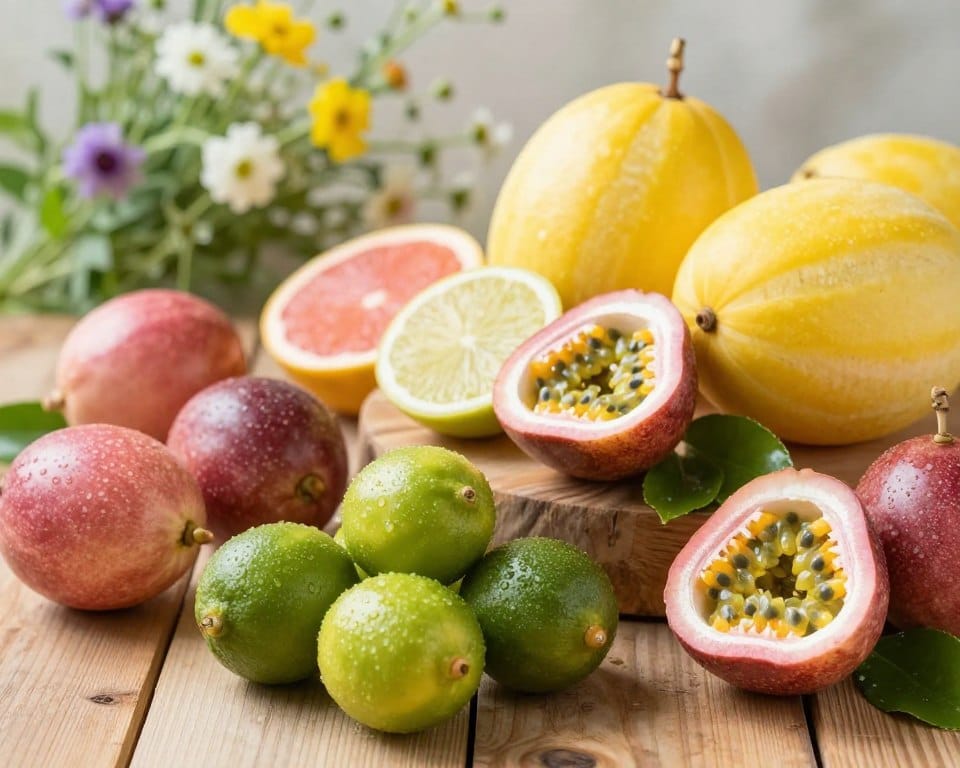
Quick answer: australian spring fruits peak from September through November — think late citrus and early berries that taste bright and fresh.
I’m talking about the fruit that ripens as Australia moves from cool to warm. Harvest timing shifts by state and climate, so you’ll see overlap — citrus lingering from winter while strawberries and blueberries start to shine.
I’ll cover the main picks: strawberries, blueberries, loquats, papaya/pawpaw, limes, citrus carryover, and avocados — and why each matters for flavor and storage. My goal? Help you shop smarter, waste less, and enjoy better taste.
Heads up for U.S. readers: Australia’s spring happens during our fall — flip your mental calendar. I’ll give clear ripeness checks and simple storage tips, plus a quick calendar snapshot and a regional lens for tropical versus temperate areas.
Key Takeaways
- Timing: September–November is the core season.
- Expect citrus carryover with early berries arriving.
- Harvest varies by state—tropical vs temperate matters.
- Simple ripeness checks make better purchases.
- Store by fruit type to reduce waste and boost flavor.
Quick guide to spring produce in Australia for US readers
I’ll map the calendar so U.S. shoppers know what to expect. Think of the southern months—September, October, and November—as the core harvest window. That’s when local produce volume rises and markets fill. 😊
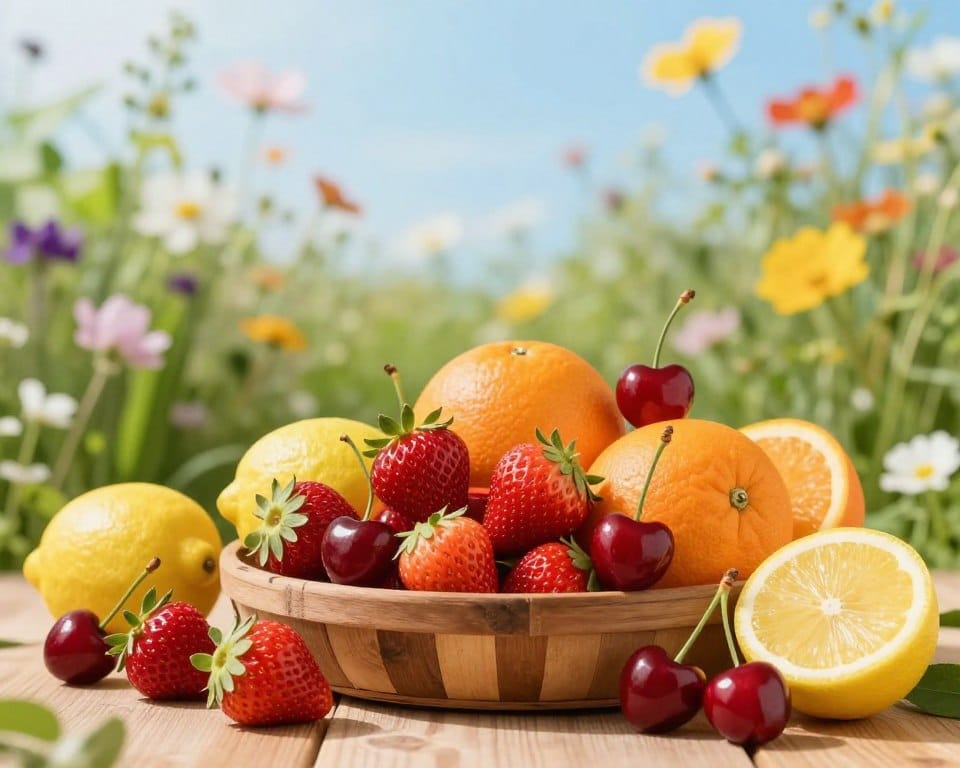
Spring months and what “in season” means across climates
“In season” means growers harvest more locally. That cuts travel time and cold storage. Shorter chains often mean better flavours and freshness.
Australia has many climate zones. The tropical north can supply some fruits vegetables nearly throughout year. Temperate states have sharper shifts. So dates move by region—Queensland often feeds early berries; Victoria and Tasmania peak later.
Why in-season fruit often tastes better and costs less
- Higher local supply usually lowers retail prices.
- Fruit ripens closer to harvest—better aroma and taste.
- Less handling means longer shelf life at home.
For a quick shopping list and tips on which fresh picks to try, see fresh fruits to eat in spring.
Australian spring fruits to buy in season
Let’s walk the market stalls—these are the best picks to seek right now.
Strawberries
What to look for: bright color, clean caps, and a sweet smell.
Use them in yogurt bowls, salads, or quick desserts. Queensland early runs often taste extra sweet.
Blueberries
What to look for: deep blue, firm berries with no leaking juice.
Season often begins in spring in many regions—great for muffins, smoothies, and fresh snacking.
Loquats
Found at local markets or backyard trees. Expect an apricot-meets-citrus texture and juicy flesh.
Use them in jams, salads, or simply sliced with a squeeze of lime.
Papaya / Pawpaw
Mostly from the north—choose fruit that yields slightly to gentle pressure and smells sweet at the stem.
Great diced into salsas, smoothies, or breakfast bowls.
Limes and citrus carryover
- Limes: smooth, heavy fruit = more juice; pick clean skin if you plan to zest.
- Citrus carryover: oranges, mandarins, lemons, and grapefruit still appear as winter ends—use for juice and salads.
Avocados
A spring staple in some regions—check by gentle pressure; ripe avocados give slightly but don’t feel mushy.
Perfect for toast, salads, and dressings.
Other crossover picks
You may also see pineapple, bananas, lychee, mango, and cherries. Availability varies by region and imports—shop by ripeness and plan uses like salsas, fruit salads, or quick desserts.
For a full list and tips, check fresh fruits to eat in spring for more ideas.
Spring fruit calendar and regional availability snapshot
Think of this as your pocket calendar: what to expect in each growing zone from September through November. I’ll keep it short and practical so you can plan market runs, menus, or a weekend road trip.
Seasonality by region: tropical, subtropical, temperate, arid
Tropical: northern Queensland and the Top End produce many items nearly throughout year — papaya/pawpaw, mango, lychee, and pineapple often lead the way. This means steady supply but prices shift with rainfall.
Subtropical: areas near Brisbane and the mid coast see early berries and avocados. Warmer temperature speeds harvest—expect ramping volume into early summer.
Temperate: Sydney, Melbourne, Adelaide, and Tasmania show clearer season changes. Berries and cherries peak later. Citrus lingers from late winter into early spring.
Arid: central and inland zones have tighter windows. Limited rainfall makes volume and price less predictable.
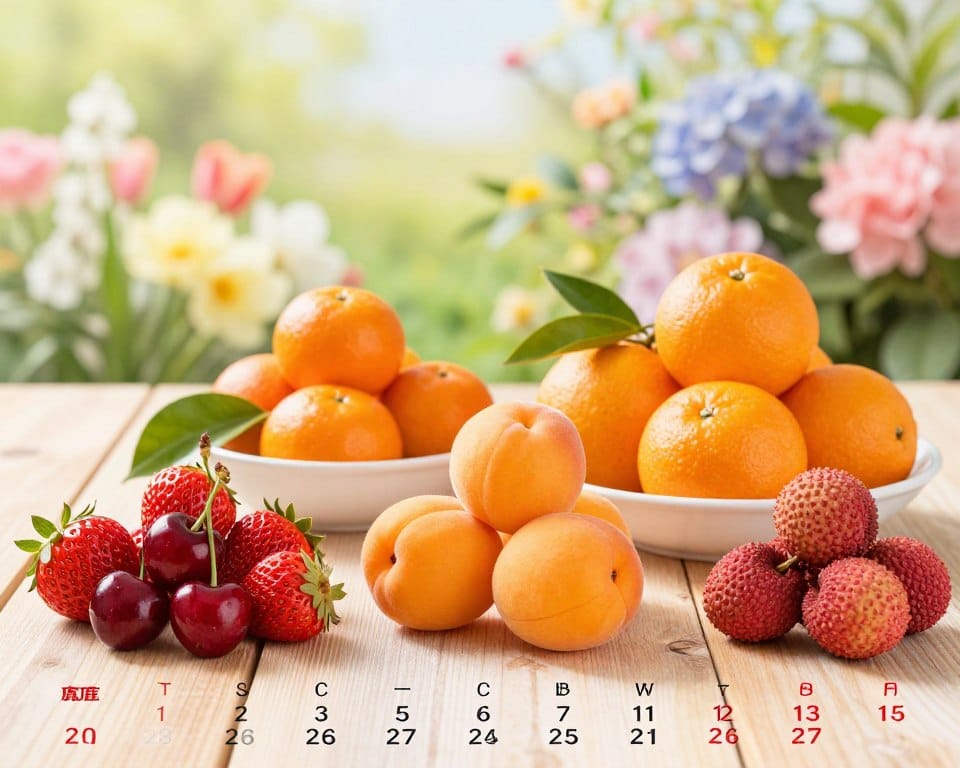
At-a-glance calendar (best bets and overlaps)
| Month | Best bets | Notable overlaps |
|---|---|---|
| September | citrus carryover, early strawberries, papaya | late winter citrus still available |
| October | strawberries, blueberries, avocados, mango starts | berries ramp up; tropical upswing |
| November | blueberries, cherries, mango, lychee | toward summer—more tropical volume |
“Regional temperature and rainfall do the scheduling—think of climate as the market’s clock.”
- Tip: bananas often sell throughout year, but quality and price follow supply swings.
- Look for produce pairs at markets—strawberries near fresh herbs or asparagus for savory-sweet dishes.
Use this quick guide to match what’s local to your trip. Season windows vary by microclimate, so treat the calendar as a practical snapshot—not a promise. 😊
How to pick ripe spring fruit at the store or farmers market
Bring this simple checklist to the market and pick ripe fruit with confidence. I keep it short so you can decide in 30 seconds, even when stalls are busy.
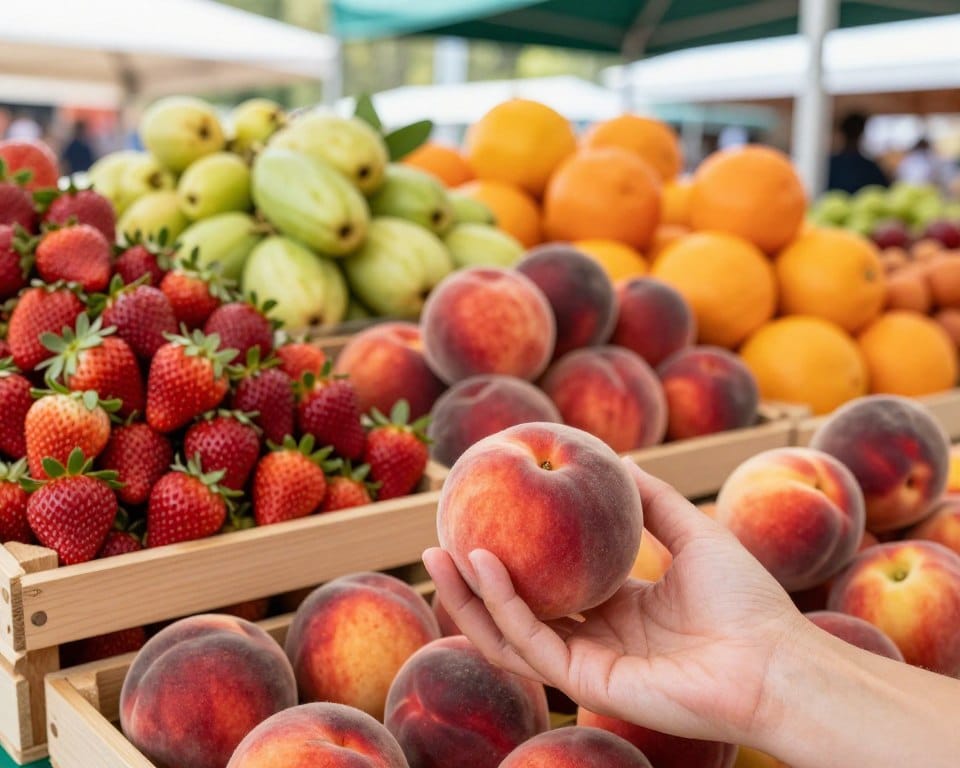
Quick 30-second checklist
- Color: even color on berries; citrus should look bright and feel heavy for its size.
- Firmness: berries stay firm; avocados should give slightly; limes stay firm and dense.
- Aroma: smell the stem end—fruity scent means ripe and ready.
- Pressure: the fruit should yield to gentle pressure where appropriate (press near the stem for avocados; avoid squeezing delicate berries).
Where to avoid trouble
Look for bruises, soft spots, leaking packs, mold, or broken skin. These speed spoilage and cut taste.
One clear definition
“Yields to gentle pressure” means the fruit gives a little when pressed with one finger—not a deep dent. Press the stem end for some items. Don’t press the middle of soft berries.
Handle with care
Keep berries on top in your bag. At home, dry damp fruit and place a piece of paper towel under the container to absorb moisture. This small step improves freshness and extends taste.
“Good selection = better taste and less waste.”
For a quick ripeness guide on specific varieties, see when passion fruits are ripe.
Storage, washing, and food safety for spring fruits
I keep storage simple so produce stays tasty and you waste less. Follow a few clear rules for room temperature versus refrigerator storage, how to wash delicate berries safely, and small prep steps that extend freshness.
Room temperature vs refrigerator storage by fruit type
- Room temperature: Ripen avocados and papaya on the counter. Once they’re soft or cut, move them to the refrigerator to slow ripening.
- Refrigerator: Keep berries cold and dry; store limes and most citrus in the fridge if you want them to last longer. Hardier fruit like apples and pears also prefer chill storage for longer shelf life.
- General rule: If the fruit is still firm and needs to ripen—use room temperature. If it’s ripe and you won’t eat it within a day or two—use the refrigerator.
How to wash fruit safely without ruining delicate berries
Don’t wash berries until you’re ready to eat them. Extra water speeds mold and shortens storage life.
When you do wash: rinse quickly under cold running water. Drain well, then gently pat dry with paper towels before eating or storing a small portion.
For other fruit with thicker skin, rinse under water and dry. Never rely on sprays or special rinses; plain water and good handling are effective.
Smart prep steps that reduce waste
- Store berries in a single layer or in a breathable container to keep airflow and prevent crushing.
- Keep cut fruit sealed and refrigerated; use within 2–3 days for best freshness.
- Use a paper towel under stored fruit to absorb moisture and slow spoilage.
- Wash hands and clean cutting boards and knives before cutting to avoid cross-contamination from skins to flesh.
| Fruit | Counter | Refrigerator | Best use window |
|---|---|---|---|
| Avocado | Ripen (2–5 days) | After ripe or cut (3–5 days) | Ripen on counter, eat within 3–5 days chilled |
| Berries | No — keep dry | Yes, cold & dry (3–7 days) | Rinse just before eating; store chilled |
| Citrus (limes, lemons) | Short-term (1 week) | Yes for longer (2–4 weeks) | Refrigerate to extend life and juice retention |
| Papaya / Pawpaw | Ripen then chill | After cut (2–3 days) | Ripen on counter, refrigerate when ripe or sliced |
“Simple handling and timely refrigeration are the easiest ways to keep produce tasting its best.”
Conclusion
In short: what’s freshest depends on region, but berries, citrus carryover, limes, papaya/pawpaw, and avocados are reliable picks for the spring season.
Do this next: check your local region, shop when markets are full, pick by aroma and firmness, store correctly, and wash just before eating.
U.S. readers — remember the season flips in the southern hemisphere, so timing differs if you travel or buy imports. Pair fruit with protein or yogurt and add vegetables to round out meals for better balance!
Follow market signals—what’s stacked and priced well is usually the best pick. For more ideas, see my fresh fruits to eat in spring guide.
Citations: Food Standards (FSANZ) on safe produce handling; USDA Food Safety basics on washing and storage.
Leave a Reply