
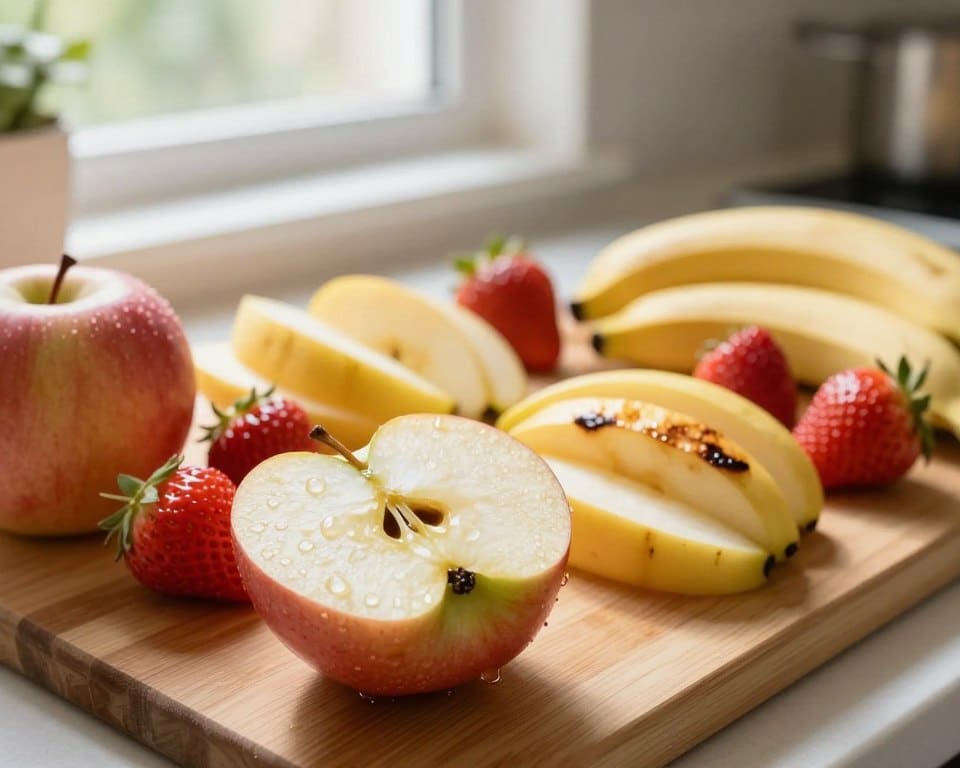
does fruit go bad faster cut — yes. Once the skin is gone, the inside meets air and microbes. That speeds spoilage and softening.
I keep it simple: exposed produce loses texture, color, and flavor faster. You will notice browning, a slimy feel, or off smells when spoilage starts.
The fix is two clear levers: cold and less air. Refrigerate at or below 40°F (4°C) to slow decay — a guideline backed by the FDA and CDC and many university extensions. Use airtight containers or vacuum sealing to limit oxygen; pre-cut labels help but handling matters more. For more on airtight methods, see vacuum sealing fresh fruits.
Whole produce lasts longer at room temps, but once sliced, the fridge becomes your best friend. Small steps save shelf life and cut household waste. 👍
Key Takeaways
- Yes: exposed interiors spoil quicker than whole produce.
- Watch for soft texture, slime, browning, and bad smells as spoilage signs.
- Keep your fridge at 40°F (4°C) or below to slow decay (FDA/CDC guidance).
- Limit air with airtight containers or vacuum sealing to extend crispness.
- Dates on pre-cut items help, but safe handling is most important.
Quick answer: yes—cut produce spoils faster and how to slow it
When you slice into produce, the clock ticks faster on freshness. I say this from experience—exposed flesh spills juices and lets microbes access food. That happens to many fruits and to vegetables alike.
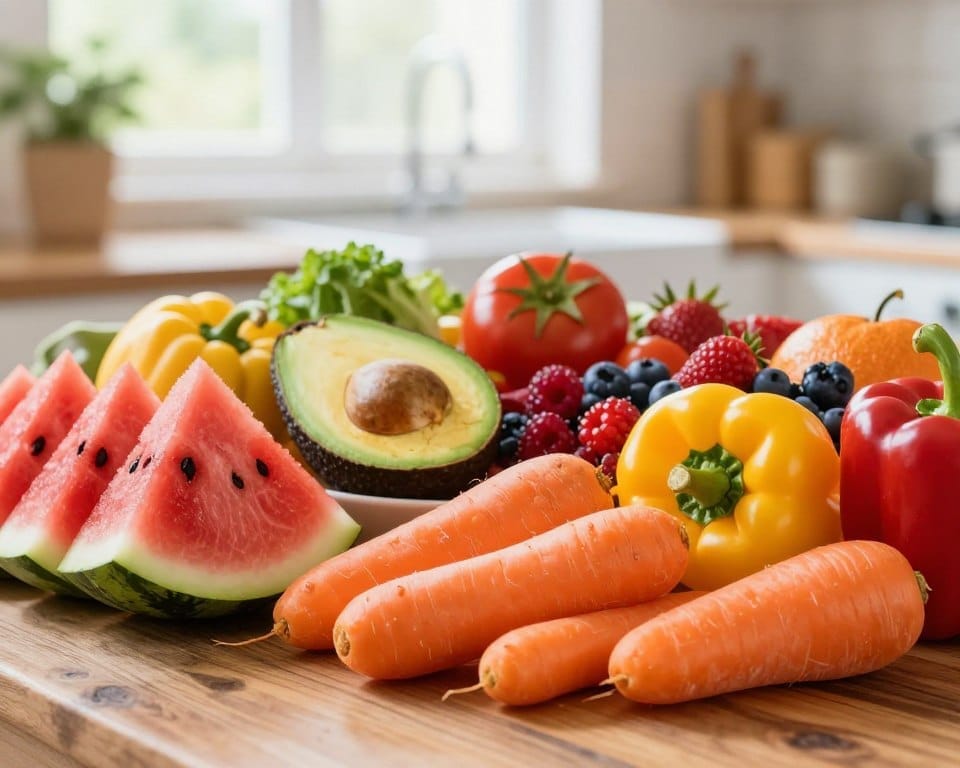
What changes after you slice
Cutting breaks cell walls. Juices and sugars leak out. The wet surface feeds tiny microbes and speeds browning—oxidation is just oxygen meeting flesh and causing color change.
The two biggest fixes: chill fast and limit air
Move pieces to the refrigerator quickly. Keep the temperature at or below 40°F (4°C). Cold slows microbial growth and respiration.
Seal in airtight containers or wrap tight to cut oxygen exposure. Keep items dry; don’t wash until ready to eat to avoid added moisture. My best habit: slice → container → fridge—minimal counter time! 😊
Why cut and peeled produce breaks down faster
Slicing or peeling exposes more living tissue — and that speeds down-the-line changes. I like to think of it as opening doors for microbes and air.
More surface means more microbes
More exposed surface area gives microbes room to grow, especially on wet edges. After washing and packaging, fresh produce can carry about 1,000 to 1,000,000 bacteria per gram (many are harmless spoilage organisms).
Cell damage speeds respiration and texture loss
Cutting breaks cell walls. That releases juices and makes slices lose crispness fast. For example, salad-sized kale leaves can respire roughly twice as fast as intact leaves (Postharvest Technology of Horticultural Crops).
Oxidation and browning
Oxygen hits enzymes in damaged cells and browning shows up on apples, avocados, and mushrooms. Browning alone is not always a safety sign, but it signals that quality and shelf life will shorten.
More handling raises contamination chance
Pre-packaged, pre-cut items see more hands, tools, and surfaces — that ups contamination risk. The fix is simple: colder temperature, less handling, and fast refrigeration time to slow spoilage and keep foods safer.
“Most spots of browning are spoilage, not pathogens — still, treat them as signals to use or chill promptly.”
does fruit go bad faster cut? Use this storage method to extend shelf life
A few simple storage moves will stretch freshness and save your snacks. I use them every week in my U.S. kitchen—fast, low-effort, and reliable. 😊
Chill fast: keep cut produce refrigerated at or below 40°F
Move slices into the fridge at or below 40°F (4°C) as soon as you finish prepping. Cold slows microbes and keeps texture firm. Don’t leave pieces at room temperature for long; warm air speeds spoilage and loses crispness.
Choose the right container
Use airtight containers for general storage, resealable bags to save space, and tight plastic wrap for halves. Each option fits a different need—seal tight to limit oxygen and keep shelf life longer.
Control moisture and paper towel trick
Store produce dry and rinse with water only before eating. Line containers with a paper towel to absorb condensation. This is a simple win for berries and leafy greens.
Prevent browning and label for rotation
Brush a little lemon juice on apples and pears to slow browning—just a light toss, not a soak. Write the prep date on the container and use “first in, first out” to cut waste and enjoy items while they last.
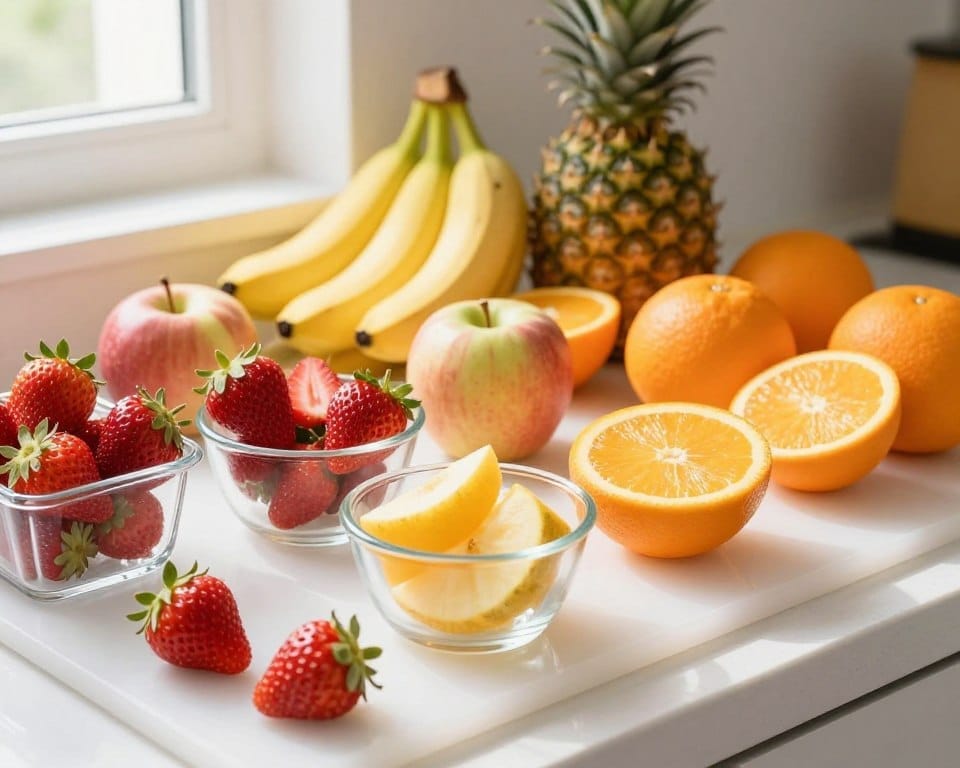
“Cut small, chill fast, seal tight, keep dry — repeat.” — practical kitchen rule
| Storage tool | Best for | How it helps shelf life |
|---|---|---|
| Airtight container | Sliced apples, melon, veggies | Limits air and slows oxidation; keeps fridge humidity stable |
| Resealable bag | Soft berries, greens | Saves space; squeeze out excess air to reduce contact with oxygen |
| Tight plastic wrap | Halved lemons, avocado, small portions | Close fit reduces exposure and keeps moisture in balance |
| Paper towel lining | Berries, leafy greens | Absorbs condensation and prevents sogginess |
Most prepped items taste best within a few days in the fridge. For more on safe timing, see how long cut fruit can sit.
Food safety rules for cut fruit in the U.S.: time, temperature, and date labels
Safe storage is mostly about time, temperature, and a few smart labels. In the U.S., perishable produce should not sit at room temperature for long. The CDC guideline is a good kitchen rule: two hours out, or one hour if the room is hot.
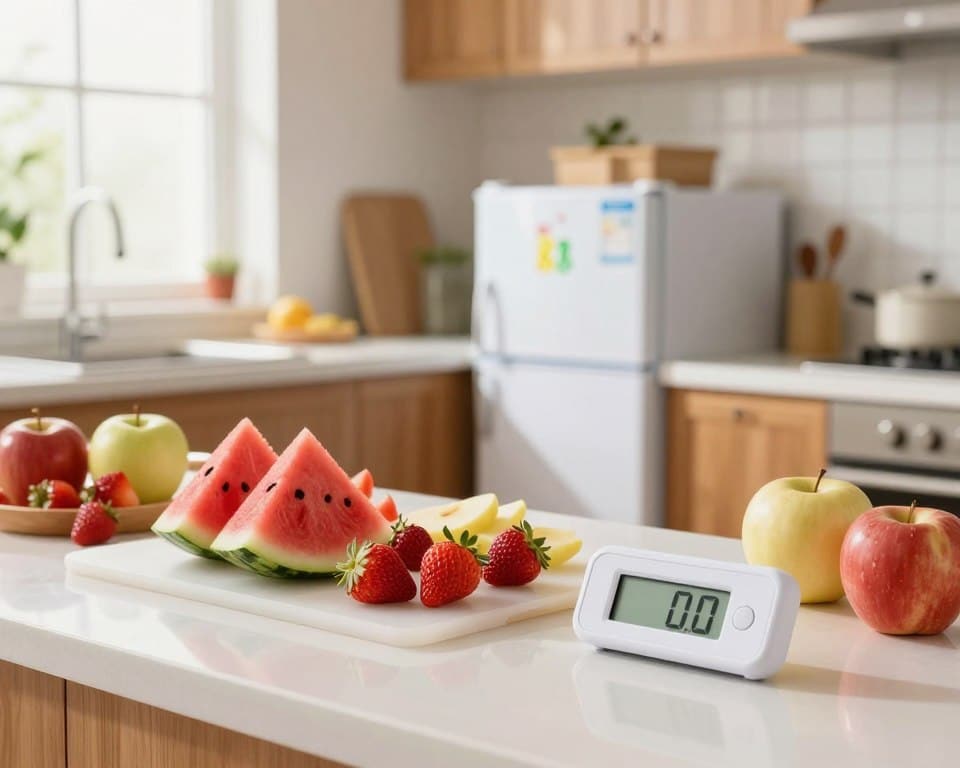
Room risks and low-acid caution
Leaving slices on the counter invites microbial growth. Low-acid items — melons top the list — support pathogens more readily. Keep melons cold, covered, and use them sooner than sturdier fruits and vegetables.
Date labels and the seven-day rule
Labels mean different things. Here’s a quick guide:
| Label | Meaning | Why it matters |
|---|---|---|
| sell by | Store timing | Helps stores rotate products |
| best by | Quality guide | Peak taste, not safety |
| use by | Maker guidance | Follow for best quality and safety |
“Perishable foods should not sit out more than 2 hours (1 hour if above 90°F).” — CDC
The FDA Food Code asks that some ready-to-eat refrigerated foods be used within seven days. That limit helps reduce Listeria risk because that bacteria can grow even in the fridge.
If you don’t know how long an item sat at room temperature or if your refrigerator temp is uncertain — toss it. I prefer safe choices; outbreaks are rare, and simple habits cut risk fast. 😊
Produce-by-produce storage tips for better texture and fewer leftovers
Small storage choices make a big difference in how your snacks feel and taste.
Apples and pears
Do this: toss slices with a little lemon or citrus juice and tuck them into an airtight container. Keep them cold to keep crispness.
Avoid leaving slices at room temperature — that speeds softening and discoloration. Cut close to snack time when possible.
Berries
Skip the early rinse. Moisture fuels mold.
Store on a paper towel in a loose-lid container or vented bag to reduce condensation and prolong shelf life.
Leafy greens and shredded lettuce
Dry leaves well before storing. Line a container with paper towels to soak up water.
Properly handled shredded lettuce and mixed greens can stay good about 10–14 days refrigerated when cold and dry (Postharvest Technology of Horticultural Crops).
Carrots and veggie trays
Keep carrots and prepared veggies sealed and cold to hold crunch. Avoid soaking them — standing water softens texture.
Cut melon
Cover melon tightly and refrigerate immediately. Use melon within a few days and never leave it out at room temperature for long.
Ethylene basics
Keep bananas and apples away from sensitive greens. Ethylene gas speeds ripening and shortens the life of nearby produce.
Quick checklist:
- Seal slices tight, keep things cold.
- Keep moisture low with paper towels or vented bags.
- Separate ethylene producers from delicate greens.
| Item | Best container | Moisture tip | Typical days (fridge) |
|---|---|---|---|
| Apple slices | Airtight container | Light citrus; keep dry | 3–5 days |
| Berries | Vented bag or loose-lid container | Do not wash until ready; paper towel | 2–4 days |
| Cut lettuce / shredded greens | Airtight container with paper towel | Keep dry; chill promptly | 10–14 days |
| Carrots / veggie trays | Sealed container or bag | No standing water; keep cold | 7–10 days |
| Cut melon | Covered airtight | Keep chilled; use quickly | 3–4 days |
Want deeper preserving tips? See top tips for preserving fruits long for more ideas.
Conclusion
Here’s the bottom line in one clear line: sliced produce loses freshness sooner, but simple habits buy you time. I keep my routine fast and predictable — slice, seal, chill.
Three quick actions help most: refrigerate at or below 40°F (4°C), store in airtight containers or bags, and keep items dry by washing only before eating. Limit room-temperature time, especially for low-acid items like melon.
Quick checklist to screenshot:
• 40°F fridge
• Airtight container or bag
• Paper towel for berries/greens
• Lemon juice for apples/pears
• Label and rotate (first in, first out)
These small moves cut waste and make healthy snacks easy all week. For extra preserving ideas, see preserving tips I use at home. 😊
Leave a Reply