
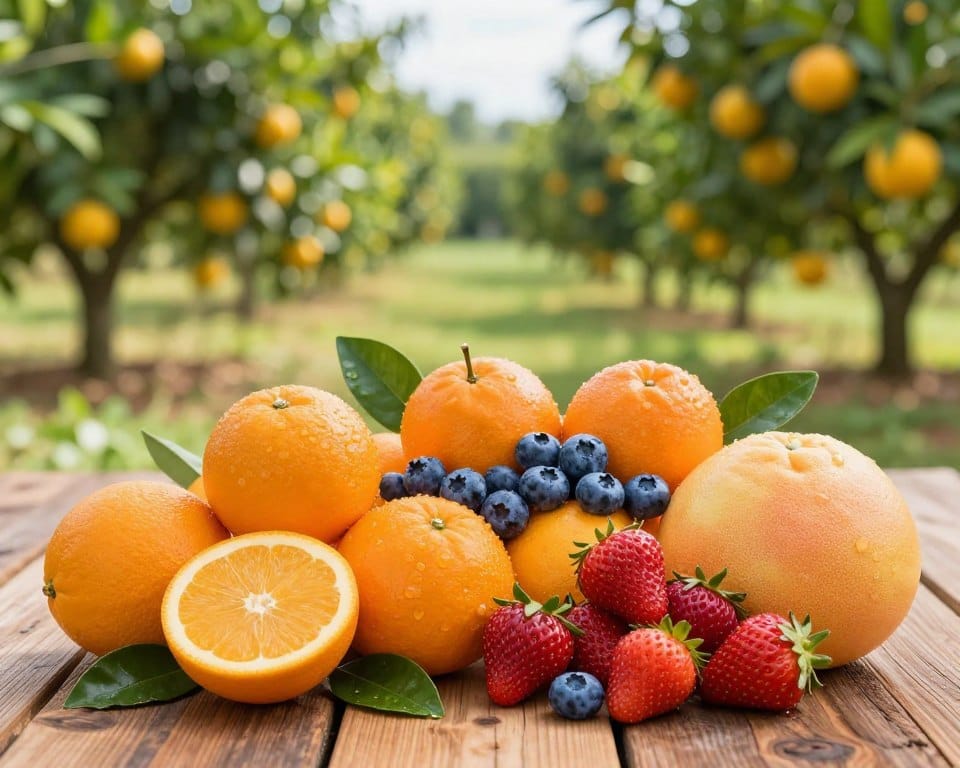
I love scouting local markets to spot what fruit in season january florida brings to the table—bright citrus and early strawberries pop up first. I’ll keep this short and practical so you can shop with ease and cook with less fuss.
I’ll point out what’s easiest to find across north, central, and south regions and why weather shifts matter. Expect a clear must-buy list and simple uses you can rely on for the week.
Why this matters: fresh produce often tastes better and costs less when it travels less—plus it stretches your food budget and boosts flavor. I’ll also flag that some grocery stores carry imports, so availability can vary.
Key Takeaways
- I’ll show the most common local picks available in January.
- Regional weather changes availability—north, central, south differ.
- Expect cost and flavor benefits from buying local.
- You’ll get a short, skimmable table and shopping tips for families.
- This guide focuses on local availability; stores may have imports.
Quick answer: what’s in season in Florida in January
Quick answer — citrus, strawberries, and winter greens top the list, with root vegetables and select tropical picks nearby.
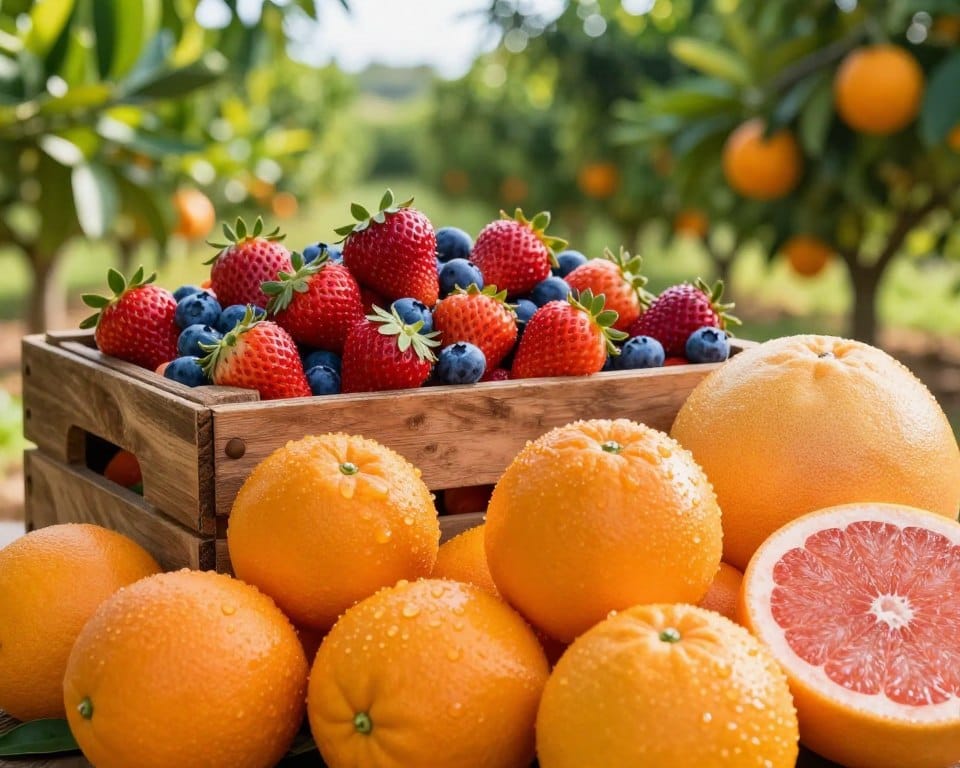
Best bets for quick shopping:
- Oranges (navel, early Valencia), grapefruit, mandarins/tangerines, kumquats
- Strawberries, guava, papaya, pomelos, limes
- Broccoli, cauliflower, cabbage, kale, collards, carrots, leeks, onions, radishes, turnips, potatoes
Buying local produce can cost less and taste better. Less shipping and shorter storage cut handling costs. Harvested closer to ripe also means fuller flavor and firmer texture.
“Seasonality basics are supported by USDA and UF/IFAS guidance on fresh produce timing and handling.”
One quick tip: pick citrus that feels heavy for its size and strawberries that smell fragrant. Fresh picks boost fiber and key nutrients for overall health — no medical claims, just solid pantry wins.
For a deeper list, check this seasonal guide.
fruit in season january florida: the must-buy fruit list
Here’s a compact must-buy list to guide your January shopping—bright, snackable picks that show up at roadside stands and markets.
- Oranges — Navel is widely available; Valencia ramps up this month and is juicier.
- Grapefruit — Look for Indian River labels for a sweet-tart bite.
- Mandarins and tangerines — Sweet, easy to peel; perfect for lunchboxes.
- Kumquats — Tiny and tart; eat the peel. Pasco County leads production.
- Strawberries — Winter staple; pick bright red, fragrant berries with no mushy spots.
- Guava & papaya — Tropical picks, often found at southern markets.
- Pomelos & limes — Less common but great for segments, juice, and zest.
| Fruit | What to look for | Florida note | Typical winter window |
|---|---|---|---|
| Oranges | Heavy, bright skin | Navel now; Valencia starts | Nov–May |
| Grapefruit | Firm, aromatic | Indian River region | Jan–Mar |
| Strawberries | Bright red, fragrant | Winter staple | Dec–Mar |
| Kumquats | Small, glossy | Pasco County grows many | Dec–Feb |
“Pick citrus that feels heavy for its size — it usually means better juice.”
For a fuller list and shopping tips, see this seasonal guide.
Winter vegetables that pair well with January fruit
Pairing citrus or berries with sturdy greens and roots turns snacks into satisfying dinners fast. I’ll show easy combos you can pull together on weeknights—simple chops, quick roasts, and bright tossed salads.
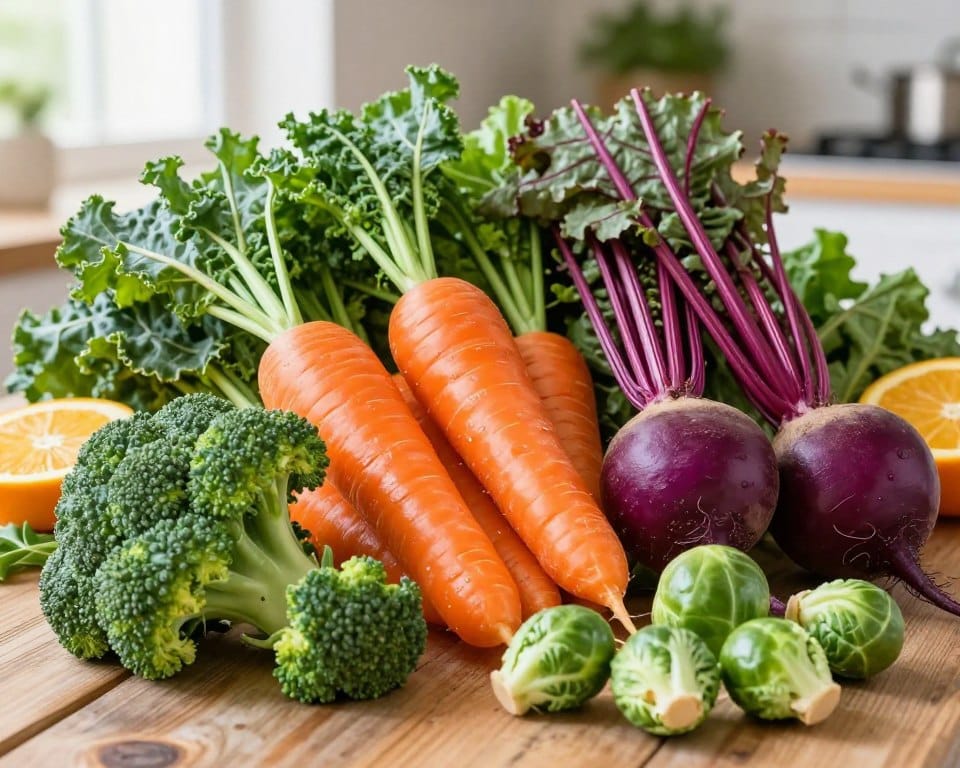
Cruciferous picks
Broccoli, cauliflower, Brussels sprouts, and cabbage roast beautifully with citrus zest. Roasting adds caramel notes that pair well with tart segments.
Roots and alliums
Carrots, onions, radishes, turnips, and potatoes (starting this month) give body to soups and sheet-pan dinners. They build savory depth and stretch fruit into fuller meals.
Cool-season greens & add-ins
Kale, collards, chard, and leeks sauté fast for warm sides. Add cucumbers, tomatoes, and scallions raw to bowls for crunch and contrast.
Quick pairing tips:
- Roast cauliflower + orange zest for bright flavor.
- Kale + strawberries for a hearty salad that still feels fresh.
- Potatoes + onions on a sheet pan with lemon — simple and filling.
- See what’s available this month for full lists and market notes: seasonal guide.
| Vegetable | Best pair | Prep tip | Why it works |
|---|---|---|---|
| Broccoli | Orange segments | Roast until charred | Smoky + bright contrast |
| Cauliflower | Grapefruit or lemon | Roast with zest | Carmelized sweetness + acid |
| Potatoes | Scallions, tomatoes | Sheet-pan with herbs | Fills meals, holds dressing |
Where Floridians can find the freshest January produce
Where you shop determines how fresh your produce arrives—farm stands, grocery chains, or specialty parks each tell a different story.
Farmers markets and local stands: what to ask growers
I stop at markets first for peak flavor and lower transport time. Ask three quick questions: “What was picked this week?” “Which varieties are peaking now?” and “How should I store these?”
Tip: Smaller lots usually mean fresher picks and better prices the week the crop peaks.
Grocery store produce aisle: how seasonality affects price and quality
Supermarkets often rely on long-haul shipping and delayed ripening. That adds cost and can lower nutrient levels before purchase.
Watch for price drops and larger displays—those usually signal local harvests hitting the chains.
South Florida specialty fruit at Fruit & Spice Park
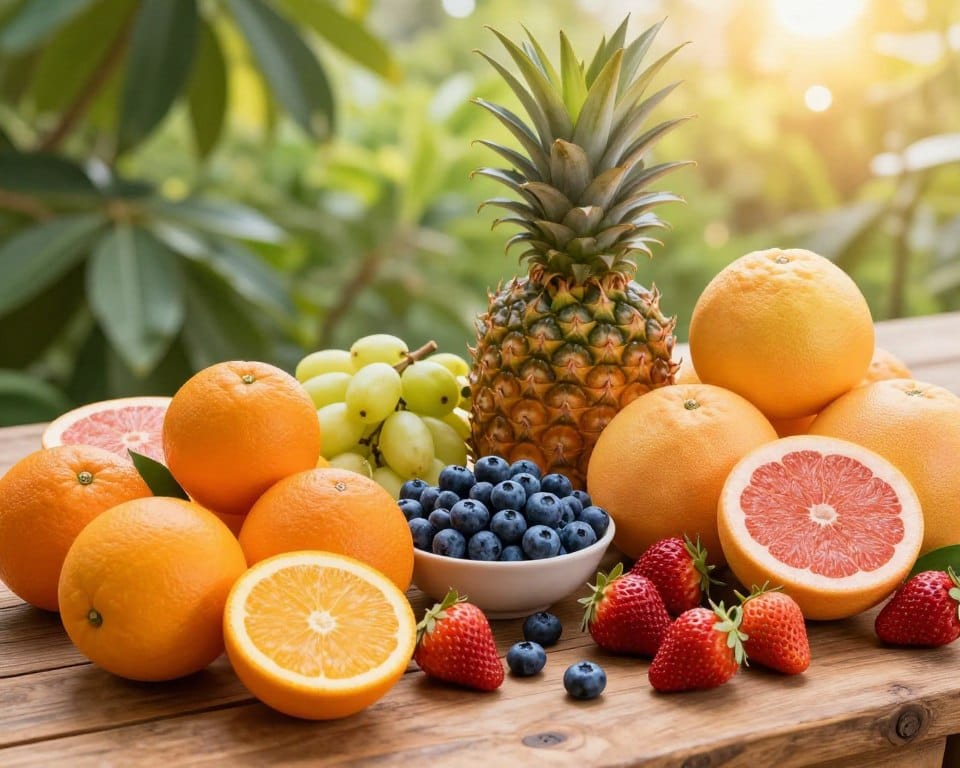
For rare tropical finds, I recommend a visit to Fruit & Spice Park (Miami‑Dade). They list January items grown onsite, like carambola, canistel, sapodilla, mamey sapote, papaya, and citrus.
Call ahead: the park posts current availability; reach them at 305-247-5727 before you drive.
Examples of rare January finds and quick taste notes
| Item | Taste note | Why try it |
|---|---|---|
| Carambola (star fruit) | Lightly tart, crisp | Great sliced on salads |
| Canistel | Sweet, custardy | Use in smoothies or puddings |
| Sapodilla | Brown sugar-like | Snack or blend into desserts |
| Mamey sapote | Rich, pumpkiny | Thick smoothies and baked treats |
Quick trip‑planning notes
South counties often have different availability than northern ones the same month. Weather shifts change harvest timing, so confirm before you go.
“Check USDA, UF/IFAS Extension, or the Park’s page for up-to-date seasonal listings.”
For a regional seasonal list and extra planning tips, see this seasonal list.
How to use January produce: easy ideas for snacks and meals
This month’s harvest turns simple shopping into fast, tasty plates. I keep ideas short so you can cook with what’s fresh and feel good about time spent in the kitchen.
Citrus-forward snacks
Quick snacks (under 5 minutes): peeled mandarins, grapefruit halves, or a citrus cup with a sprinkle of salt.
Make a simple fruit salad: segments + sliced strawberries + a pinch of salt — toss and serve.
Winter salads that fill
Try three reliable bowls: kale + strawberries, mixed greens + citrus, or grapefruit + avocado.
Dress with a squeeze of lemon or orange, 1 tbsp olive oil, and a dab of honey if you like.
Warm dishes and roasts
Roast cauliflower, broccoli, and potatoes with olive oil, salt, and lemon zest at the end.
Short roast time, big payoff — charred bits add depth and bright citrus lifts the plate.
Stews, sheet‑pan meals, and quick pots
Build stews with cabbage, carrots, onions, and sweet potatoes. Simmer until tender, then stir in citrus zest to brighten.
Sheet‑pan versions toss the same veg with herbs and roast for an easy one‑pan dish.
Flavor pairings that work
- Orange-like notes pair with fennel or anisey herbs.
- Lime (or lemon) goes nicely with cilantro and bright chiles.
- Strawberries match peppery greens for contrast.
Eggplant note: roast cubes, finish with lime and herbs for a smoky, tangy side.
Practical health note: adding more fresh fruits and veg helps you reach fiber and nutrient goals over time.
“Simple swaps—roast, toss, or squeeze—make seasonal produce sing with very little fuss.”
| Quick idea | Prep time | Best match |
|---|---|---|
| Citrus cup | 2–3 min | Mandarins or grapefruit |
| Kale + strawberry salad | 5–8 min | Light dressing, toasted nuts |
| Roasted crucifers | 20–30 min | Cauliflower, broccoli, lemon zest |
| One‑pan stew | 30–40 min | Cabbage, carrots, sweet potato |
Conclusion
Shop smart this month: I focus on citrus—especially oranges and grapefruit—and winter strawberries as top winners. These fruits shine for flavor and value.
Pair those picks with hearty vegetables to build fuller meals fast. Roasts, salads, and one‑pan dinners take little time and stretch a simple haul.
Tip: use the quick list and table above when you plan weekly shopping. Check local markets first, then compare grocery pricing the same week.
Weather and regional shifts can move timing, and places like Fruit & Spice Park update availability—so expect changes year after year. Simple habit: buy what’s local and ripe for the best results.
Leave a Reply