
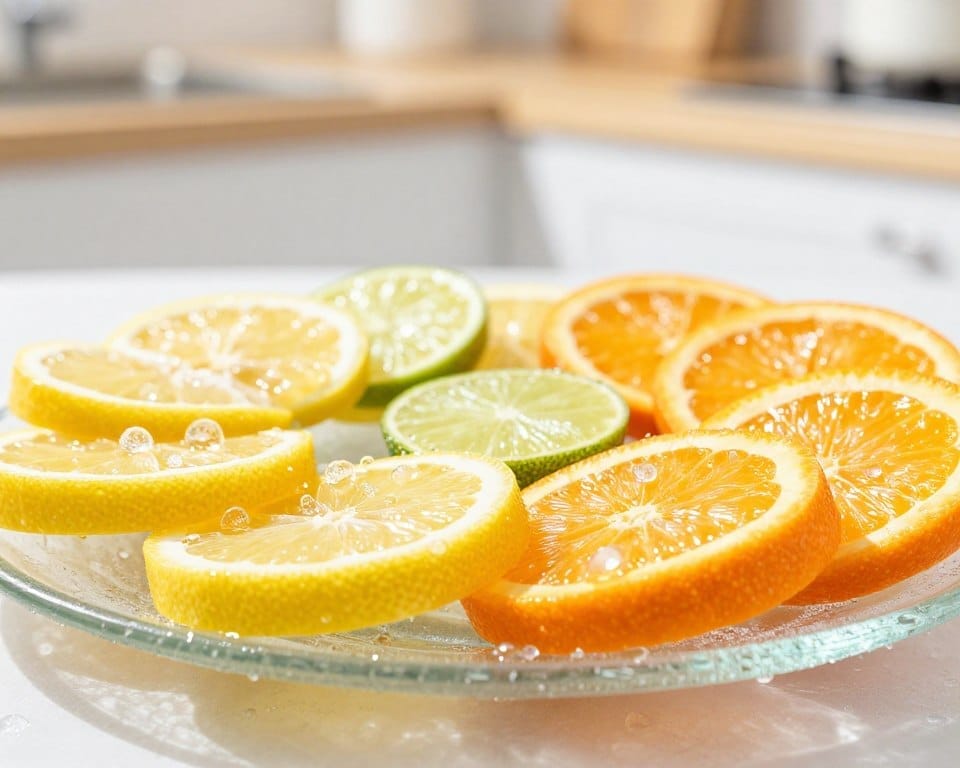
Can you freeze citrus segments? Yes—segments freeze well if you flash-freeze them on a tray and pack them airtight.
I’ll keep this simple. Flash-freezing stops pieces from clumping and keeps flavor fresher.
I use peeled, membrane-free pieces—true segments, not wedges with peel. I lay them in a single layer, freeze until solid, then move them to sealed, freezer-safe bags.
Big quality rule: less air in the bag means less freezer burn and better texture. Set the freezer at 0°F for the safest storage and the best long-term result.
Frozen segments work great in smoothies, baked goods, and cooked dishes. Expect softer texture after thawing, but flavor holds up if packed right.
Key Takeaways
- Flash-freeze single-layer pieces to prevent clumping.
- Use airtight, freezer-safe packaging to protect flavor.
- Store at 0°F for safe, long-lasting results.
- Expect softer texture after thawing; flavor stays strong.
- Define segments as peeled, membrane-free pieces for best outcomes.
Quick answer: Yes, citrus segments freeze well when flash-frozen and sealed airtight
A fast freeze plus airtight packing preserves taste and makes later use much easier. Flash-freezing locks aroma and helps portions stay separate. That keeps texture tidy for smoothies and baking.
What freezing does to texture, juice, and flavor
Freezing halts bacterial growth but breaks cell walls. Thawed pieces feel softer and will release more juice.
The good news: most flavor stays bright. The tradeoff is mouthfeel—not a safety issue, but a quality shift.
When the freezer beats the fridge crisper drawer
Use the freezer when a big bag won’t be used in 1–2 weeks or when the crisper drawer becomes a forgotten zone.
Typical fridge windows: oranges hold quality about 2–3 weeks; whole lemons stay juicy up to 21 days when bagged.
Food-safety baseline (USDA FSIS)
- Keep the freezer at 0°F (−18°C) to stop microbial growth.
- Frozen fruit is safe longer than it stays tasty—inspect and trust your senses.
- Thaw in the fridge when possible for best safety and texture.
Quality vs. safety: freezer burn affects life and texture, not usually safety. If fruit smells off or looks odd, discard it.
Choose, clean, and prep citrus for the freezer
Pick fruit that already tastes good—start with ripe, heavy oranges and firm lemons. Oranges are non-climacteric, so they won’t sweeten after picking. That means begin with fruit that already pleases your palate.
I look for pieces that feel heavy for size, have tight skin, and show no cuts or bruises. If I won’t use extra lemons or oranges soon, I freeze them early to lock in quality.
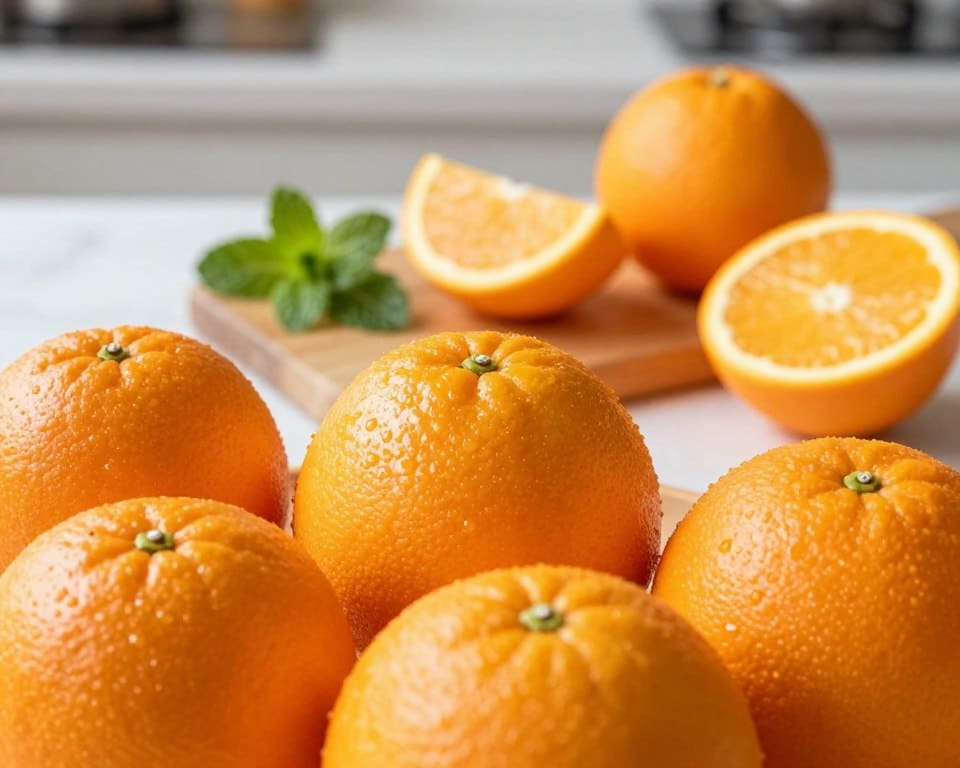
Wash each fruit in hot, soapy water, rinse, then dry fully. Drying prevents trapped surface water from turning into ice crystals in the bag.
I peel carefully and trim away thick white pith—it’s bitter in smoothies and many baked recipes. Use a sharp paring knife or a citrus peeler for clean work.
- Tools: paring knife, cutting board with juice groove, citrus peeler.
- Extras: paper towels, parchment, rimmed sheet pan for flash steps.
- Tip: keep prepped pieces covered if you pause, so they don’t dry out before you store them.
can you freeze citrus segments without them sticking together?
A quick tray trick stops sticky clumps and makes portions ready to use. I like a short, clear process—segment cleanly, flash on a lined sheet, then pack once hard. That way pieces stay separate and are ready use straight from the bag. 😊
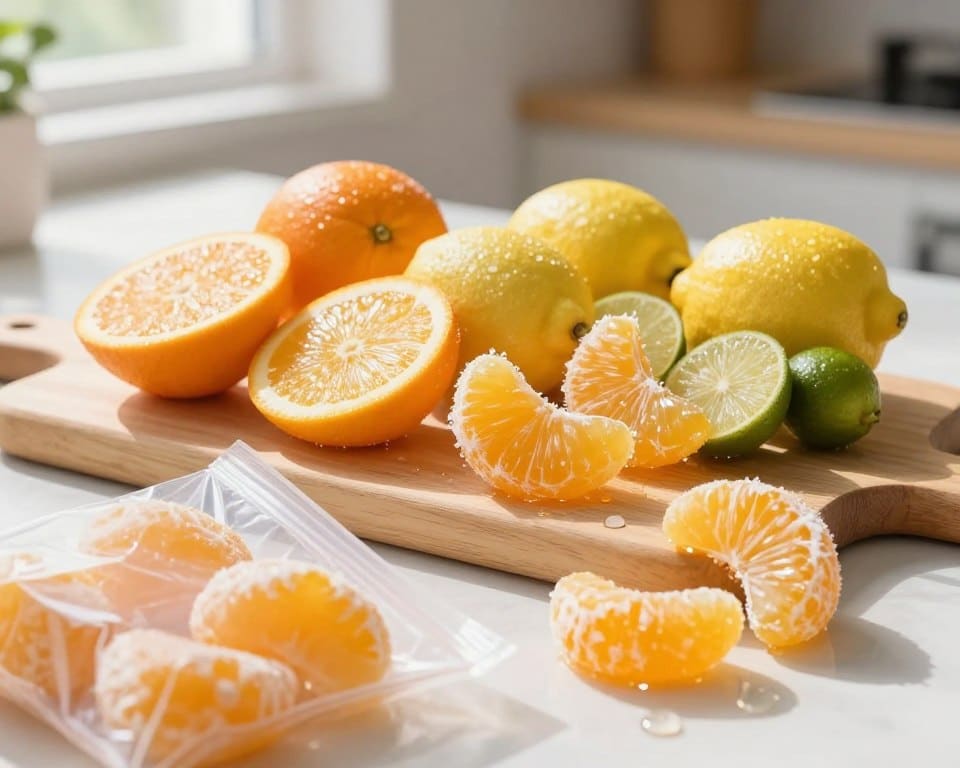
Segment cleanly for even freezing and easy portioning
Peel, trim white pith, and split into true pieces. Chop larger segments into eighths if you want faster freezing and smaller portions.
Flash-freeze on a parchment-lined tray in a single layer
Line a rimmed tray or sheet with parchment or a silicone mat. Spread pieces in a single layer so cold air touches every side. No crowding—this is the key to no-stick success.
How long to freeze on the sheet before packaging
Freeze until solid all the way through. Small pieces take about 1 hour; larger, extra-juicy pieces need 2–3 hours. Check by nudging one—if it feels hard, it’s ready.
Transfer to a freezer bag or airtight container and remove as much air as possible
- Move frozen pieces quickly into a freezer bag or container to keep them separate.
- Press out air by hand or use a straw to suck air from a nearly sealed bag.
- Label with date and portion size so they’re ready use without guesswork.
Vacuum sealing vs. standard freezer bags for preventing freezer burn
| Method | Air removal | Freezer life | Best for |
|---|---|---|---|
| Vacuum sealing | Excellent — removes most air | Longest (6–12 months quality) | Bulk storage and long-term freeze citrus |
| Sturdy freezer bag | Good — press out as much air as possible | Good (3–6 months quality) | Everyday use and quick access |
| Airtight container | Moderate — limited compression | Moderate (3–6 months) | Stackable trays and organized shelves |
Portion tip: Freeze in recipe-sized batches so you never thaw more than needed. That saves texture and flavor.
Other effective ways to freeze citrus: whole, slices, juice, and zest
Different cooks need different results; I’ll show four practical ways to lock in flavor and aroma. Pick the format that matches how the fruit will be used in meals.
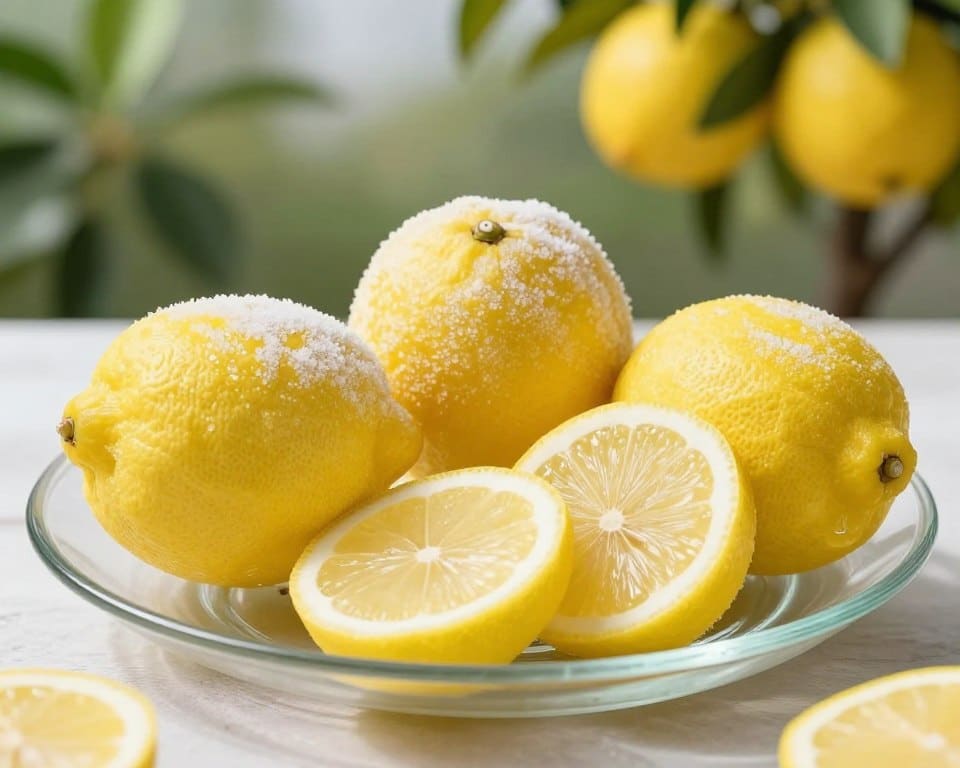
Whole fruit for zesting and juicing later
Pros: Simple prep—wash, dry, bag, remove air, and store for months. Whole fruit is perfect when the goal is juice or zest.
Cons: Texture softens after thawing, so whole fruit is best for cooking and drinks, not fresh eating.
Slices for drinks and sheet-pan recipes
Cut even slices, chill on a lined sheet until solid, then pack airtight. Frozen slices work great in water, tea, mocktails, or tucked under sheet-pan chicken for bright flavor.
Juice cubes for measured portions
Measure juice into an ice cube mold—common sizes are 1 Tbsp or 2 Tbsp. Freeze, then transfer cubes to a bag and label the size and date.
Zest packets for aroma
Scrape zest, freeze in small packets, and use for baking, dressings, and marinades. If texture isn’t needed, zest keeps aroma beautifully.
Decision rule: need texture? pick segments. Need flavor or aroma? choose juice or zest. For whole-fruit handling tips, see whole-fruit freezing tips.
Storage times, labeling, and quality control in the freezer
A little labeling and placement go a long way toward tasty results. Good habits stretch flavor, save money, and cut waste. Below I map realistic timelines and simple rules for home storage at 0°F.
How long frozen fruit keeps quality
| Format | Best-quality time | Safe time |
|---|---|---|
| Whole lemons | ~4 months | 6–12 months (quality declines) |
| Oranges (segments) | 4–6 months | 6–12 months |
| Mixed citrus bags | 3–5 months (may pick up odors) | 6–12 months |
Labeling best practices
Label clearly: write the type, cut (segments/slices/juice cubes), quantity, and date. Add portion notes such as “1 Tbsp cubes” for ready use. Unlabeled bags become unidentified frozen objects and often get tossed—so label to save food and cash.
Where to store so food gets used
Keep recently packed items front and center so they get used first. I store daily-use bags on a middle shelf or door bin if temp is steady. Bulk or long-term packs go toward the back or top shelf.
Quality checks and freezer-burn signs
Watch for excess frost, pale dry spots, leathery edges, or off odors after thawing. That signals dehydration and lower quality. If that happens, repurpose pieces for juice, marinades, or baking instead of eating fresh.
Quick tip: if a bag has lots of air, repack into a smaller bag or container to extend quality. Vacuum sealing will push best quality toward the longer end of the months listed above.
Thawing citrus segments safely and using them in recipes
Thawing right keeps bright flavor and saves texture—pick the method that fits your time.
Fast microwave thaw for quick meals
Use the microwave on defrost in short bursts. Stop after 15–20 seconds for a whole lemon and check. Stir or shift pieces and repeat briefly if needed.
Tip: leave pieces a bit icy so they don’t taste cooked or bitter.
Cold-water thaw in a sealed bag
Seal pieces in a freezer bag and submerge in cold water. Swap water if it warms. This speeds prep and keeps juice inside the bag.
Overnight fridge thaw for the best texture
Plan ahead and thaw in the fridge for 10–12 hours. This method preserves texture and keeps most juice intact—ideal when fresh mouthfeel matters.
Best uses by texture
- Smoothies and baking: forgiving—thawed pieces and extra juice boost recipes.
- Salads and fresh plates: use chilled or slightly icy pieces for snap.
- Savory dishes and marinades: thawed juice lifts sauces and sheet-pan dinners.
Mess-control tip: thaw in a shallow dish to catch juice, then use that liquid in the recipe so no flavor goes to waste. For storage guidance and timing, see frozen fruit shelf life.
Conclusion
A small, steady method gives the best frozen fruit every time.
Yes — I confirm that you can freeze segments, and a quick tray flash-freeze keeps pieces separate and easy to use.
Best workflow: pick ripe oranges or lemons, trim pith, arrange in a single layer, hard-freeze, then pack airtight with minimal air. Label and date each bag.
Heads-up: thawed texture will be softer, but bright flavor and useful juice stay strong for smoothies, baking, and cooked dishes.
Quality plan: use within about 4–6 months for top taste; store at 0°F for safety. Choose the format that fits the recipe—segments for portions, slices for drinks, juice cubes for measured use, and zest for aroma.
Leave a Reply