
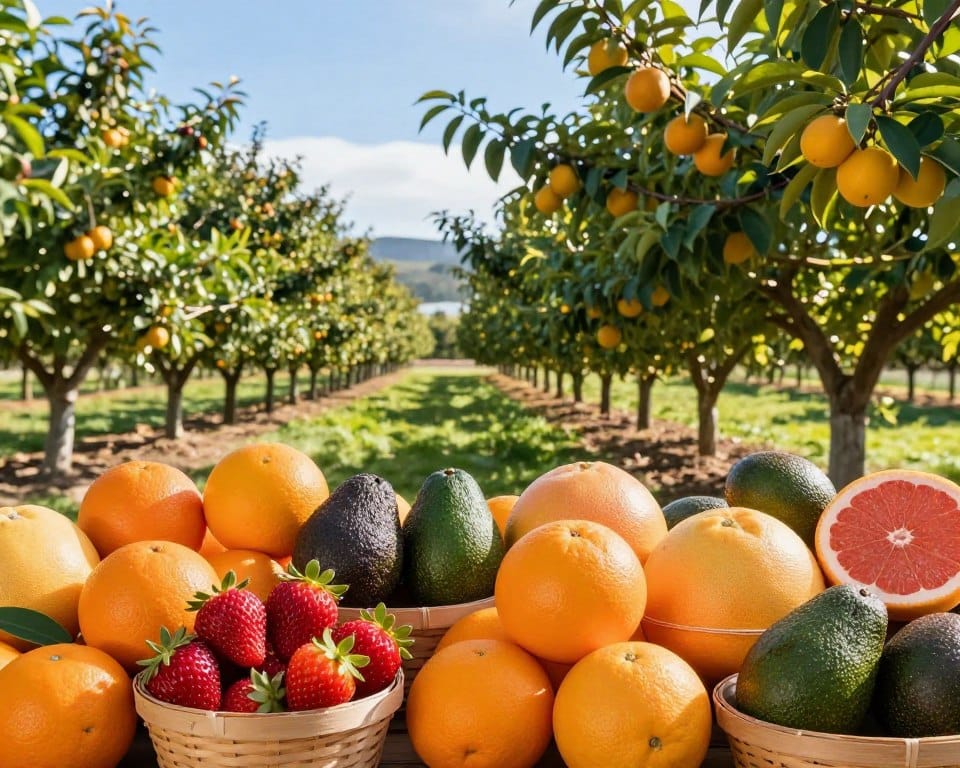
Quick answer: If you’re looking for the best picks this month, citrus and avocados top the list—bright, juicy citrus and creamy avocados make them worth buying now.
I shop local and I notice markets can look sparse early in spring. Weather swings—from heavy rain to warm days—shape what sellers bring. That means fewer varieties some weeks, but strong citrus runs and early avocado batches still show up.
Think of this as a short shopping guide. I’ll name top produce to grab, note simple pairings with veggies, and give a fast cart list so you can shop in minutes.
Quick takeaway: Expect steady citrus and select avocados this month; plan meals around those and add strawberries or kiwi when you see them.
Key Takeaways
- Grab citrus and avocados first—they’re fresh and flavorful.
- Markets may seem light; weather affects variety.
- Keep meals simple: citrus for brightness, avocado for texture.
- I’ll include a short cart list later for quick grocery trips.
- This guide helps when you’re looking to shop local and seasonal fruits.
Quick answer: the best March fruit to buy in California
If you shop farmers markets this time of year, prioritize heavy, fragrant citrus and ripe avocados. Quick takeaway: buy citrus for brightness and avocados for creamy texture.
Here are the top picks you’ll reliably see at local stalls—real items for your cart, not a wishlist.
- Citrus staples: oranges, mandarins, lemons, and grapefruit—grab the heavy, fragrant ones.
- Just starting: local avocados that ripen evenly and show better flavor than winter imports.
- Also watch for: kumquats, tangerines, and early berries in warmer pockets.
“Buy the heaviest citrus for juicier segments; pick avocados with a slight give and uniform color.”
Small screenshot list: oranges, mandarins, lemons, grapefruit, one or two avocados. Availability shifts by region and week, so use this as a flexible shopping rule of thumb.
What “in season” means in California in March
You might see fewer varieties early in the month, and that’s a clue about growing cycles and weather. I like to think of “in season” as these three shopper benefits: peak taste, better value, and shorter travel time.
Why markets look sparse yet still seasonal
Cool nights and late storms slow blossoms and harvests. That pauses variety even when some crops are at their best.
Quick note: tight windows mean farmers bring what’s ready—often citrus and early avocados—rather than a full roster.
How microclimates shift timing across the state
Southern coast plots warm sooner. The Bay Area stays cooler longer. That simple shift can change a crop’s arrival by weeks.
- SoCal: earlier ripening and longer running harvests.
- Bay Area: later starts, but crisp quality when items arrive.
- Use regional timing to judge freshness, not just store labels.
Checklist to judge seasonal quality: heavy weight, bright aroma, slight give on soft items, and firm leaves on greens. For a compact reference, see my quick shopping guide.
fruit in season march california: the short list for your cart
I keep a short, reliable list for quick grocery runs. Focus on heavy citrus, a couple specialty picks, and one creamy item to round meals out.
Citrus family highlights
- Navel: bright and snacking-ready.
- Cara Cara: sweeter, great for salads or snacks.
- Blood oranges: bold color and tart-sweet flavor for desserts.
Mandarins, tangerines, lemons, and more
- Mandarins and tangerines still show up at markets—easy peelers for quick snacks.
- Lemons and Meyer lemons are everyday workhorses—dressings, marinades, roasted veg.
- Grapefruit, kumquats, and pomelos offer peak flavor—use them for broils and salads.
Other picks to watch
- Avocados start tasting better now—perfect for toast or tacos.
- Kiwi and strawberries may appear—check for firmness and aroma.
| Item | What to look for | Best use this week |
|---|---|---|
| Oranges (navel/Cara Cara) | heavy, fragrant | salad / snack |
| Grapefruit / pomelo | firm, weighty | broil / breakfast |
| Lemons / Meyer | bright peel, firm | dressing / roast |
| Avocados | slight give, even color | toast / guac |
Citrus in March: oranges, mandarins, lemons, and more
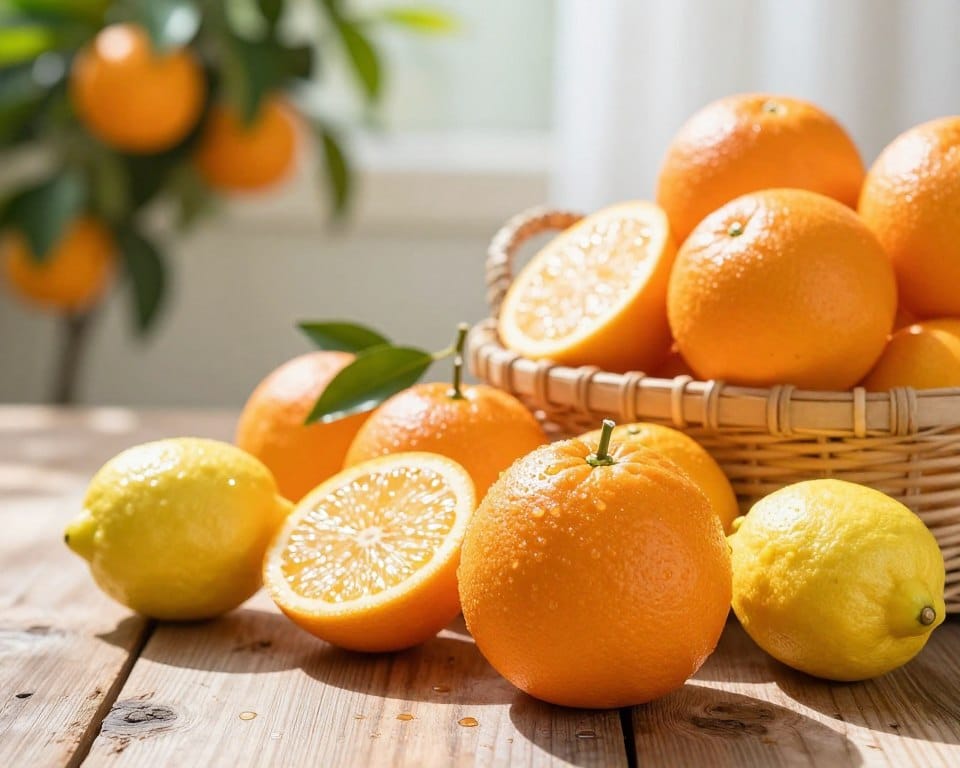
Right now, citrus steals the show: blood oranges, Cara Cara, and kumquats are hitting peak flavor. Cool-season weather keeps juice bright and peel scents strong—so these picks taste better and cost less per bite.
What to look for at the market
- Heavy for size: a dense orange or pomelo means more juice.
- Fragrant skin: scent predicts flavor—snap a sniff.
- Even color and firm peel: avoid soft spots or shriveling.
- Key varieties to seek: blood oranges, Cara Cara, kumquats, pomelos, navels, and lemons.
Flavor notes and best uses
Blood oranges offer sweet-tart, berry-like notes—great in salads or desserts. Cara Cara gives a candy-sweet core that brightens yogurt and baked goods. Kumquats bring peel sweetness with tart flesh—try them in marmalade.
Buying and storage tips
Buy: pick heavy, fragrant pieces at the store or market. Short term? Keep citrus on the counter for a few days.
Store: refrigerate whole fruit to extend life. Wrap cut citrus tightly—this prevents drying and keeps juice fresh.
| Citrus type | Flavor | Best quick use |
|---|---|---|
| Blood orange | sweet-tart, floral | salad / dessert |
| Cara Cara | mellow, candy-like | yogurt / recipes |
| Kumquat | peel-sweet, tangy flesh | marmalade / vinaigrette |
| Pomelo / grapefruit | bitter-tart, juicy | broil / salad |
Mandarins and tangerines: easy snacks that are still around
Mandarins and tangerines keep popping up at weekend stalls and grocery bins this month—easy to grab and kid-approved.
Where they show up on produce runs
I find them at farmers markets, co-ops, and regular grocery stores. They often appear in a citrus mix at Bay Area markets.
Best ways to use them beyond snacking
Buying tip: pick pieces that feel heavy and have tight, glossy skin for best flavor. That means more juice and sweeter bites.
Segment mandarins into salads, toss tangerine slices into grain bowls, or whisk their juice into quick dressings for savory recipes. Add a few orange segments to leafy greens for brightness.
Kid-friendly idea: mix peeled segments with plain yogurt and a little zest—real food that feels fun. For meal prep, peel a few ahead and store airtight to keep them juicy for lunchboxes.
“Keep a small bag in the fridge for easy snacks and fast recipe boosts.”
For a fast shopping refresher, see my quick shopping guide.
Grapefruit and pomelo: March’s bold, bittersweet fruit
Grapefruit and pomelo bring a punchy, bittersweet note that lifts simple weeknight plates. I love them for texture—firm flesh and strong aroma make a real difference.
How to pick heavy, juicy pieces
Choose heavy for size—that means more juice. Look for smooth peel and a fresh citrus smell. At the farmers market or store, skip wrinkled skins and soft spots.
Quick serving ideas and a tiny how-to
Segment for a bright salad, broil halves with a sprinkle of sugar, or toss segments with avocado and a drizzle of olive oil. To curb bitterness, add a touch of honey or a fatty element.
- Cut top and bottom, score around the skin.
- Peel away and trim pith.
- Slice between membranes to free neat segments.
| Item | Pick cues | Best quick use |
|---|---|---|
| Grapefruit | heavy, fragrant | salad / broil |
| Pomelo | firm, smooth peel | segment / chop for salads |
| Mixed citrus | weighty, bright smell | simple recipes / snacks |
Kumquats and specialty citrus: small fruit, big payoff
Tiny citrus pods can pack a surprising punch—especially when you know how to use them. Kumquats stand out because you eat the peel; that contrast of sweet skin and tart flesh gives a neat sweet-bitter flavor hit.
I eat them whole, peel on. I roll one between my fingers to soften the zest and calm excess bitterness. That simple trick makes them snack-ready and less sharp on the palate.
How I tame the bite and keep it bright
- Roll first: gentle pressure softens the peel and spreads oils.
- Slice thin: add to a salad or yogurt for instant lift.
- Pair bold: fennel, greens, chicken, fish, or plain yogurt balance the tart notes.
Fast ideas: marmalade, chutney, and vinaigrette
Three quick recipes I use all month: a tiny-batch marmalade, a chutney for cheese boards, and a citrus vinaigrette that brightens roasted veg or greens.
Vinaigrette ratio (easy to remember): 1 part vinegar or citrus juice to 3 parts olive oil, pinch salt, whisk. Toss with greens or drizzle over grilled fish.
| Use | Why it works | Quick tip |
|---|---|---|
| Marmalade | Concentrates peel sweetness and tang | Cook down with little sugar, jar same day |
| Chutney | Great with cheeses and roasted meat | Add raisins and a splash of vinegar |
| Vinaigrette | Lifts salads and grilled produce | Use 1:3 juice to oil ratio |
| Snack | Peel-on convenience, bright punch | Roll before eating to mellow bitterness |
“Small citrus like kumquats offer big returns—tiny jars of marmalade or a quick vinaigrette go a long way.”
Avocados in March: when California fruit starts to shine
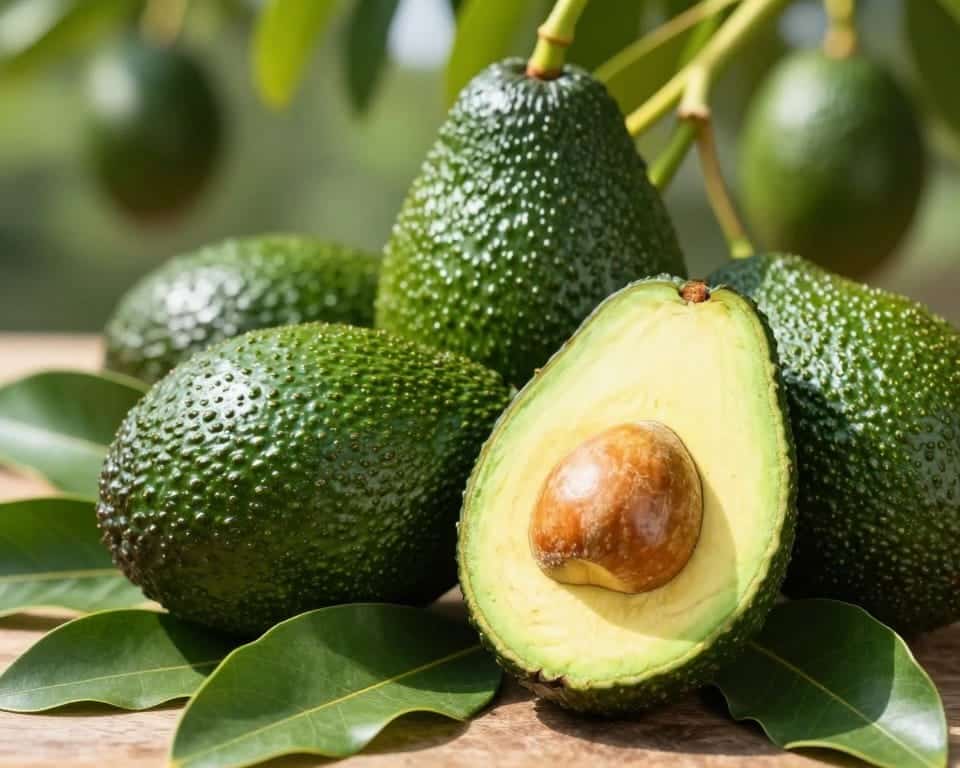
This time of year I notice avocados show better texture—creamy but not watery—when picked closer to home. Local harvests often arrive with fewer bruises and a fuller flavor than many winter imports.
Why March can beat winter avocados for texture and flavor
Short answer: shorter travel time and gentler handling mean firmer flesh and deeper taste. Winter fruit may sit longer in storage and lose creaminess.
Ripening guide: counter vs. fridge
Check the stem end for firmness and a slight give when gently pressed. Color shifts are variety-dependent—use feel more than hue.
- Ripen on the counter until it yields slightly to gentle pressure.
- Once ripe, chill to hold for a few extra days—this slows softening.
- If you cut one, press lemon or lime on the exposed flesh and cover tightly; keep cold for safety.
Easy meals: tacos, toast, salads, and simple guacamole
I keep meals simple. Mash one ripe avocado with salt, lime, and a splash of olive oil for quick recipes. Use slices on toast or tuck segments into tacos for instant texture.
- Tacos: sliced avocado, chopped onion, cilantro, lime—done.
- Toast: mashed with pepper and a drizzle of olive oil.
- Salad: toss chunks with greens, citrus segments, and a light vinaigrette.
“Ripen on the counter, chill when ready, and use citrus on cut flesh to slow browning.”
| Tip | What to check | Quick use |
|---|---|---|
| Firmness | Slight give at stem | Toast / tacos |
| Color | Varies by variety | Ripen by feel |
| Storage | Chill ripe to hold | Hold for a few days |
Strawberries and kiwi: what you may still find in March
You can still spot tender berries and fuzzy kiwis at some stands if you know where to look. I check crates for scent and texture—those cues beat color alone.
How to choose strawberries with better flavor
Look for fragrance—a sweet scent says more than red skin. Check that caps are bright green and attached. Avoid wet or soft berries; moisture speeds rot.
- Smell each box before you buy.
- Pick firm, glossy pieces with intact caps.
- Remove any bruised ones from the pack to protect the rest.
Kiwi: quick ripeness cues
Press gently—ripe kiwi gives slightly but does not shrivel. Near-stem sweetness can show as a faint perfume. Skip anything with deep dents or mold.
Easy uses: slice kiwi into yogurt and scatter strawberries over oatmeal or cottage cheese for fast breakfasts or snacks.
Ask growers at the farmers market about timing—local weather shifts availability by region and year.
March vegetables that pair well with seasonal fruit
This time of year I reach for hardy greens and tender spears to balance sweeter flavors. Bright citrus or creamy avocado lifts simple vegetable plates fast.
Asparagus: quick notes and fast cooking
Asparagus is a real spring star—pick firm stalks with closed tips. Roast at 425°F for 6–8 minutes or steam 4–7 minutes for tender-crisp results. It keeps 3–5 days refrigerated.
Artichokes: California’s signature
Artichokes signal early spring harvests. Most U.S. commercial artichokes come from California and >65% of the state’s crop is grown around Castroville. Nutrition checkpoint: a 3 oz serving gives about 5 g fiber.
Brassicas and hearty greens
- Kale, collard greens, and cabbage hold up to bold dressings and make sturdy salads or braises.
- Cauliflower runs peak flavor from December through March—roast or quick-sauté for texture contrast.
- Brussels sprouts appear later; shred or roast for crunch with sweet segments.
Pea shoots and snow peas: crisp salad add-ins
Pea shoots and snow peas add snap to salads. Try a simple dressing: juice, olive oil, salt, and pepper—toss with greens and a few citrus segments for balance.
| Vegetable | Buy cue | Quick pairing |
|---|---|---|
| Asparagus | firm stalks, closed tips | roast or steam + citrus squeeze |
| Artichoke | tight leaves, heavy for size | steam, drizzle olive oil, serve with lemon |
| Kale / collard greens | deep color, crisp stems | massage with oil, add citrus segments |
| Cauliflower | firm head, no brown spots | roast with spices, finish with a bright vinaigrette |
“Pair sweet, bitter, and bright—simple combos make weeknight meals taste like a win.”
Bay Area March farmers market snapshot (fruit and vegetables)
Walk a typical market loop and you’ll see citrus bins and spring brassicas most weekends. I mean reliable stalls—vendors who show up with the same core produce week after week.
Common picks you’ll find
- Fruits: grapefruit, kumquats, lemons, mandarins — a steady citrus mix depending on the grower.
- Vegetables: asparagus, kale, cabbage, cauliflower, radish, plus pea shoots and snow peas.
Quick market reality check
What shows up most weeks is often more useful than rare finds. Plan meals around the steady items and grab specials when you see them.
| See it often | Sometimes | Use plan |
|---|---|---|
| Mandarins / lemons / grapefruit | Blood oranges / kumquats | Salads, juice, snack bowls |
| Asparagus / kale / cabbage | Snow peas / pea shoots / winter squash | Roast, steam, quick sautés |
| Cauliflower / radish | Heirloom citrus varieties | Roast, pickles, slaws |
Farmer tip: ask what’s coming next week—vendors will tell you what to expect and that helps plan meals and cut waste. For a quick local checklist, see my Bay Area shopping guide.
Buying and storage tips for March produce
Smart shopping starts with how you pick and store produce—small choices cut waste and save money. I keep this short and practical so your grocery runs work harder for you.
How to choose: quick cues that work
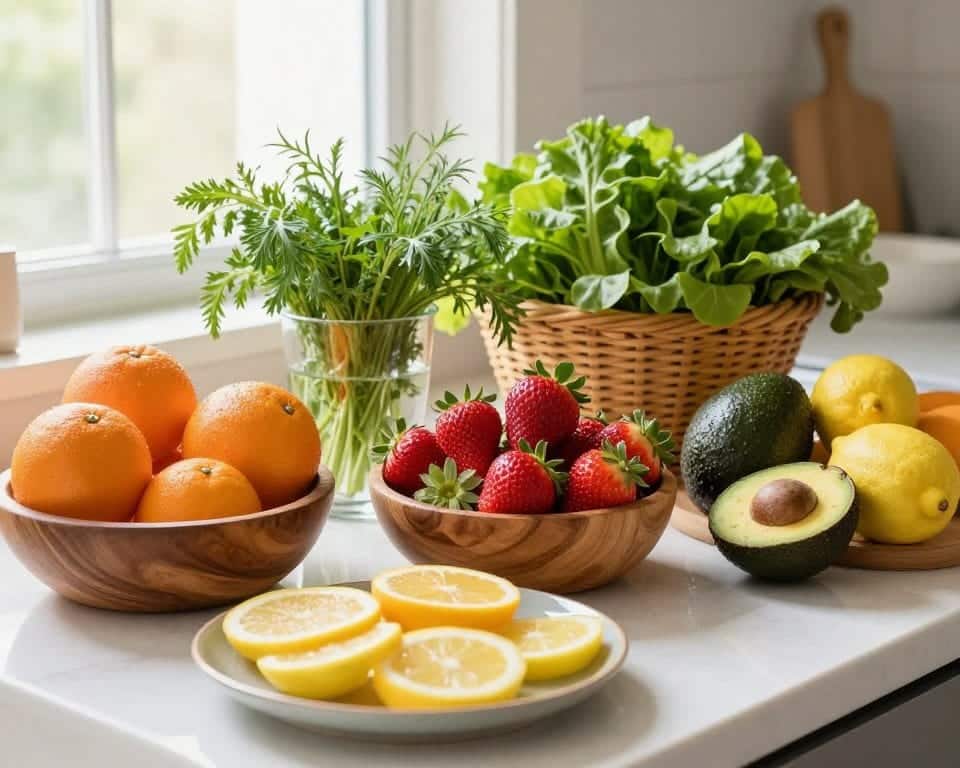
- Weight: heavy for size = more juice or density.
- Firmness: slight give for soft items; firmly set for brassicas.
- Scent: fragrance often equals flavor.
- Leaf condition: tight, crisp greens; no slimy spots.
Refrigerator basics that reduce waste
Keep produce dry and use the crisper. Don’t seal wet greens—moisture speeds rot. Asparagus holds 3–5 days; artichokes and cauliflower last about a week when chilled.
Store sprouts in a ventilated container. Potatoes and sweet potatoes do best cool, dark, and dry—do not refrigerate them. I also keep pears on the counter to ripen, then chill to hold once they yield.
What to wash now vs. later
Wash leafy greens right before use—or wash and spin very dry if prepping ahead. Wash berries just before eating. This simple habit buys you more usable time and better flavor at the table.
Simple March meal ideas that use seasonal fruit
A few small swaps turn market produce into quick weeknight dinners that feel fresh and lively. Below are fast recipes that use citrus, avocados, greens, and a couple pantry staples.
Citrus salad with olive oil and leafy greens
Formula: mixed greens + segmented citrus + a drizzle of olive oil + salt + crunch (nuts or seeds).
- Toss greens and segments, add olive oil, salt, and toast seeds for texture.
- Serve right away for best texture and bright flavor.
Grapefruit or Cara Cara segments with avocado
Layer segments with sliced avocado and a pinch of salt. Drizzle olive oil and add optional protein—grilled chicken or chickpeas work well.
Roasted vegetables finished with lemon
Roast asparagus, cauliflower, or cabbage wedges at high heat until charred. Squeeze fresh lemons and toss with olive oil to lift the dish.
Quick desserts: strawberries, citrus zest, and yogurt
Mix sliced strawberries into plain yogurt and grate a little citrus zest on top. Sweeten lightly if you like.
For chilly nights, finish a warm soup with lemon or a few segments to brighten each bowl.
Seasonality and nutrition notes you can verify
Let’s pin down measurable nutrition and harvest timing for a few staple vegetables you see at markets this month. I keep these facts tight and checkable so you can plan meals with confidence.
Artichokes: production and a fiber benchmark
Most U.S. commercial artichoke production comes from the U.S. West, and a large share of the state’s crop is concentrated around Castroville—over 65% of the state’s artichokes are grown there. A standard serving (about 3 oz cooked) contains roughly 5 g of fiber, making artichoke a solid fiber choice for a single portion.
Asparagus: nutrient-dense and low-calorie
Asparagus is at its peak in March and is valued for being nutrient-dense yet low in calories. It offers vitamins, minerals, and fiber with few calories—so you get volume and nutrition without heaviness.
Cauliflower: peak window and flavor
Cauliflower commonly delivers its best texture and flavor from December through March. That window means heads are denser and milder—great for roasting or purees. Note: as April approaches, you often see fewer cauliflower heads and fewer brussels sprouts at markets, so March is a good month to enjoy them.
“Short, verifiable notes help you shop smarter—use weight, texture, and these timing cues when you buy.”
| Item | Quick fact | Practical tip |
|---|---|---|
| Artichoke | ~5 g fiber per 3 oz; >65% CA crop from Castroville | Steam and serve with lemon for a simple side |
| Asparagus | Peak in March; low calorie, nutrient-dense | Roast quickly at high heat for best texture |
| Cauliflower | Best flavor Dec–Mar; firmer heads now | Roast or mash while fresh for max flavor |
Sources and references
I keep a short list of trusted references to verify timing and market notes. These sites help me check harvest windows, storage tips, and local market calendars for the coming month and year.
USDA Seasonal Produce Guide
Why I use it: broad, government-backed data for national shopping and storage norms. It’s a solid starting point when I need verified timelines and safety notes.
UC Agriculture and Natural Resources
Why I use it: university research focused on state crops and growing practices. UC ANR explains crop cycles and offers practical advice for growers and shoppers.
CUESA (Bay Area market guides)
Why I use it: regional market calendars and vendor lists that reflect what appears at local stalls. Great for Bay Area produce planning.
| Source | Use | Link |
|---|---|---|
| USDA Seasonal Produce Guide | National shopping & safety reference | https://www.usda.gov/ |
| UC Agriculture & Natural Resources | State crop timing & research | https://ucanr.edu/ |
| CUESA | Local market calendars & lists | https://cuesa.org/ |
Conclusion
I keep it simple: focus on a few steady winners—citrus, avocados, and early spring vegetables—and let them shape meals this month.
Top picks: heavy citrus (including oranges), ripe avocado, plus strawberries or kiwi when they smell right.
Why this way works: March is a transition, but flavor stays high for cool-season produce and citrus—so you get big taste from fewer items.
Next grocery run: make a bright salad, roast a dependable side dish, and finish with an easy yogurt-and-berry dessert for the family.
Shop by weight, firmness, and smell. Store produce correctly to cut waste. Quick planning helps families use fruits and vegetables as simple, reliable side dishes and meals.
Leave a Reply