
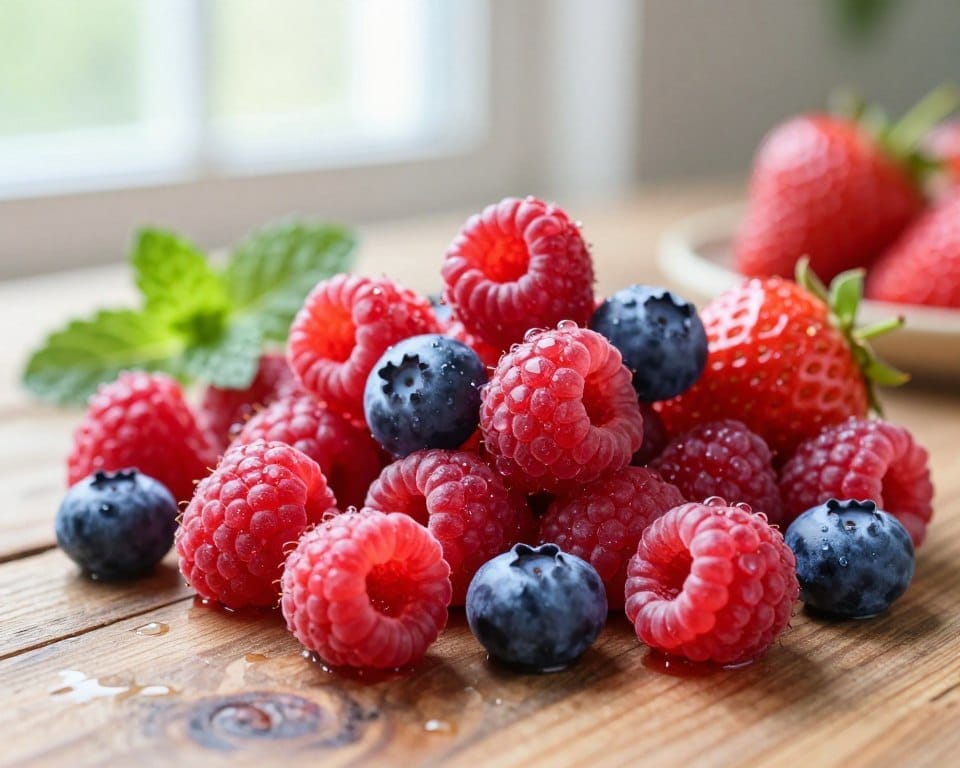
Quick answer: Dunk the fruit in cold water for a short chill, then drain and dry—this is the fastest safe way to perk slightly limp fruit, with one quick safety check for mold.
I trust this trick because plant cells regain turgor when they take up moisture. I use a cold rinse, a 30–60 second chill, then pat dry. This works best on fruit that looks wrinkled or soft, not on pieces that leak or show fuzz (discard those).
What to watch for: the fruit should feel firmer and look plumper, without soggy streaks after drying. Avoid excess water—wet fruit breaks down faster. Handle gently; soft types like raspberries need the lightest touch.
I also follow basic safety: separate suspect fruit, wash hands, and clean surfaces (USDA guidance). For science behind turgor and rehydration, see university extension notes (e.g., UC Davis).
Key Takeaways
- Cold water immersion for 30–60 seconds often restores crispness.
- Discard any fruit that leaks, is moldy, or smells off.
- Dry thoroughly after chilling to slow breakdown.
- Handle delicate types gently; they recover less robustly.
- For a full step-by-step, see this short guide at reviving strawberries.
Fast method to perk up wilted berries in about 60 seconds
Quick answer: I give them a cold water rinse, a brief ice dip, then a fast drain and gentle dry. This three-step dip takes roughly one minute and often firms fruit enough for serving.
Setup: use a clean bowl, very cold tap rinse, and a small handful of ice ready.
- Step 1 — Rinse (≈20 seconds): hold fruit with open hands and gently swish under cold water.
- Step 2 — Ice dip (≈20 seconds): plunge briefly into iced water for a quick chill.
- Step 3 — Drain and dry (≈20 seconds): lift, spread on a towel, and pat lightly.
I handle fruit with soft motions to avoid bruises. The goal is a quick chill, not a long soak; overdoing it makes things mushy. A good sign of success is cooler, slightly tighter skin after drying.
Why it works: wilting ties to lost internal pressure. Brief cold water and an icy shock help cells regain firmness — fruit looks plumper and feels firmer fast.
If pieces already leak juice, skip the soak and use them in smoothies or baking. For a related quick guide, see this tip on re-hydrate blueberries.
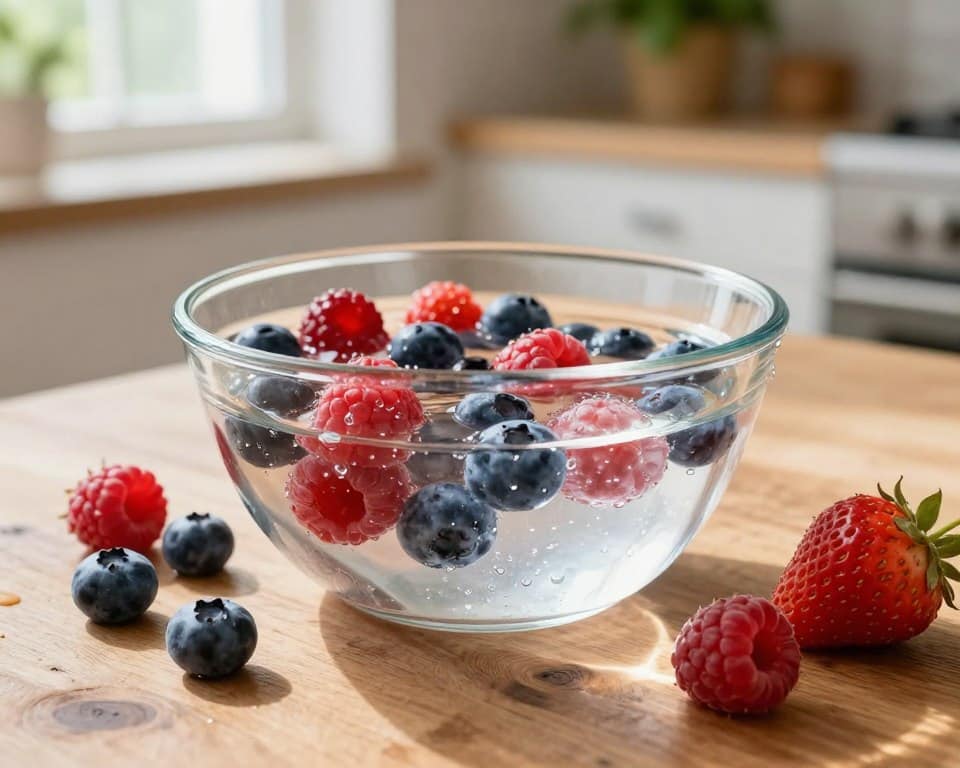
how to revive wilted berries with cold water and ice
Safety first: discard any fruit with fuzzy growth or a sour smell. Don’t try to save leaking pieces — they invite spread and won’t perk up safely.
Begin by sorting: separate suspect fruit and trim tiny soft spots on firm types like strawberries. For fragile types (raspberries, blackberries), skip trimming — they collapse easily.
Cold water step
Use a clean bowl and fill with cold water. Add the fruit and gently swish for 5–10 seconds. Lift out with a slotted spoon — don’t pour the dirty water back over them.
Ice bath step
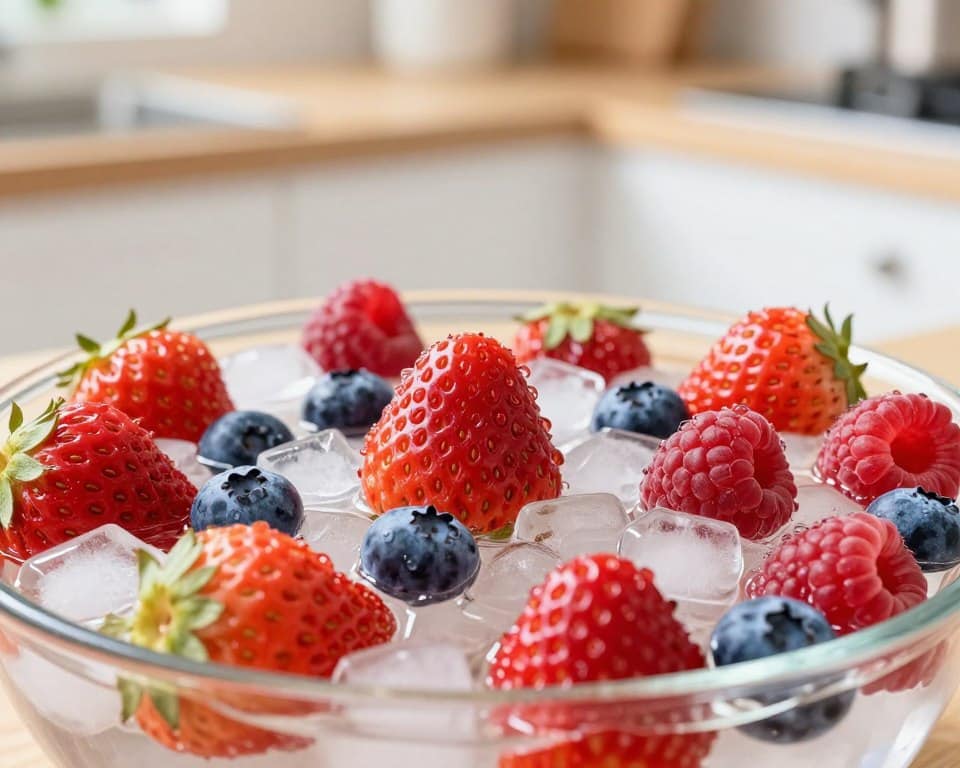
Move the fruit into iced water for short bursts. The chill firms cells without waterlogging. Keep sessions brief and check often — this is the delicate part.
Timing guide (minutes)
| Condition | Cold water + ice (minutes) |
|---|---|
| Slightly limp (wrinkled) | 1–2 |
| Moderately soft (still intact) | 3–5 |
| Very slumped (not leaking) | 5–8 (max) |
Drain and dry well
Drain in a colander, then spread single-layer on paper towels. Gently roll to blot and air-dry 5 minutes. Excess surface water speeds softening and mold — this “waterlogging” is the enemy.
- Raspberries/blackberries: keep soak at the low end and lift with a slotted spoon.
- Strawberries: trim small soft spots if present, then chill briefly.
- Store dry and loosely covered; eat within 24–48 hours for best texture.
For a related quick tip on gentle rehydration, see re-hydrate dried blueberries.
Revive wilted herbs and greens the same way, and what berries can copy
I often treat limp herbs like a quick spa day — cold water and a gentle chill bring them back. Many leafy greens and soft herbs respond well to a true ice-water soak. That method firms cells by letting tissues reabsorb moisture.
Ice-water soak times proven for tender greens and soft herbs
- Lightly limp greens (lettuce, arugula): 15–30 minutes in cold water with ice.
- Soft herbs (mint, cilantro, parsley): 15–60 minutes, depending on severity.
- Severe limpness: extend up to 1 hour for delicate bunches; check often.
Stem-in-water method and why berries differ
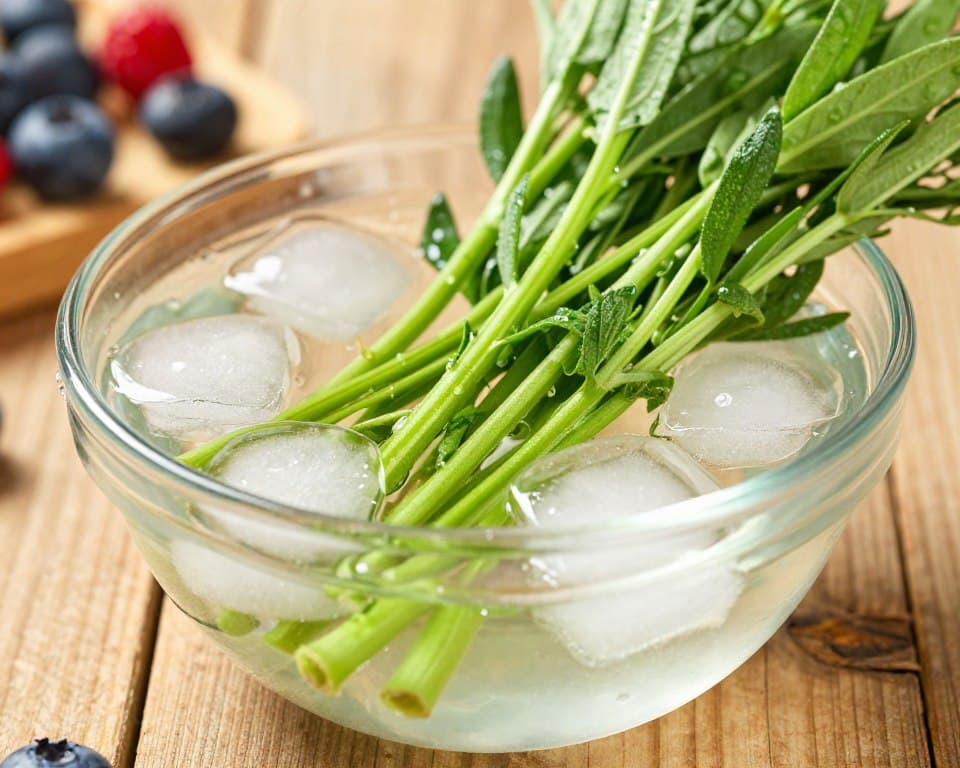
For herbs I snip the stems and stand bunches upright in clean cold water. Start at about 1 hour, and some bunches need ~3 hours. The stems draw water up, restoring leaf turgor.
Berries don’t have sturdy drinking stems and have thin skins. A long soak makes them waterlogged and mushy. So use a quick chill for fruit: short cold rinse, fast ice dip, then dry thoroughly.
| Item | Best method | Typical time |
|---|---|---|
| Tender greens | Ice-water soak | 15–30 min |
| Soft herbs (mint, cilantro) | Ice bath or stems-in-water | 15–60 min (stems: 1–3 hr) |
| Delicate fruit | Quick dip-and-dry | 30–60 sec |
Quick rule: use an ice bath for droopy herbs, the stem-in-water trick for cut bunches, and a fast dip-and-dry for delicate fruit. I store revived herbs wrapped in a damp paper towel or standing in a little water; I keep fruit dry and breathable. These simple swaps save flavor and texture — and they’re easy!
Conclusion
Keep this short routine in mind when fruit looks tired: sort, give a quick cold rinse, chill briefly, then dry well. That sequence brings back turgor and helps texture recover without waterlogging.
One clear safety rule: if you see fuzzy mold on soft fruit, toss it at once. Don’t risk eating contaminated pieces.
Best next uses for barely-hanging-on fruit: eat fresh, stir into yogurt or oatmeal, freeze for smoothies, or bake if still soft. Store dry and plan to use within a day or two for best flavor.
I use this method often—it’s simple, fast, and keeps snacks tasty. For a related quick tip, see re-hydrate blueberries.
Leave a Reply