
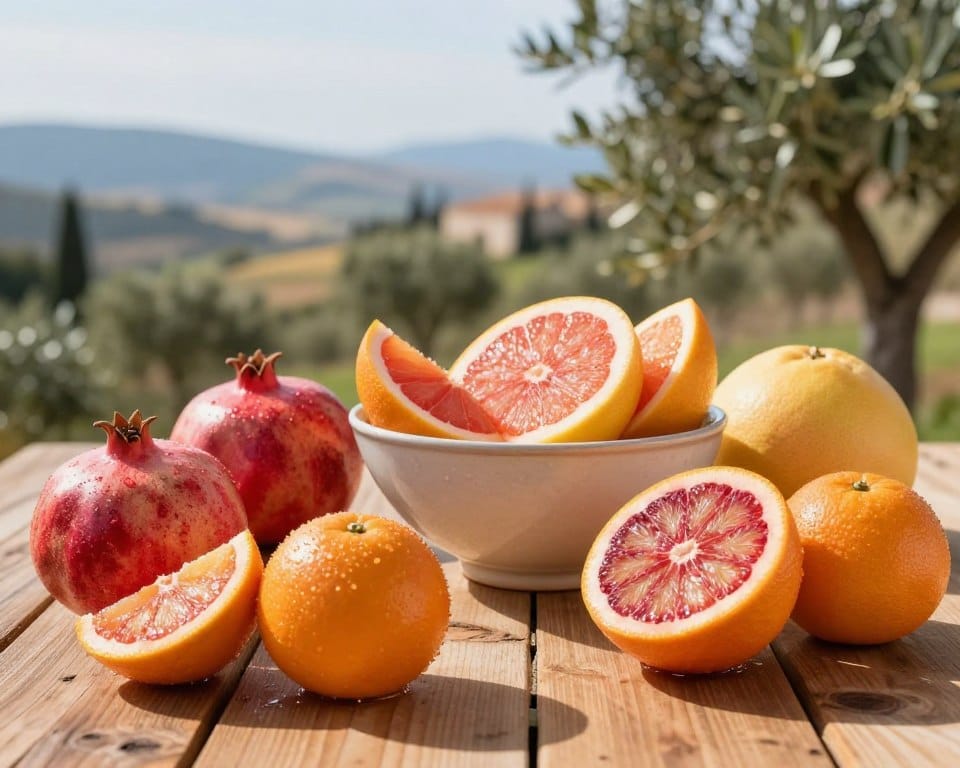
Quick answer: For U.S. shoppers, the best Mediterranean-style winter fruit buys put citrus front and center — think oranges, lemons, and limes — with solid backups like apples and kiwi for everyday use.
I love how coastal Italian food culture folds fruit into breakfast and after meals. I use lemons and limes to brighten fish and veggies with a clean, simple acidity.
This guide defines what I mean by “Mediterranean winter fruits” — fruit that fits the eating patterns of the region and shows up at its best in U.S. markets during the cold months. I’ll preview a full selection, a compact seasonality table, and easy Mediterranean diet meal ideas coming up.
What to expect: bold citrus flavor, good value, and practical uses you can adopt as a daily habit — fruit for breakfast, snack, or a bright finish to dinner. For more on seasonal picks, see my brief guide on what fruits are in winter season.
Key Takeaways
- Citrus leads: oranges, lemons, and limes are peak picks for flavor and vitamin C.
- Apples and kiwi are reliable, year-friendly choices with broad availability.
- Use fruit as a regular part of meals — breakfast and after dinner — not just dessert.
- The guide includes a compact seasonality table and simple diet-friendly recipes.
- I focus on flavor, value, and easy daily uses to improve overall health the Mediterranean way.
Quick answer: the Mediterranean winter fruits worth buying now
Short answer: pick citrus and a few hardy staples for bright, reliable flavor this season. These choices give you easy, everyday uses — breakfast, snacks, and simple meals that support a healthy diet.
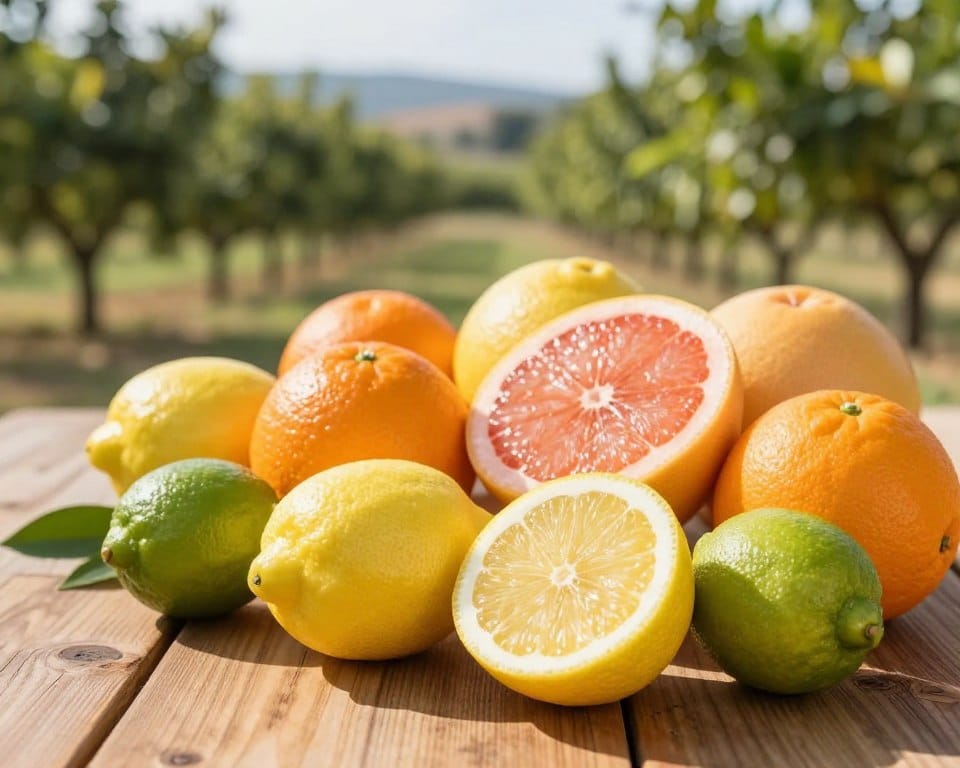
What to buy now
- Oranges — great for juice and snacking.
- Lemons & limes — small amounts lift many dishes.
- Pomegranates — seeds add texture to salads and bowls.
- Apples and kiwi — reliable, year-round picks for texture and tart-sweet flavor.
- Winter berries when available — use sparingly for color and antioxidants.
What “winter” means in the US
Some items peak locally and are stored for months (think apples). Much citrus comes from warmer regions but often tastes best in cold-season markets. Availability varies by state and store, so stay flexible.
Why seasonality matters
In-season produce usually has better texture and aroma. That means fewer bland, watery buys and less waste. Prices also dip when supply is high — especially for bagged citrus fruits.
“Choose peak produce — better flavor and value make healthy eating easier.”
Quick shopping checklist: pick citrus that feels heavy for its size, has glossy skin, and no soft spots. These small checks save money and reduce waste, one simple habit at a time.
Mediterranean winter fruits list: top picks for flavor, variety, and seasonality
I keep a small bowl of seasonal citrus on the counter — it makes breakfasts and salads pop! Below are my go-to picks, each with quick notes on how to pick, store, and use them.
Oranges
Best picks: heavy, fragrant, bright skin.
Taste: sweet-tart; great for morning juice and segments.
Storage: 2–4 weeks in the fridge. Best uses: snacking, juice, salads.
Lemons & limes
Best picks: firm with glossy skin.
Taste: sharp acidity — use zest or quick squeeze to lift fish and roasted veggies.
Pomegranates
Best picks: heavy, unbroken skin.
Use: remove arils and scatter on salads or yogurt; juice brightens sauces and smoothies.
Apples, kiwi, and berries
Apples: choose crisp types; store 1–3 months refrigerated; slice into salads.
Kiwi: tart-sweet color boost — peel and slice.
Winter berries: buy fresh if flavorful or keep frozen for smoothies and baking.
| Item | Peak months | Taste notes | Best uses |
|---|---|---|---|
| Oranges | Dec–Mar | Sweet-tart | Juice, snacks, salads |
| Lemons/Limes | Nov–Mar | Sharp, bright | Seasoning, zest |
| Pomegranate | Oct–Feb | Sweet-tart, crunchy | Salads, sauces, smoothies |
| Apples/Kiwi/Berries | Year-round/seasonal | Crisp to tart | Snacks, baking, bowls |
How to eat Mediterranean winter fruits on a Mediterranean diet
A squeeze of lemon or a handful of arils can turn a plain plate into something memorable. Below are practical, US-friendly ways to add bright fruit to each meal—fast recipes and family-ready swaps that don’t feel like strict diet rules.
Breakfast ideas
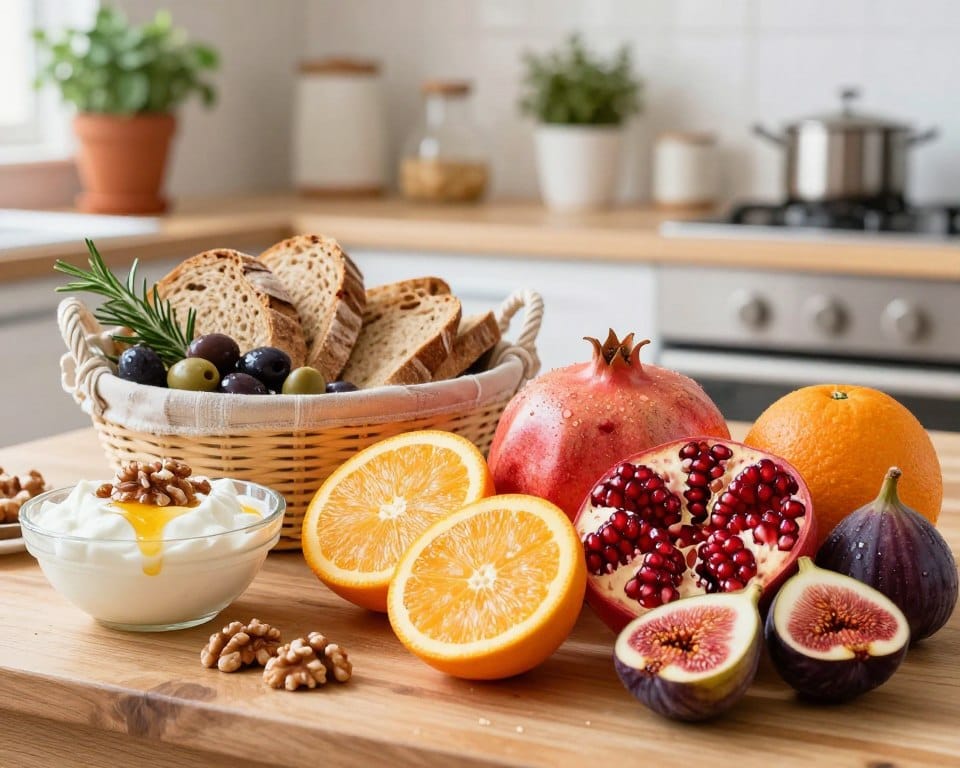
- Greek yogurt + orange segments + walnuts — fold and eat. Quick, protein-rich, ready in 2 minutes.
- Oatmeal + grated apple + cinnamon — stir, top with a few chopped nuts for crunch.
- Cottage cheese + sliced kiwi — simple, tangy, and portable for busy mornings.
Lunch ideas
- Arugula salad with pomegranate arils, olive oil, vinegar, and chickpeas or shredded chicken.
- Whole-grain pita filled with leftover fish, citrus zest, greens, and a light drizzle of dressing.
Dinner ideas
- Baked salmon — finish with lemon wedges and chopped parsley for instant brightness.
- Sheet-pan chicken — roast with root vegetables, squeeze lime over before serving.
- Roasted vegetables — toss with olive oil, salt, then add citrus juice right before plating.
Snack & dessert swaps
- Apple slices with a small piece of cheese or nut butter.
- Orange segments packed for school or work instead of packaged sweets.
- Berries stirred into yogurt as a light after-dinner treat.
Juice vs whole fruit: when each makes sense
Whole fruit wins for fiber and fullness. It helps you eat less overall and keeps blood sugar steadier.
Juice is fine as a small addition—4–6 oz—when someone needs quick flavor or has low appetite. Use it as a complement, not a default drink.
| Meal | Simple recipe idea | Key benefit |
|---|---|---|
| Breakfast | Greek yogurt + orange + walnuts | Protein + vitamin C, fast |
| Lunch | Arugula + pomegranate + chickpeas | Fiber, color, easy prep |
| Dinner | Baked salmon + lemon | Flavor boost, minimal salt |
For more seasonal picks and practical tips, see my short guide on top fruits to enjoy during winter.
Nutrition notes for winter fruit: vitamins, antioxidants, and sugar awareness
This season’s produce offers big nutrition in small packages—bright colors often mean different vitamins and minerals. I like an “eat the rainbow” approach: orange citrus, red pomegranate, green kiwi, and deep-blue berries each bring unique compounds and polyphenols that support overall health.
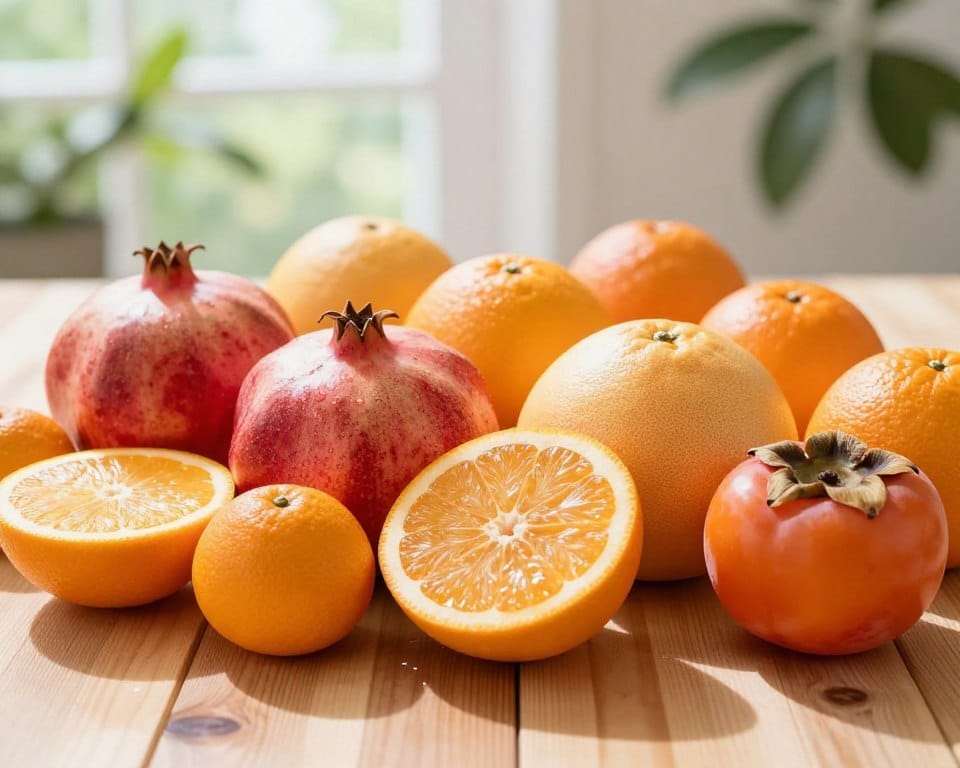
Eat the rainbow for broad micronutrients
Why it matters: variety gives you fiber, vitamin C, and antioxidants without much fuss. These nutrients help immune defense and recovery (see NIH Office of Dietary Supplements and USDA nutrient profiles).
Lower-sugar choices to prioritize
Everyday picks: citrus, berries, kiwi, and apples are usually less sweet and keep blood sugar steadier. I treat very sweet options as occasional treats—still lovely, just less often.
Practical portion cues
- One medium fruit (apple or orange) fills a snack slot.
- 1 cup berries or 1/2 cup pomegranate arils makes a bright topping for yogurt or salad.
- Pair fruit with a handful of nuts or a bit of cheese to add protein and healthy fat—this steadies energy.
Keep vegetables as the plate’s main volume, and let starchy sides like potatoes or roasted carrots be measured—small portions work best. For a quick example: roast carrots and other vegetables, add a modest protein, and finish with sliced orange or a spoonful of arils for contrast.
“Focus on whole foods and simple portions—balanced plates beat perfection.”
For more practical picks and season tips, see my short guide on top fruits to enjoy during winter.
Conclusion
Conclusion — quick takeaway: Choose citrus as your headline pick, with apples, kiwi, and pomegranate as reliable supporting options. These buys brighten meals and stretch your budget.
Follow seasonality for better flavor and value. Use fruit as a regular part of breakfast, snacks, or a light finish to dinner—simple, repeatable ideas that fit a healthy diet.
Screenshot shopping checklist: two types of citrus, one apple variety, one pack of kiwi, and one pomegranate or a bag of frozen berries.
Action step: pick one new ingredient this week and add it to two dishes you already make. Try the guide to the top fruits to enjoy during winter for quick inspiration—then enjoy the tasty results! 😊
Leave a Reply