

how long washed fruit lasts — I’ll give a quick, clear answer: washed produce usually keeps several days longer in the fridge than on the counter, but moisture and damage can cut that time fast.
I wash berries and apples before cooking or snacking. I always dry them well. Excess water speeds mold and soft spots — that’s the big deal.
Whole items last more than cut pieces. Berries are fragile; apples hold up. Cold slows mold; wet speeds it up. If you see mold, slime, or an off smell — toss it. 😊
Key Takeaways
- Dry fully: Surface water shortens fridge life.
- Whole vs cut: Cut pieces spoil much faster.
- Fridge helps: Cold slows mold and softening.
- Watch signs: Mold, slime, or bad smell means toss.
- Quick tips: Rinse under water or a vinegar mix, then pat dry.
Quick answer: typical fridge life for washed fruit by type
I plan my week around the most fragile picks—berries go first. A tight at-a-glance view helps me shop and meal-plan with less waste.
Berries and grapes: shortest vs longest windows
| Item | Typical fridge range |
|---|---|
| Strawberries | 3–7 days |
| Blueberries | 1–2 weeks |
| Grapes (stored well) | 5–14 days (experiment: unwashed softened by day 5–6) |
| Apples / Citrus | 2–6 weeks |
Whole vs cut: what changes after slicing
Slicing makes wet surfaces and speeds breakdown. Most cut pieces keep about 5 days when sealed in an airtight container and chilled.
Practical tips: Eat raspberries and strawberries first. Save apples and citrus for later in the week to keep meals simple and produce at peak time. 😊
What actually controls shelf life after you wash produce
A few everyday choices decide whether produce stays crisp or turns fuzzy fast. I break shelf life into four simple levers I can control at home: moisture, temperature, damage, and ethylene gas. These explain the visible signs you spot—wrinkles, soft spots, fuzz, and odd smells.
Moisture: why “dry before storing” matters
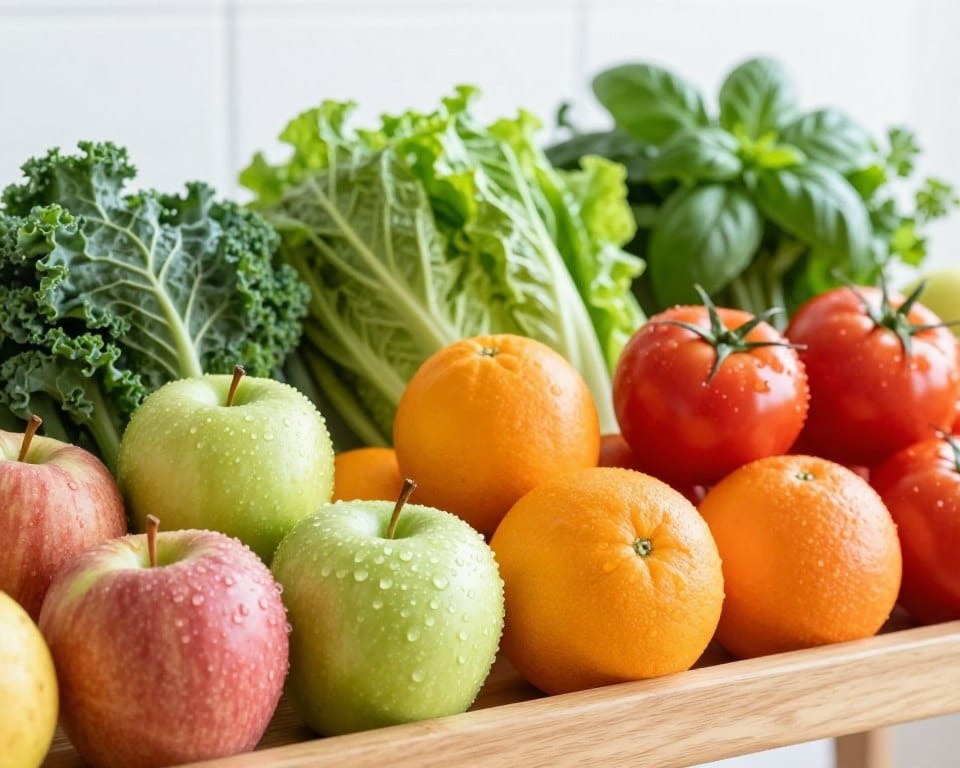
Water invites mold and speeds decay. Thin-skinned items like berries and leafy greens show this first.
Tip: Pat or air dry fully before placing produce in the fridge. Dry surfaces delay mold and cut down spoilage.
Temperature: why the fridge slows spoilage
Cold hides the growth that makes produce soft and smelly. A chilled drawer slows enzymes and microbes.
Store delicate items in the cooler part of the fridge to stretch crispness by days or weeks.
Damage and bruising: how handling speeds breakdown
Dents are tiny hotspots for rot. I sort and eat bruised pieces first.
Gentle handling and single layers in containers reduce pressure and slow breakdown.
Ethylene gas: fruits that ripen others faster
Certain fruits release ethylene and speed ripening in nearby produce. Apples, bananas, avocados, tomatoes, pears, and stone fruit are the main culprits.
Simple rule: Keep ethylene producers away from leafy vegetables and other sensitive items. That separation keeps the ripening process steady and prevents surprise softening.
Want practical storage steps? See these proper storage tips for everyday wins. 😊
How long washed fruit lasts in the fridge vs on the counter
Some fruits finish ripening best on the counter; others want the chill right away. I check feel and color, then pick a spot to store—counter or fridge—so nothing surprises me midweek. 😊
Room-temperature examples
Avocados: 4–7 days at room temp—check softness daily for your perfect ripeness. Bananas: 2–5 days. Tomatoes: about 1 week; keep them stem-side down.
Refrigerated examples
Strawberries: 3–7 days in the fridge when dry and unbruised. Blueberries: 1–2 weeks if kept cold and in a single layer. Lemons and oranges: 3–4 weeks chilled.
| Item | Counter | Fridge |
|---|---|---|
| Avocados | 4–7 days | move when ripe |
| Bananas | 2–5 days | avoid unless very ripe |
| Strawberries / Blueberries | eat within a day | 3–14 days (varies) |
- Tip: Let ethylene-producing items finish on the counter, then chill to extend life.
- Reminder: Washing doesn’t mean store wet—dry fully before refrigeration.
- For more preservation tricks, see top tips for preserving fruits.
Best method to wash and store berries
A quick, careful rinse and the right drying routine keep berries bright and tasty. Below I give a simple process I used in a 21-day test that you can copy at home.
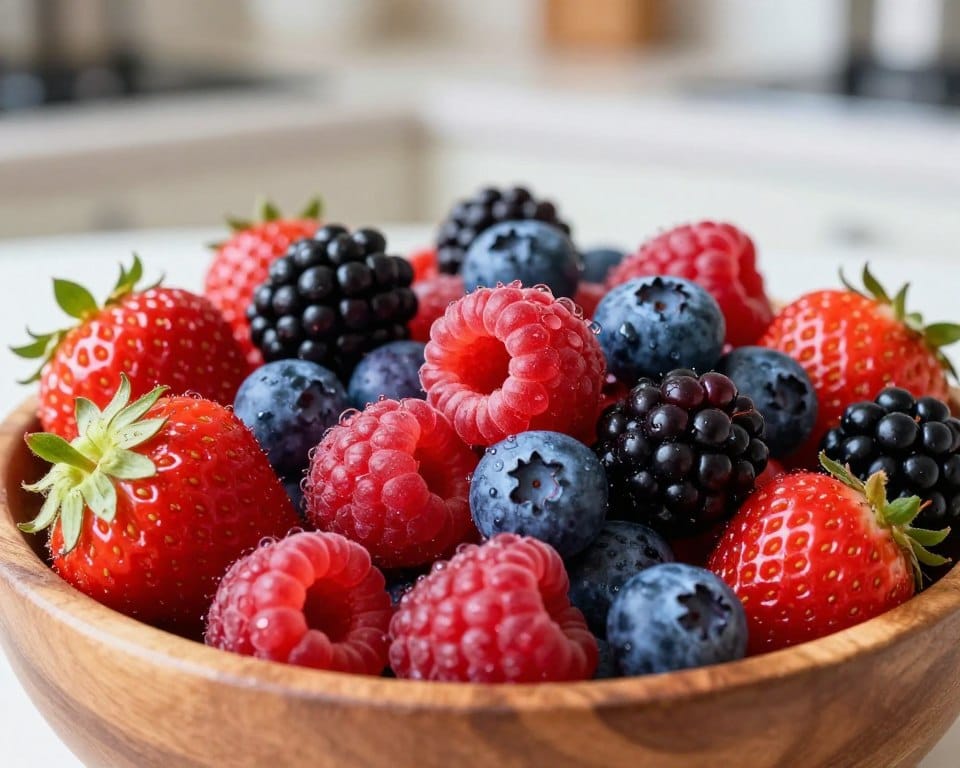
Water vs water-and-vinegar rinse
I use plain water for very clean produce. I choose a water-and-vinegar bath when I want extra mold control.
For the vinegar bath: fill a bowl with water and add about 1/4 cup vinegar. Soak berries for ~5 minutes. Then rinse well to avoid any tang.
Step-by-step soak, rinse, and dry
- Sort—remove crushed or moldy pieces right away.
- Soak in the vinegar solution or plain water for five minutes as needed.
- Rinse under running water to remove vinegar taste.
- Towel-dry gently, then let berries air-dry on a clean towel.
- Use a paper towel later only if condensation appears.
Container choice and results
Airtight container wins in my test. Raspberries, blackberries, and blueberries stayed fresher in airtight jars through the 21-day run. Vented packs let raspberries mold first.
Practical timelines and quick rules
Plan meals with strawberries in the first week—3–7 days is realistic, even with good storage.
Toss any berry that shows mold. One bad piece spreads spoilage fast.
Best method to wash and store grapes for crunch and longer freshness
A tiny routine change saved my grapes from wrinkling for weeks. I tested a clear, repeatable process that kept texture and flavor—especially the satisfying crunch.
Water-and-vinegar soak window used in the experiment
Soak: I used a bowl of water with about 1/4 cup vinegar and soaked grapes for 10–15 minutes. This water vinegar step cuts surface microbes without hurting taste.
Remove from the vine and sort before storage
Pull grapes off the vine during the soak. That helps me spot bruised or soft pieces right away.
Any grape that feels mushy gets tossed. One soft grape invites quick spoilage.
Airtight container in the fridge: what stayed high-quality through 21 days
- Rinse thoroughly after the soak, then towel and air-dry completely—the crunch insurance policy.
- Store mostly dry in an airtight container in the fridge to keep humidity low.
- Portion into smaller containers so families can grab snacks without opening the main batch.
“Unwashed grapes started to wrinkle by day 5–6 in my test; the soaked and dried batch stayed crunchy up to 21 days.”
Result: The airtight container kept the best quality. These steps help you keep fresh grapes ready for snacking and salads.
Storing washed apples, citrus, and stone fruit without speeding ripening
I tuck whole apples into the crisper drawer to slow the ripening and keep snacks ready all week. The drawer controls humidity and keeps air cooler than the main shelf.
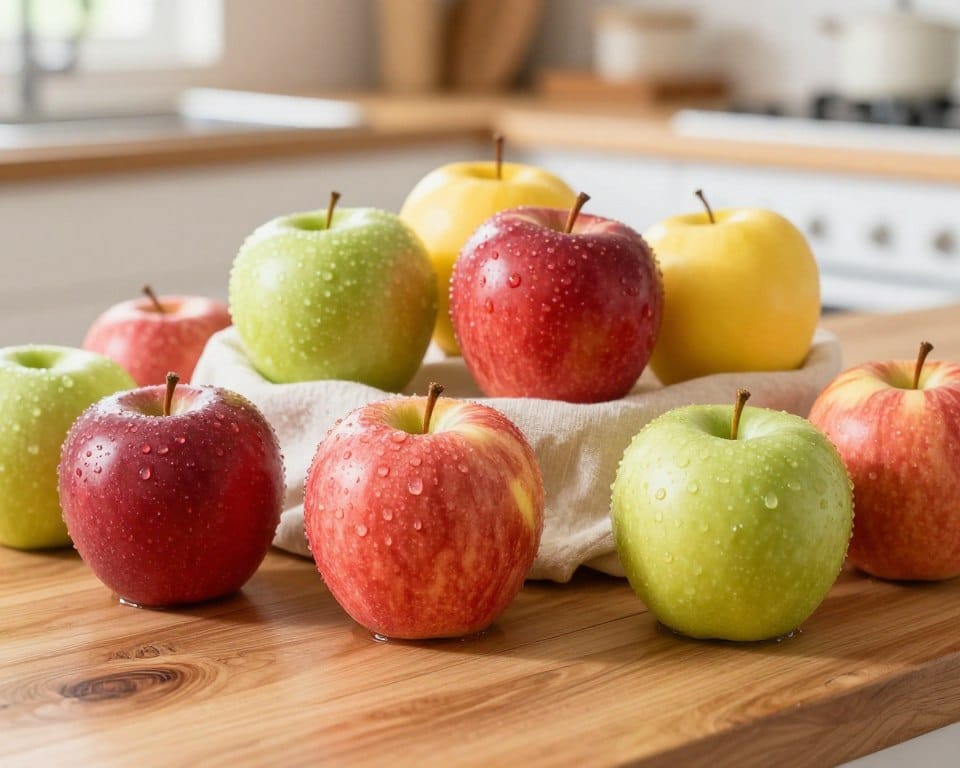
Do this: Sort at the grocery store—remove bruised pieces, then wash and dry if you want grab-and-go. Store whole apples and similar items in the drawer to delay the ripening process.
Keep ethylene producers separate
Apples and stone fruits make ethylene. That gas speeds ripening in nearby produce. I keep them away from leafy greens and herbs.
Simple timelines and quick rules
- Lemons & oranges: 3–4 weeks in the fridge when dry.
- Peaches: 1–3 days at room temp once ripe—eat fast!
- Onions belong in the pantry by themselves; keep them away from potatoes to avoid sprouting or wilting.
| Item | Best spot | Notes |
|---|---|---|
| Apples | Crisper drawer | Slows ripening; keep single layer |
| Lemons / Oranges | Lower fridge shelf | 3–4 weeks when dry |
| Peaches | Counter until ripe | Move to fridge briefly after ripening |
For extra tips on how to store produce and avoid waste, see these proper storage tips—small habits make big savings! 😊
Leafy greens and lettuce: washing, drying, and storing to avoid slimy leaves
A gentle rinse and patient drying make the difference between crisp greens and slimy messes. I keep the routine simple and repeatable so salads stay bright all week. 😊
Wash method: soak, swirl, and lift
Separate leaves and fill a bowl with cold water. Let them soak about five minutes, then swirl gently to loosen grit.
Important: lift the leaves out—don’t pour the dirty water back over them. That step keeps sand and debris in the bowl, not on the leaves.
Dry method: salad spinner vs towels
I reach for a salad spinner when I can. It removes water fast and keeps leaves intact.
When a spinner isn’t available, lay leaves on a clean towel and pat gently. Wet leaves go slimy fast—spin or towel-dry thoroughly.
Store smart and timeline
Place dry greens in an airtight bag or container with a paper towel to absorb extra moisture. Keep them cold in the fridge.
Timeline: whole heads like iceberg and romaine typically stay crisp about 7–10 days in the fridge when handled well.
- Use pre-cut greens first; whole heads last longer.
- Watch for soggy texture, browning, or a rotten smell—those are red flags.
Containers, tools, and fridge zones that extend freshness
Smart containers and a tiny setup change can keep your produce crisp and snack-ready all week. I keep things simple—pick the right container, control moisture, and use the best fridge zones.
Airtight containers vs vented options
Airtight container wins for washed berries, grapes, and cut pieces. In my 21-day test, airtight storage held quality far longer.
Vented containers help when condensation is a recurring problem. If you see steady moisture, add a small vent or open the lid briefly each day.
Paper towel lining and the upside-down trick
Lay a single paper layer under the fruit to absorb stray dampness. For heavy condensation, place a paper towel on top of the fruit, then flip the container so moisture collects away from the pieces.
“Airtight storage kept berries and grapes at peak quality through 21 days; the paper-towel flip cut visible condensation and delay mold.”
Crisper drawer settings and fridge mapping
Use the crisper drawer for whole items you want to slow down. The drawer’s slightly higher humidity helps retain texture without speeding ripening.
Keep grab-and-go containers on the main shelf for quick snacks.
- Quick checklist: salad spinner, clean towels, a fine strainer, a few airtight containers, and some paper towels.
- Match container choice to the item: airtight for delicate washed berries; vented for slightly damp batches.
- Label and rotate—first in, first out—so nothing hides in the back.
| Container type | Best for | Notes |
|---|---|---|
| Airtight container | Washed berries, grapes, cut pieces | Keeps humidity controlled; best for 21-day quality |
| Vented container | Slightly damp items | Prevents trapped condensation; open occasionally |
| Loose bag with paper | Leafy greens, bulk apples | Paper absorbs moisture; keeps air flow |
| Crisper drawer | Whole produce you want to slow | Use humidity setting to match item type |
Food safety: when to wash, when to toss, and how to prevent cross-contamination
Safe prep starts before the sink—simple habits cut contamination risk fast. I follow a few calm rules that keep meals tasty and safe.
Why I still wash peelable items
Even peels can carry bacteria that transfer from the surface to your knife or cutting board. I always clean the item and the board to stop surface germs getting into the flesh.
Red flags that mean “toss it”
Watch for visible mold, sliminess, off smells, or excessive softness. If any of those appear, I throw the piece away—don’t try to salvage it.
Rules for cut pieces
- Cut cleanly on a sanitized board.
- Place sliced items into an airtight container immediately.
- Refrigerate and use within about five days—inspect by sight and smell first.
Cross-contamination basics: wash hands, sanitize sinks and colanders, use separate boards for raw meat, and keep vegetables and raw meat prep far apart.
| Red flag | Why it matters | Action |
|---|---|---|
| Visible mold | Mold spreads quickly across pieces | Toss immediately |
| Slimy or weepy surface | Bacterial growth signs | Throw out and sanitize container |
| Off odor | Breakdown and spoilage | Discard |
| Excessive softness | Texture loss invites microbes | Use or toss |
For authoritative guidance, check CDC, USDA/FDA, and university extension resources. For related storage tips, see this dried fruit shelf tips.
Conclusion
A steady kitchen habit—sort, rinse, dry, store—made my snack routine calm and predictable. I follow one rule: wash when needed, dry fully, then choose storage by item.
Plan by time: berries go first (a few days), grapes and avocados can stretch with care, and citrus often keeps for weeks in the fridge or drawer. This helps a busy family shop once and eat in order.
The biggest win in my test was the vinegar-plus-water rinse, thorough drying on a towel or paper towel, then an airtight container. That combo kept berries and grapes tasting fresh far longer.
Quick routine to copy: sort → wash → dry → pack in a labeled container → stash. Keep ethylene producers away from greens and onions away from potatoes. If something smells off or feels slimy, toss it—no debate. 😊
Takeaway: small steps save time, cut waste, and keep produce and fruits ready for family snacks and meals.
Leave a Reply