
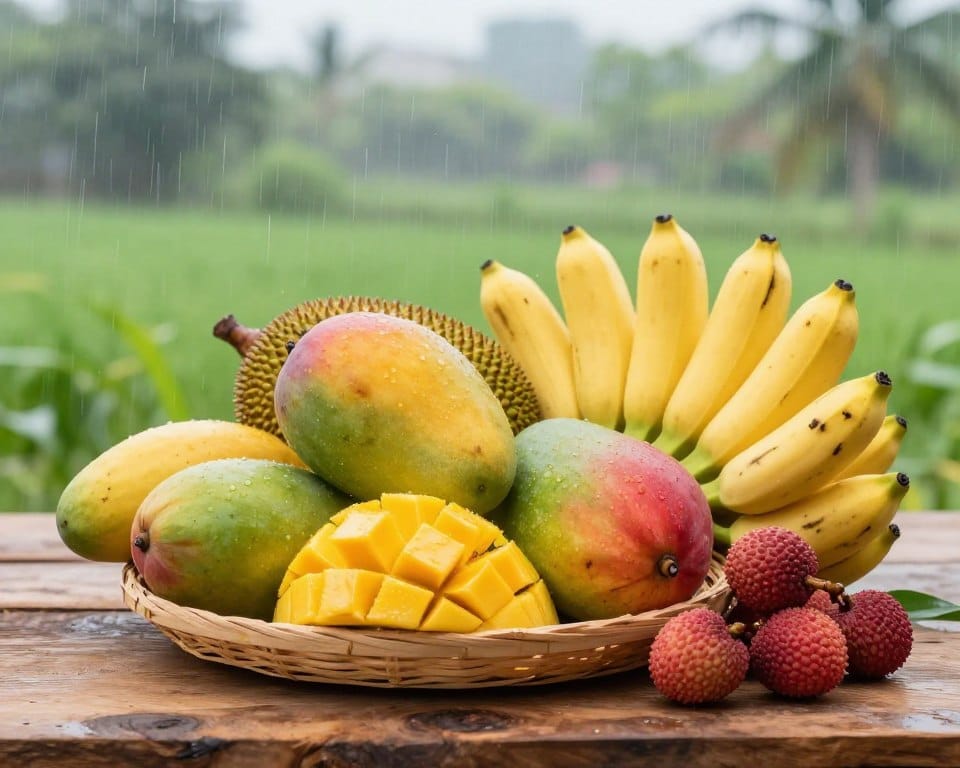
I love walking a wet market and smelling ripe fruit after a cool rain—it’s pure joy. I’ll name the top picks you should seek: litchi, jamun, plums, peaches, pears, pomegranate, custard apple, melon, cherries, and mango.
If you live in the United States and want these seasonal treats, I’ll help you spot what travels well and what to buy locally or import. I speak like a market friend—clear, firm, and practical.
Expect a short, actionable guide: what to buy, why it tastes better when fresh, and simple steps to keep produce safe in humid weather.
Key Takeaways
- I name the top seasonal picks and why they shine after rain.
- Learn which items ship well to the U.S. and which are best local.
- Get quick handling tips to cut spoilage in humid heat.
- Find a compact shopping flow for markets and online stores.
- Practical, expert tone—no medical claims, just food facts.
Quick answer: the best monsoon fruits to buy in India during the rainy season
Quick answer: pick litchi, jamun, plums, cherries, peaches, pears, melon, pomegranate, custard apple, and mango. I say these because they ripen and taste best in wet, warm weather.
What this season means for availability and freshness
The season brings more humidity and rain. That speeds ripening—and spoilage. Regions and local climate change which items arrive and when. So availability shifts by state and time.
“Short windows produce the ripest, most flavorful produce—buy and eat soon.”
How to use this guide from the United States
Use the shopping targets as a seasonal target—not a guarantee. Some items ship well; others do not.
- Rule for imports: choose firm fruit if you need it to travel; choose aromatic fruit if you’ll eat it the same day.
- Mango, pomegranate, and pears often appear in U.S. markets. Fresh litchi and jamun are rarer.
| Fruit group | Best for shipping | Best to eat locally |
|---|---|---|
| Mango, Pomegranate, Pears | Firm varieties ship well | Eat when aromatic |
| Litchi, Jamun, Cherries | Hard to ship fresh | Peak flavor day-of |
| Plums, Peaches, Melon | Choose firm for transit | Ripe same-day taste |
| Custard apple | Delicate—short transit only | Best fresh from market |
Why seasonal monsoon fruit can be a smarter choice than out-of-season imports
Fruit that travels less tends to arrive juicier, sweeter, and with better aroma. Shorter time from harvest to shelf preserves nutrient content and the scent that tells you it’s ripe.
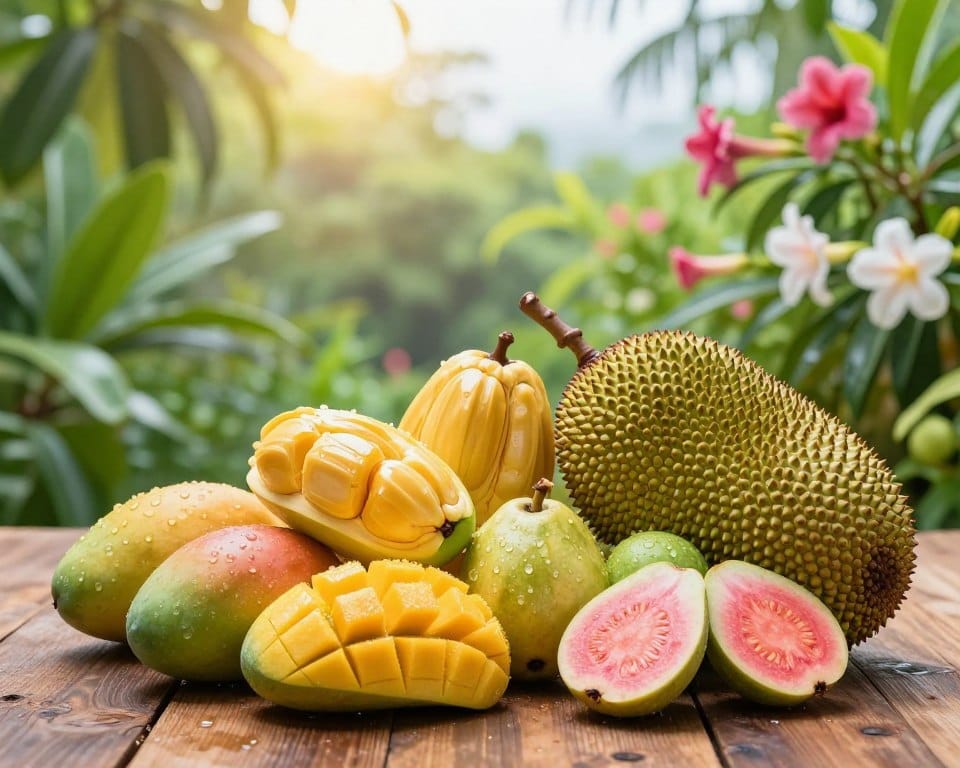
Freshness and nutrient retention from shorter storage time
When growers sell close to harvest, storage days drop. Less cold storage means fewer nutrients lost and firmer texture. That improves taste and often raises the vitamin content.
Budget and flavor benefits when produce is at peak season
Seasonal buying cuts cost: supply surges push prices down while quality climbs. Pick ripe items and you often need less sugar or dressing to enjoy them.
- Imports are picked earlier and log more handling and chill time.
- Seasonal picks give you a simple way to add natural energy and low calories to snacks.
- Pair fruit with protein or healthy fats for balanced diet and better overall health.
| Feature | Seasonal | Imported |
|---|---|---|
| Storage time | Short — fresher at purchase | Longer — early pick and cold storage |
| Price | Often lower at peak | Stable or higher due to transport |
| Flavor & nutrients | Richer taste, higher nutrient content | Muted taste, some nutrient loss |
Monsoon fruits in india list: top picks and why they’re worth eating
Freshly harvested gems appear for a brief time each year—here are the top ten to try.
Litchi (lychee)
Vitamin C and hydration. I eat chilled litchi bowls for a light dessert that boosts flavor without added sugar.
Jamun (Java plum)
Deep color and antioxidants. Traditionally used for blood sugar support; I slice jamun into yogurt as a tangy topper (not medical advice).
Plums
High in fiber for gentle digestion. I grab firm plums as a lower-glycemic snack to replace candy.
Cherries
Rich in anthocyanins—antioxidant compounds linked to heart health research. I fold cherries into oats or eat them fresh.
Peaches
Vitamins A and C and great texture. Try sliced peaches in salads or stirred into yogurt.
Pears
High-fiber choice that helps fullness and steady energy. Pick slightly firm pears that ripen at room temperature.
Melon
Water content and electrolytes—refreshing on humid days. Cut clean and serve chilled for a light snack.
Pomegranate
Seeds (arils) pack punicalagins and bright flavor. I sprinkle them over oatmeal instead of syrup.
Custard apple (sitaphal)
Creamy, energy-dense flesh that works as a rich dessert swap—stir into thick yogurt or eat plain.
Mango
Vitamins A and C and versatile use. I dice mango for salsa, chia pudding, or plain slices for natural energy.
At-a-glance nutrition and health benefits table for rainy season fruits
Here’s a quick snapshot of what each seasonal pick brings to your plate and why it matters. I kept the notes practical—aim for a serving that fits your day and pairs well with protein or fat to slow sugar absorption.
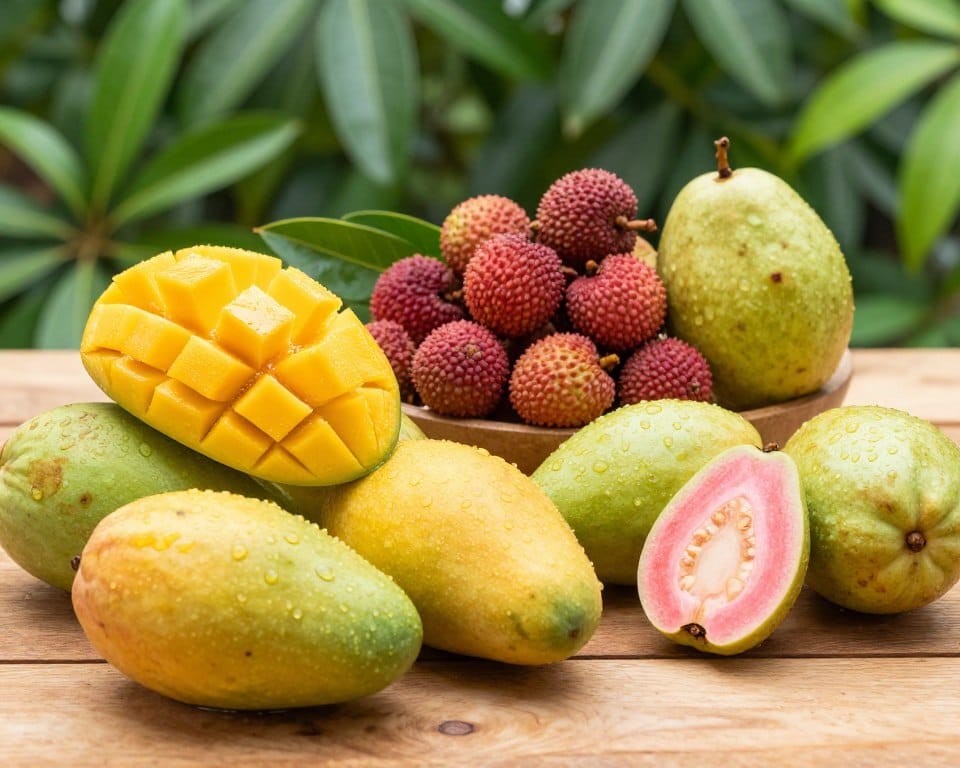
| Fruit | Key nutrients | Most common benefit focus |
|---|---|---|
| Litchi | Vitamin C, water | Immune system support, hydration |
| Plum / Pear | Fiber, potassium | Digestion support, satiety |
| Cherries | Anthocyanins, vitamin C | Antioxidants for heart health |
| Pomegranate | Polyphenols, vitamin C | Antioxidant support, heart health |
| Melon | Vitamins A & C, electrolytes | Hydration and low calories refresh |
Portion sizes and natural sugar notes
Typical portions: 1 medium whole fruit, 1 cup diced, or 1/2 cup arils. These amounts give useful vitamins and fiber without excess calories.
Fruit contains natural sugar. Pairing a serving with yogurt, nuts, or seeds slows digestion and helps steady blood sugar levels. That keeps you full longer and reduces quick sugar spikes.
One small reminder: antioxidants and polyphenols support general wellness but are not a substitute for medical care. For more on tropical fruit benefits, see this tropical fruit benefits overview.
How to choose ripe, good-quality monsoon fruit at the market
I use four simple cues to tell if a piece is worth buying now or skipping. Short checks save you time and spoilage at home.
What to look for
- Color: even tone without dull patches.
- Aroma: a pleasant, light scent near the stem—no sour smell.
- Firmness: give gentle pressure near the stem, not the middle.
- Surface: intact skin, no splits or leaking juices.
Tips for specific picks
Litchi skin may look rough but the flesh can be perfect. Avoid cracked or leaking shells.
Good jamun shows deep, uniform color and unbroken skin. Fermentation smells sharp—skip those.
For peaches and pears, press softly near the stem. Plums and cherries will have a matte bloom; sticky spots mean damage.
What to avoid
- Mold, soft bruises, wet packaging, and fruit flies hovering.
- In U.S. stores, check clamshell bottoms for pooled juice—that usually means crushed produce.
| Check | Good sign | Avoid |
|---|---|---|
| Color | Even tone | Dull patches |
| Smell | Light fragrance | Sour/ferment |
| Skin | Intact | Cracks/leaks |
Food safety in humid weather: washing, cutting, and storage rules
Humidity speeds up spoilage, so a few simple habits keep your produce safe and tasty.
Why damp weather raises risk: warm, wet air fuels mold and quick fermentation, especially for soft picks and anything already cut. In the monsoon, check goods more often and plan to eat them sooner.
Safe washing and drying
Wash hands first. Rinse produce under running water and scrub firm items, following FDA guidance. Dry with a clean cloth or paper towel — moisture left on skin invites bacteria.
Cutting and refrigeration basics
Use a clean board and knife. Don’t leave cut pieces on the counter more than two hours; in a warm kitchen reduce that to one hour.
Store cut fruit in a sealed container and refrigerate promptly. The USDA FoodKeeper guidance suggests eating most cut produce within a few days; discard if it smells off.
“Rinse under running water and dry with a clean cloth to reduce bacteria.”
When to limit very ripe or water-heavy items
Avoid buying or prepping overripe, leaking, or very water-heavy items if you cannot keep them cold and clean. For meal-prep and lunchboxes, pick firmer pieces that can be consumed fresh the same day.
| Step | Why it matters | Practical tip |
|---|---|---|
| Rinse & dry | Reduces surface bacteria | Wash before eating; dry well |
| Clean tools | Prevents cross-contamination | Separate boards for fruit/other foods |
| Chill cut fruit | Slows spoilage | Seal container; refrigerate within 2 hours (1 hr if hot) |
| Limit overripe | Higher spoil risk | Buy ripe for same-day use or avoid |
For more on handling and storage that extends shelf life, see this helpful guide on fruits that travel and store better.
Best ways to eat monsoon fruits without adding excess sugar
I favor simple swaps that keep natural sweetness and add staying power to snacks. Start with ripe produce and follow a no added sugar rule of thumb: pair fruit with protein or healthy fat to balance taste and slow digestion.
Smart pairings for balance
- Greek yogurt + pomegranate arils: creamy protein meets bright taste and texture.
- Pear + peanut butter: quick, portable energy and satiety for busy days.
- Peach + cottage cheese: soft fruit with mild cheese—fills you up without syrup.
- Plum + almonds or walnuts: crunch and healthy fat slow sugar levels.
- Add seeds (chia, pumpkin) or oats to bowls to extend energy and improve mouthfeel.
Kid-friendly ideas and smoothies
Frozen mango cubes or cherry “nice cream” blended with plain yogurt make simple, fun treats. Litchi fruit cups work well without syrup—just chill and serve.
For smoothies: use whole fruit, reduce juice, add yogurt or oats, and skip sweetened mixes. Keep portions moderate for stable blood sugar and steady energy.
“Pick ripe produce, then add protein or fat—small changes make snacks more filling and healthier.”
| Use | Why | Quick tip |
|---|---|---|
| Seeds & oats | Slow digestion | Sprinkle 1–2 tbsp in bowls |
| Protein (yogurt, nuts) | Satiety & steady energy | Pair with 1 serving fruit |
| Cold storage | Keeps cut produce safe | Pack dry; use ice packs for lunchboxes |
Regional notes: where these monsoon fruits are commonly grown and found
Regional growing patterns shape when and where seasonal produce shows up at market. I point to specific places so you can track availability when traveling or shopping from afar.
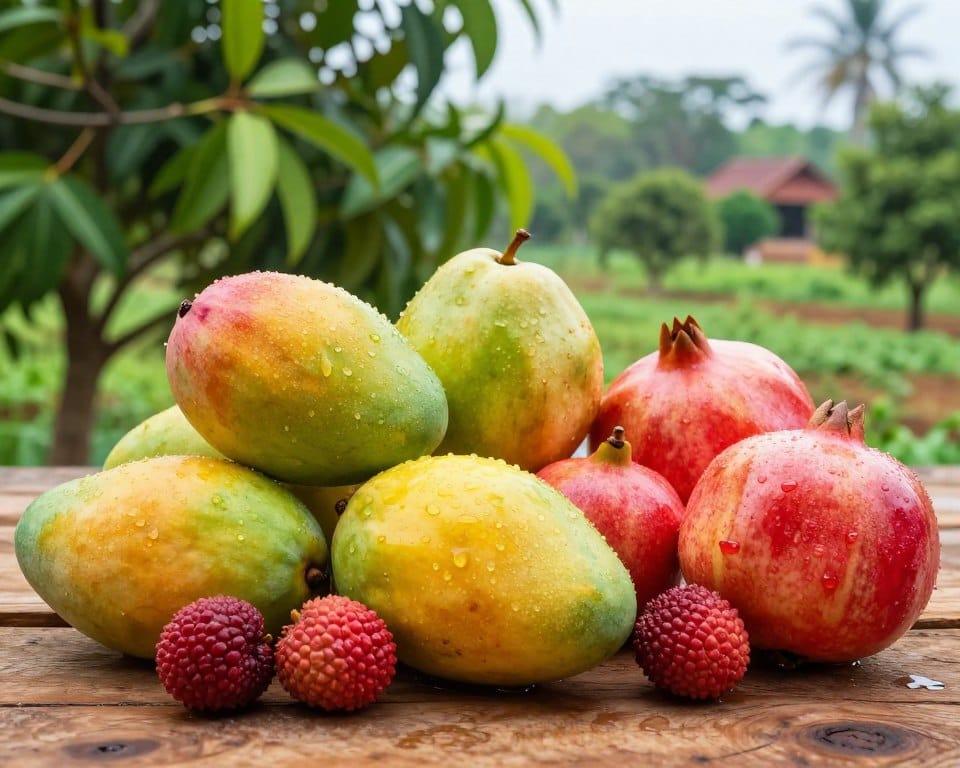
Litchi hotspots and timing
Bihar and West Bengal are the main litchi hubs. Those two states supply most of the well-known harvests and local varieties that shoppers seek.
Why availability shifts by state, altitude, and rainfall
Rainfall and temperature swings change peak dates. A heavy spell in one state can advance ripening by days; a dry stretch can delay it.
Higher altitude areas cool down at night. Cooler nights slow ripening and often improve texture and acidity. That means the same fruit can peak earlier on plains and later in hill districts.
Markets, seasonality, and a quick travel tip
Local markets usually carry more truly seasonal items than large chains, especially during the rainy season. That makes them the best spot for fresh taste and variety.
- Think of seasonal produce as part of a broader fruits vegetables basket—both shift with weather.
- Travel tip: ask vendors what arrived that morning and which varieties hold up best in humidity.
What U.S. shoppers should know: finding Indian monsoon fruits abroad
If you want seasonal South Asian produce while living in the U.S., timing and venue matter. I shop with a short checklist—stores, labels, and a ripeness strategy.
Where to buy
Look first at local Indian grocery stores and South Asian markets in metro areas. Larger global chains (like Whole Foods or international aisles at Trader Joe’s) bring import windows during peak season.
Tip: specialty grocers often get morning shipments—ask staff what arrived that day.
Label checks and ripeness
Always read country-of-origin tags. Choose firm mangoes, pears, or pomegranate if you need a few days; buy aromatic, soft pieces only to be consumed fresh that day.
Avoid leaking clamshells or damp packaging—moisture hides spoilage and invites mold during shipping.
Handling, backups, and health
Soft-skinned items bruise fast in transit, so prefer firmer picks for storage. Frozen mango or frozen cherries are a reliable backup when fresh quality is poor.
Smart buying supports overall health: consistent, safe choices mean you enjoy fruit regularly without waste or risk.
| Where | Common finds | Rare fresh | Quick check |
|---|---|---|---|
| Indian grocery | Mango, pomegranate, pears | Litchi, jamun | Country tag, firmness |
| South Asian market | Seasonal imports, regional varieties | Fresh cherries, delicate custard apple | Packaging dry, no pooled juice |
| Large chains | Frozen mango, some imports | Fresh jamun or litchi | Look for morning restock dates |
Conclusion
A short, practical finish: what to pick, how to store, and why it matters.
Pick two to three top monsoon picks—litchi, mangoes, plums or pomegranate—and buy small amounts so nothing sits too long. Seasonal fruit usually tastes better, costs less, and keeps more vitamins and antioxidants.
Handle produce the same way every time: wash, dry, cut on a clean board, and refrigerate cut pieces fast. That reduces spoilage in humid weather and helps protect food safety and overall health.
Keep portions modest for steady energy and stable blood sugar—pair fruit with protein or nuts for snacks. Ready for more seasonal ideas? See this guide to tropical fruits in season now.
Takeaway: pick 2–3 items, buy small, store right, and enjoy fresh taste without waste.
Leave a Reply