
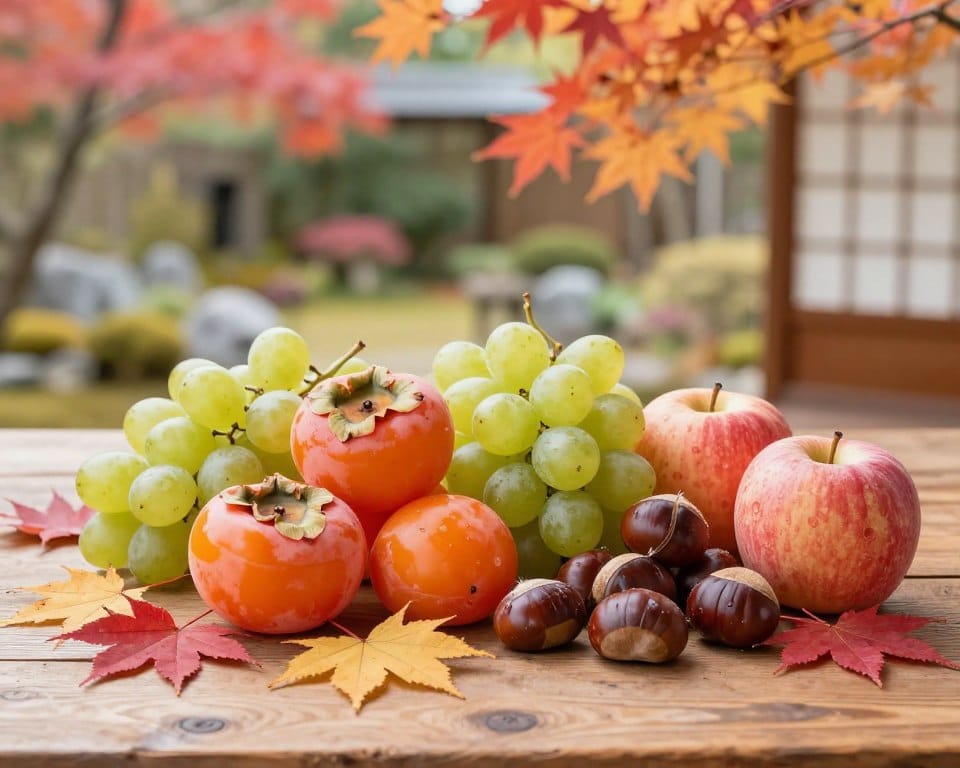
Quick answer: My go-to japanese autumn fruits list for peak flavor: apples, nashi pears, persimmons, grapes, and mikan — each shines in its prime months.
Hook: I still remember the crisp bite of a perfect apple at a market stall — cool air, bright color, a sweet snap. That memory sums up why I chase seasonal produce here.
I frame fall as Japan’s peak eating time — locals call it Shokuyoku-no-Aki — Fall’s Appetite. Harvest windows are tight and each prefecture brands its best picks, so quality can feel very local and special.
I’ll explain what makes fruit shopping different from the U.S.: swift harvests, premium counters, and clear regional names. Expect great taste and sometimes high prices — see this note on costs for travelers: fruit pricing in Japan.
This short guide shows when to eat each item, how to pick the best ones, where to buy, and easy desserts to try. Regional weather shifts change the timing, so I focus on reliable peak windows you can trust.
Key Takeaways
- Peak produce centers on apples, nashi pears, persimmons, grapes, and mikan.
- Shokuyoku-no-Aki highlights Japan’s deep seasonal food culture.
- Harvest timing and prefecture branding affect quality and price.
- Expect premium counters — budget travelers should plan ahead.
- This guide gives when to eat, how to choose, and where to shop.
Quick answer: the best fruits to eat in Japan in autumn
Fast take: I keep a short buy list for quick trips—apples, nashi pears, persimmons, grapes, and early mikan. These hit peak flavor mostly from September through December, with mikan stretching into winter.
Timing note: early September can still have late-summer grapes, while late November shifts toward citrus. Plan your year around those windows if you want top taste.
For fast buys near stations, I rely on three easy options: supermarkets for everyday quality, convenience stores for ready-to-eat packs, and department stores for gift-grade selections.
| Fruit | Best months | Easiest place to buy |
|---|---|---|
| Apples | Oct–Dec | Supermarkets |
| Nashi pears | Aug–Sep | Supermarkets |
| Persimmons | Sep–Dec | Supermarkets / Department stores |
| Grapes | Jun–Oct | Convenience stores / Supermarkets |
| Mikan | Sep–Feb | Convenience stores / Supermarkets |
- 5-minute grab: convenience stores for packed fruit and snacks.
- Better quality quick stop: supermarkets near stations.
- Special occasion: head to a department stores food hall for premium gift fruit.
What “autumn fruit season” means in Japan
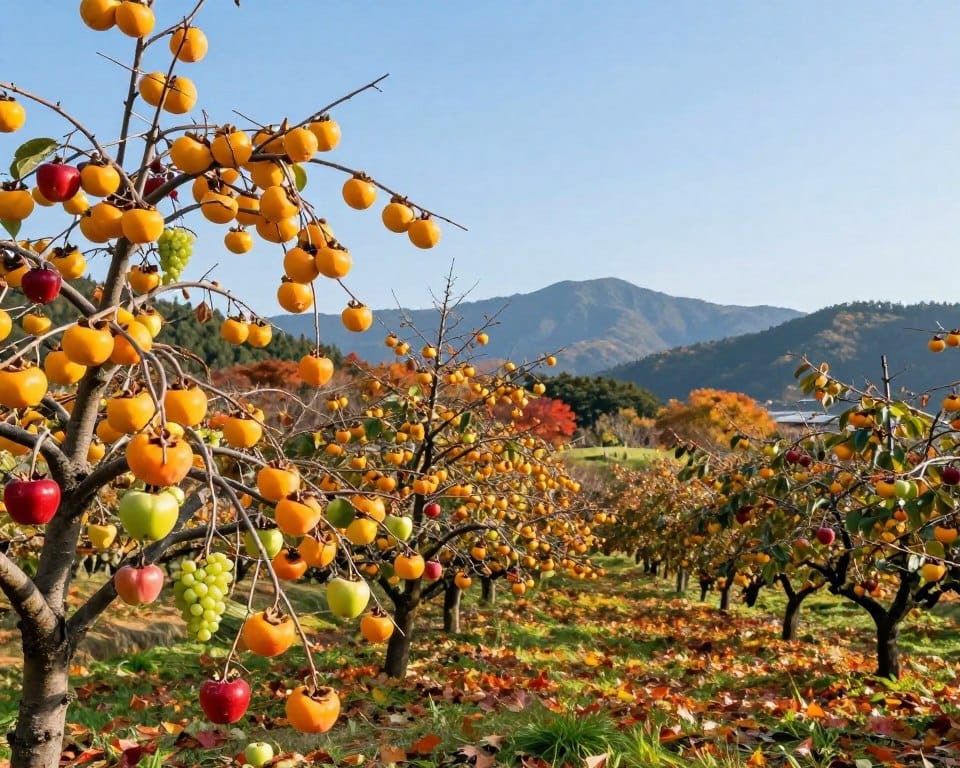
Harvest windows here are tight—when fruit hits peak, it moves fast from field to market. That quick turnover is what I mean by season. The result is brighter flavor and shorter availability.
How the harvest calendar shapes flavor and availability
Growers schedule picking to match ideal ripeness. That short timing boosts sugar and texture. You’ll see clear date tags and “best by” notes at many counters.
Why prefectures and origin labels matter
Labels name one of the 47 prefectures—Aomori apples or Tottori pears are common examples. That label tells you climate, soil, and local techniques that change taste.
Where premium shows up in the real world
Look for perfect color, uniform size, and careful packaging in the depachika and specialty shops. Fruit sold in gift boxes often carries origin stickers and cultivar names.
- People notice origin stickers first.
- Counters in department food basements often set quality standards.
- Neighborhood stores and fruit shops offer a hands-on experience.
This matters for food, desserts, and even restaurants that showcase seasonal ingredients. For travel shoppers, watch labels to pick the best variety and varieties for your taste.
Japanese autumn fruits list: top picks and when to eat them
I map peak months so you know the best time to buy and enjoy each pick. Below is a compact guide with regions, months, and a quick texture note to help you plan tastier stops.
| Fruit | Peak months | Common prefectures | What to expect |
|---|---|---|---|
| Apples | Oct–Dec | Aomori | Crunchy; Fuji and Sun Fuji offer high sweetness. |
| Pears (nashi) | Aug–Sep | Chiba, Tottori (Nijisseiki) | Very juicy and crisp—great for chilled snacks. |
| Persimmons | Sep–Dec | Multiple prefectures | Fuyu = firm and sliceable; Hachiya = soft, jelly-ripe. |
| Grapes | Jun–Oct | Nagano, others | Kyoho and Muscat styles; aroma-forward and sweet. |
| Mikan (mandarin) | Sep–Feb | Ehime, Wakayama (Arida) | Easy-peel citrus; winter crossover favorite. |
Quick tip: Look for origin stickers—prefectures matter. They tell you the growing climate and often the best flavor by time of year.
Flavor notes, textures, and easy ways to eat each fruit
Good produce shows its character fast. Look, sniff, and press lightly—sound and feel tell the tale. Below I describe what to expect at the first bite and simple ways to enjoy each item.
Apples — crisp snacks and warm bakery hits
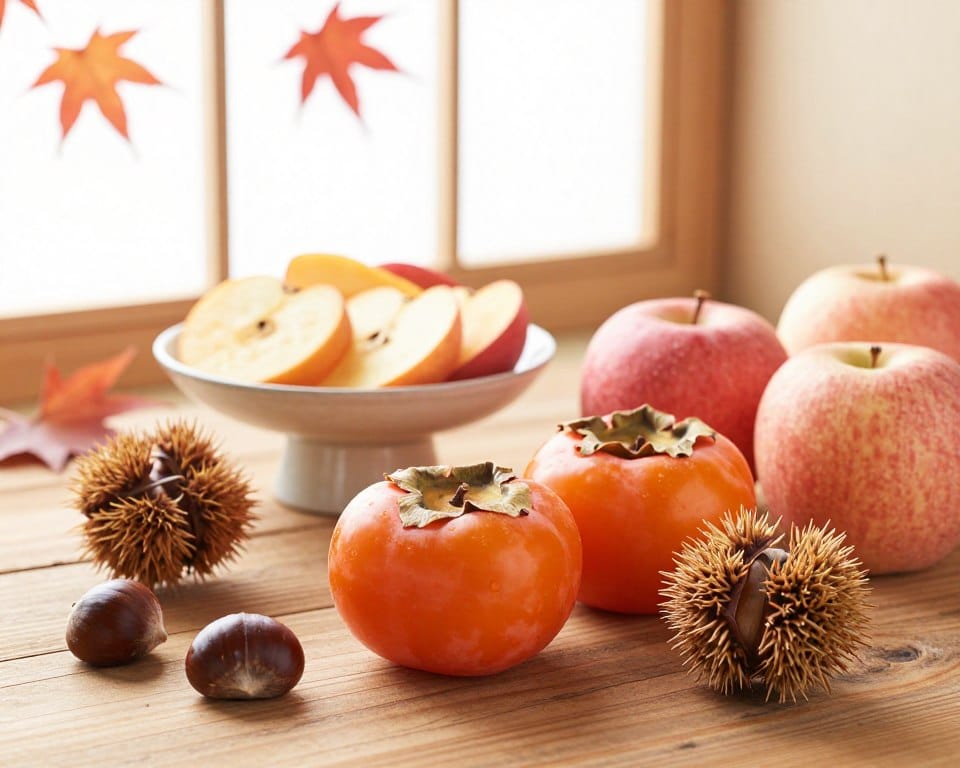
Apples give a clean snap and bright aroma. Bite them raw for a crunchy snack. They also press into vibrant juices and seasonal ciders.
Try sliced apples in warm pies or simple cakes. A dab of cream or a spoon of ice on the side makes a cozy dessert.
Nashi pears — juicy crunch for quick treats
Nashi pears deliver a high-juice crunch and mild sweetness. They are perfect chilled and eaten plain in a hotel room or sliced over yogurt.
Persimmons — two very different textures
Fuyu persimmons stay firm and slice well. Hachiya becomes soft and almost spoonable when fully ripe. Both are lovely dried—think hoshigaki-style—if you need a travel-friendly option.
Grapes — big, fragrant or sleek seedless
Grapes range from large, juicy Kyoho to fragrant Muscat types. Seedless varieties are on the rise. Eat them by the bunch, or halve and serve over shaved ice for a fast dessert.
| Fruit | Texture | Easy pairing |
|---|---|---|
| Apples | Crunchy | Pie, cakes, cream |
| Pears | Juicy crisp | Chilled slices, yogurt |
| Persimmons | Firm or jelly-soft | Fresh slices, dried |
| Grapes | Juicy or aromatic | Seedless snack, over ice |
For more on the best picks and timing, see my guide to the best picks of the harvest.
Where to buy autumn fruit in Japan (and what to expect)
I map the best buying spots so U.S. visitors can get peak produce fast. Start at major stations and you’ll find sensible options for every budget.
Supermarkets and neighborhood fruit shops
Supermarkets are your everyday go-to—good selection at fair prices. Look for origin stickers and seasonal signage in local stores. Small fruit shops often let you mix pieces and ask about ripeness.
Convenience stores for fast snacks
Convenience stores near stations sell cut fruit cups and limited-time sweets. They’re ideal when you need something ready-to-eat between trains.
Department stores and depachika
Department stores (depachika basements) showcase gift-grade produce. Expect perfect specimens, careful wrapping, and higher prices—great for special treats or edible souvenirs.
Specialty shops and fruit cafés
For a splurge, try fruit cafés that serve parfaits and seasonal desserts by the piece. You get peak flavor without buying a whole box—perfect for a short trip experience.
“Sembikiya (est. 1834) and Shinjuku Takano (est. 1885) are reliable names—find them in major department stores and near Tokyo hubs.”
- Quick travel tip: depachika and specialty shops cluster around transit areas—easy on transportation and time.
- Budget move: buy at supermarkets; treat yourself at cafés or department counters.
Best fruit desserts and souvenirs that travel well
On a short trip I pick desserts that show fresh flavor but survive a suitcase. They give the taste without the risk of spoilage. I order these in city cafés and department food halls.
City dessert picks that taste like peak season
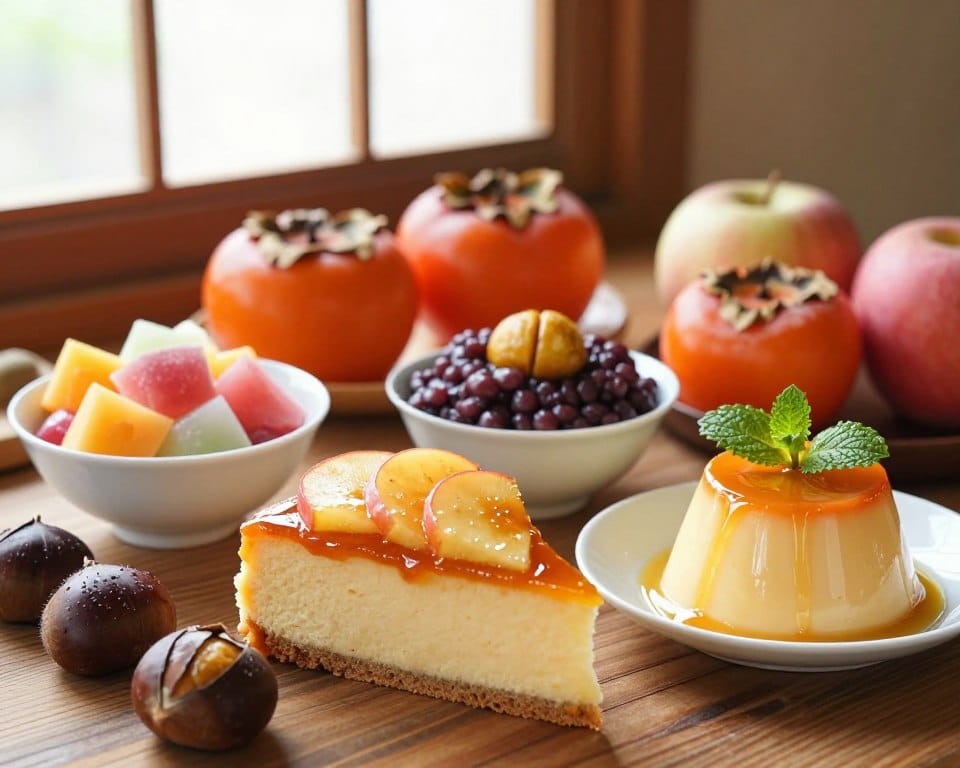
Fruit parfaits are my go-to for seasonal aroma and texture. They layer fresh pieces, cream, and crunchy toppings. They’re perfect when you want a single-serve taste.
Fruit sandwiches are portable and neat—soft bread, cream, and ripe slices. Mille-crepe cakes from shops like Harbs use six thin crepes, fruit, and cream for silky layers that feel special.
Packable souvenirs that survive the trip
Avoid fresh whole fruit for U.S. returns. Instead choose sealed items: Orihiro Purunto Fruit Jelly, dried fruit, or small jars of jam. These keep well in luggage and won’t bruise.
Important: fresh fruit may be restricted by U.S. customs. Check USDA APHIS guidance at https://www.aphis.usda.gov/bring-agricultural-products-into-us before you pack.
For more seasonal picks and timing, see my strawberry season guide.
How to pick great fruit and store it during your trip
A few quick senses—look, lift, press—save time and get better flavor on the road. I use tiny checks that fit into a short shopping stop and hotel routine.
Apples — color and weight
Pick apples with strong skin color and a heavier feel for their size. Check the bottom for a yellow or orange tinge—that often links to higher sweetness.
Mikan (citrus) — heavy wins
Choose mikan that feel heavy for their size. A stem that leans yellow is a simple cue that the fruit is ripening and will have better taste.
Pears and persimmons — firmness and bruise care
Gently press pears and persimmons near the stem—firm gives longer hold; slight give means ready to eat. Avoid pieces with deep soft spots to prevent bruising in your bag.
Smart hotel storage — simple rules
- Room temp: apples and pears last fine on a counter for a few days.
- Mini-fridge: mikan and cut fruit — store chilled for best flavor.
- Eat same-day: ripe persimmons and soft pieces for peak taste.
| Item | Store in | Quick check |
|---|---|---|
| Apples | Counter / fridge | Color + heavy |
| Mikan (citrus) | Fridge preferred | Heavy; yellowing stem |
| Pears | Counter | Firm; avoid bruises |
| Persimmons | Eat soon / fridge | Gentle press; dark spots can be normal |
For travel convenience, buy small amounts more often. This way keeps fruit fresh and saves you packing hassle while giving reliable selection information.
Conclusion
Short visits pay off most between September and December, when flavors hit their stride.
I recommend the same top picks: apples, pears, persimmons, grapes, and mikan—each shows peak sweetness and aroma in that season.
For easy shopping, hit supermarkets for daily picks, convenience stores for quick snacks, and department stores (depachika) for gift-grade quality and variety.
When time is tight, order a fruit dessert at a café or restaurant for the tasting experience without the bulk. For souvenirs, choose sealed jellies, jams, or dried treats.
One practical travel note: check USDA APHIS rules before packing fresh produce. Want more on peak timing and origins? See my guide to the best picks of the harvest.
Final tip—buy small, eat fresh, and enjoy the seasonal way food shines while you plan around transportation and budget during your trip.
Leave a Reply