
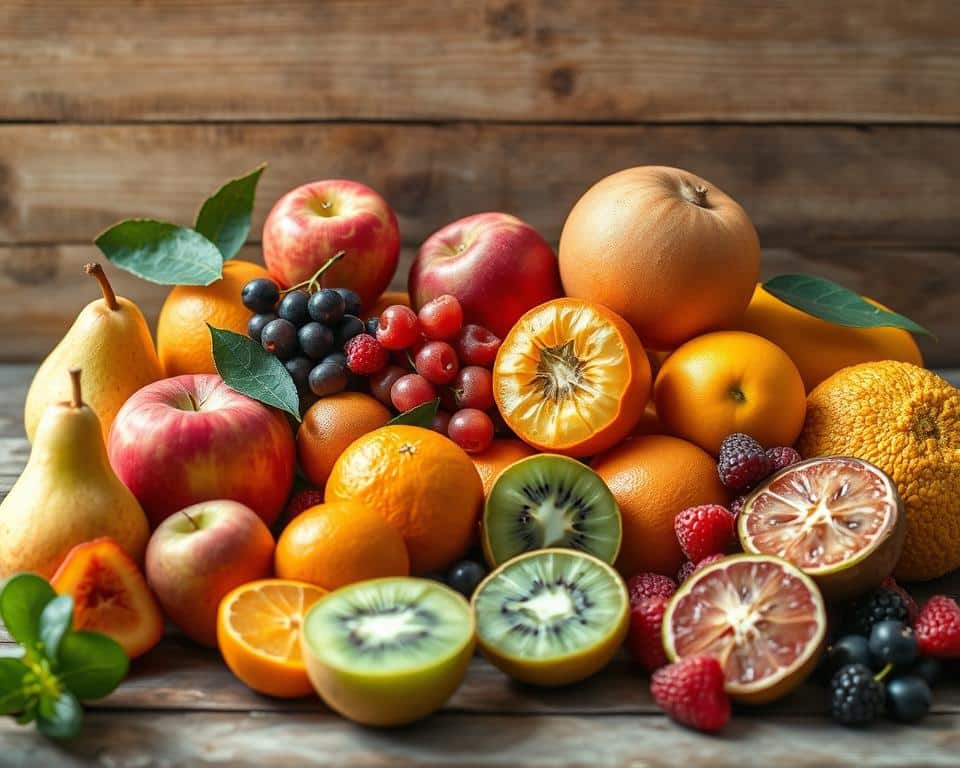
I keep a short, practical soluble fiber fruits list on my phone—so I can grab a quick, tasty option that helps my heart and gut. I love the contrast of a juicy pear or creamy avocado; the texture tells you it’s doing something good for your body.
U.S. guidelines say women should aim for 25 g/day and men 38 g/day, yet most people get about 16 g/day. Soluble fiber helps lower LDL and steady blood sugar, so adding a few targeted servings makes a real difference.
I made this list to be actionable—grams per serving, easy ways to eat more each day, and picks you can prep in minutes. Scan, pick a fruit you like, and enjoy it today. 🍓
Key Takeaways
- I offer a quick, evidence-backed guide to which fruit pack the most soluble benefits. ✅
- U.S. goals: 25 g/day for women, 38 g/day for men; average intake is ~16 g/day.
- Small swaps—whole fruit over juice—protects nutrients and boosts intake.
- Expect real health wins: lower LDL cholesterol and steadier energy levels.
- Want a fast reference? See my detailed serving guide at soluble fiber fruits list.
Quick answer: Best fruits for soluble fiber now
Here’s the fast take — reach for berries, pear, or avocado when you want measurable grams. I keep choices simple and evidence-based so you can eat well today. 😊
- Raspberries, blackberries — ~8 grams per cup.
- Pomegranate arils — ~7 grams per cup; guava ~9 grams per cup.
- Pear — ~5.5–6 grams each (≈1.5 g soluble per fruit).
- Avocado — ~13.5 grams each; about 2.1 g soluble per half.
- Passion fruit — ~25 grams per cup; dried figs ~7.3 g per 1/4 cup (~1.9 g soluble).
Why whole fruit beats juice: juicing removes the bulk that supports regular bowel movements and fullness. Whole options keep fiber per cup intact and deliver real health benefits. I blend whole produce when I want a smoothie—then the grams stay with me. 🥤
What soluble fiber is and why it matters
Soluble fiber works quietly: it soaks up water and slows digestion to help your body use food better. I like to think of it as a gentle gel that eases the digestive ride and smooths energy after meals. 😊
Research backs real gains—the Academy of Nutrition and Dietetics (EatRight) and meta-analyses in Lancet link higher dietary fiber with lower LDL cholesterol and better post-meal glucose control. The Dietary Guidelines note benefits for heart and gut health.
To compare: insoluble fiber adds bulk and speeds transit, while the gel-forming part slows digestion. In fruit, pectin is the main soluble star—apples, pears, and citrus show up often. Oats and barley bring beta-glucan, which partners well with fruit for bigger gains.
“Soluble fiber dissolves in water to form gels, slowing digestion and improving LDL cholesterol and postprandial glucose.”
- Soluble dissolves and soothes the gut.
- Mixing soluble insoluble types gives the best results for the body.
- Small swaps—add oats or whole fruit—raise grams without fuss.
| Source | Main soluble type | Typical role |
|---|---|---|
| Apples / pears | Pectin | Forms gentle gel; supports cholesterol |
| Oats / barley | Beta-glucan | Proven LDL and glucose benefits |
| Whole grains + fruit | Mixed types | Balanced digestion and steady energy |
soluble fiber fruits list
Bright, portable options make it easy to hit extra grams while you’re on the go. I keep servings simple—so you know the exact boost each choice gives.
Berries
- Raspberries — ~8 grams per cup; high in antioxidants and texture.
- Blackberries — ~8 grams per cup; bold and tangy.
- Blueberries — ~4 grams per cup; sweet and easy to add to oats.
- Strawberries — ~3 grams per cup; bright and refreshing.
Pome picks
- Pear — ~5.5–6 grams each (≈1.5 g soluble); juicy and travel-friendly.
- Apple — ~4 grams each (≈1 g soluble); crisp with pectin power.
Tropical & others
- Passion fruit — ~25 grams per cup; an outlier for grams per serving.
- Guava — ~9 grams per cup (~1.1 g soluble per fruit); fragrant and bright.
- Kiwi — ~5 grams per cup; tart and nutritious.
- Mango — ~3 grams per cup; smooth and sweet.
- Avocado — ~13.5 grams each (≈2.1 g soluble per half); creamy and versatile.
- Dried figs — ~7.3 grams per 1/4 cup (~1.9 g soluble); chewy, sweet snack.
- Orange — ~3 grams each; pomegranate arils — ~7 grams per cup.
Quick note: the numbers show grams per serving and help compare fiber content at a glance.
| Category | Example | Serving | Approx. grams |
|---|---|---|---|
| Berries | Raspberries | 1 cup | ~8 g |
| Pome | Pear | 1 medium | ~5.5–6 g |
| Tropical | Passion fruit | 1 cup | ~25 g |
| Other | Avocado (half) | ½ fruit | ~2.1 g |
Top fruits by soluble fiber grams
I like to rank options by grams per serving so choices are clear and quick. That way you can pick snacks that move your daily totals without fuss. 😊
Leaders per serving size (approximate grams per portion)
- Avocado — ~2.1 grams per half (great for savory sides).
- Dried figs — ~1.9 grams per ¼ cup (concentrated bite).
- Pear — ~1.5 grams per medium (portable and juicy).
- Nectarine — ~1.4 grams each; apricots — ~1.4 grams per 3.
- Apple — ~1.0 gram per medium; guava — ~1.1 grams per fruit.
How skin and variety change fiber content
Keep the skin when it’s edible — the peel adds nontrivial grams fiber with zero prep. Apples and pears vary by variety; crisper types often have a heartier peel and a bit more fiber content.
| Item | Serving | Approx. grams per |
|---|---|---|
| Avocado | ½ fruit | ~2.1 g |
| Dried figs | ¼ cup | ~1.9 g |
| Pear | 1 medium | ~1.5 g |
Quick tips: use these grams per serving to plan snacks, rotate options for variety, and favor whole pieces over juiced versions to protect dietary gains.
Avocado spotlight: soluble plus insoluble power
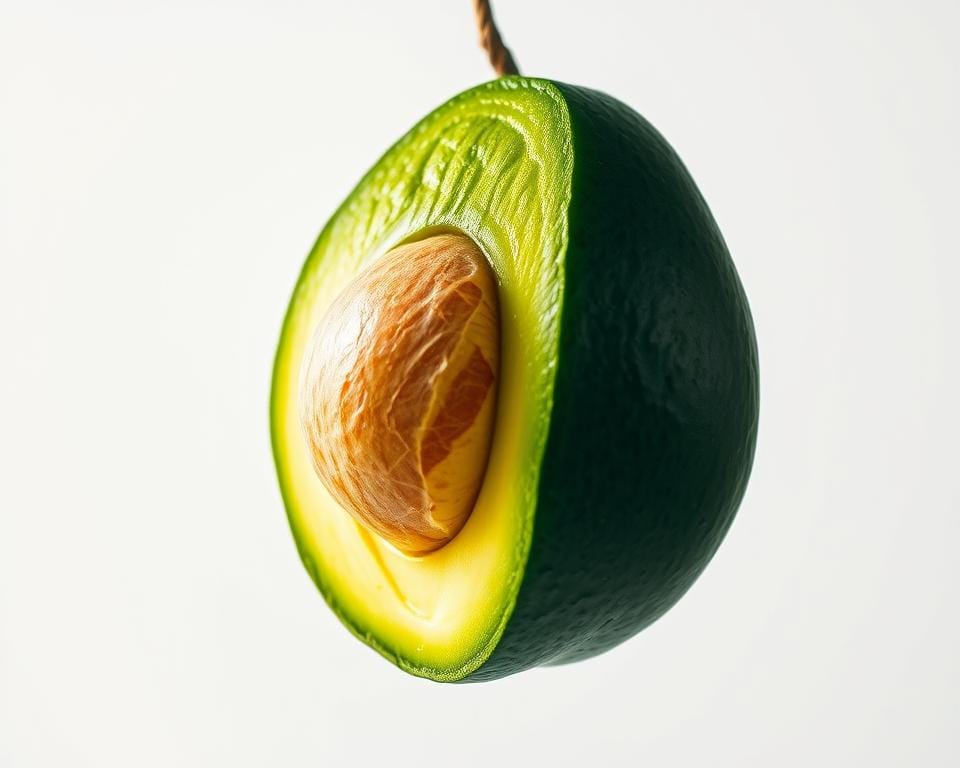
Avocado is creamy, filling, and nutrient-dense—an easy way to add both gel-forming and roughage to a meal. I use it to boost texture and satiety. 🥑
One whole fruit has about 13.5 grams total, and one-half supplies ~2.1 g of soluble fiber. That combo of soluble and insoluble fiber helps slow digestion and keeps bowels moving.
Avocado brings monounsaturated fats and potassium too—so it’s more than bulk. These fats support heart health and can help improve cholesterol when paired with a balanced diet.
- Half avocado ≈2.1 g soluble plus plenty of insoluble—great pair. 🥑
- Monounsaturated fats add creaminess and staying power.
- Pair with greens or whole grains for a filling, nutrient-rich bowl.
- I mash it on whole-grain toast or dice it into salads to track grams easily.
| source | Serving | Approx. grams (total) | Soluble per serving |
|---|---|---|---|
| Avocado (whole fruit) | 1 fruit | ~13.5 g | ~4.2 g (est.) |
| Avocado (half) | ½ fruit | ~6.8 g | ~2.1 g |
| Avocado (salad portion) | ⅓ fruit | ~4.5 g | ~1.4 g |
Berries spotlight: high fiber and antioxidants
Small handfuls of berries punch above their weight for taste and nutrition. I reach for them when I want a quick, colorful snack that still counts toward daily grams.
Raspberries and blackberries deliver about 8 grams per cup—my go-to, fiber-packed snack. 🍓
- Blueberries give roughly 4 grams per cup; strawberries around 3 grams—sweet balance and texture.
- Color matters—deep hues signal polyphenol antioxidants that support overall health.
- Sprinkle a cup over oats or yogurt for an easy, tasty source of extra grams.
- Frozen berries keep the same nutrition—great for smoothies or quick bowls year-round.
- I blend berries with kefir for a fast, fiber-forward smoothie I actually look forward to.
Short serving notes: a cup is a simple portion to track; mix varieties to keep snacks exciting. These small swaps add meaningful grams and antioxidants without fuss.
Citrus and pomegranate: vitamin C with fiber
Fresh citrus and jewel-like pomegranate arils boost hydration and meaningful grams in one bite. I reach for them when I want vitamin C plus texture—bright, juicy, and satisfying. 🍊
Why they matter: An orange gives about ~3 g fiber per fruit and brings several ounces of water for light hydration. Pomegranate arils deliver roughly ~7 g per cup—tart pops that add real fiber per cup to a salad or bowl.
I always choose whole pieces over juice—juicing strips out the bulk and cuts grams per serving. The peel and inner pith of citrus contain pectin; the membranes and arils are the real source of the dietary boost.
- I toss a cup of arils on greens for crunch and color.
- I scoop orange segments into lunch for a quick, bright side.
- Simple habit: whole pieces keep the skin benefits and the water content intact.
| Item | Typical serving | Approx. grams |
|---|---|---|
| Orange | 1 medium | ~3 g |
| Pomegranate arils | 1 cup | ~7 g |
| Citrus membranes | Segments (edible) | Adds pectin, small grams |
Stone fruits and figs: gentle options for regularity
Soft, juicy stone picks and chewy figs make easy additions that support steady bowel movements. I reach for these when I want calm, reliable results — not a dramatic change.
Nectarine offers about ~2.4 grams total per fruit with roughly ~1.4 g soluble. It’s smooth and juicy — easy to slice into breakfast.
Apricots deliver ~2.1 grams for three fruits with ~1.4 g soluble. They taste mellow and work well chopped into cereal.
Dried figs are concentrated — ~7.3 grams per ¼ cup and about ~1.9 g soluble. A small portion goes a long way for gentle regularity.
I use these to support bowel comfort and steady movements. Start small if your gut is sensitive — your system adapts better that way. 😊
| Item | Serving | Approx. grams | Soluble per serving |
|---|---|---|---|
| Nectarine | 1 medium | ~2.4 g | ~1.4 g |
| Apricots | 3 small | ~2.1 g | ~1.4 g |
| Dried figs | ¼ cup | ~7.3 g | ~1.9 g |
Apples and pears: pectin-rich everyday picks
Apples and pears are easy, tasty picks that add real grams to your day. I grab them for texture and a mild, sweet bite. 🍐🍎
Pectin is the key—this gel-forming type is the main source of soluble fiber in these fruits. Keep the skin on when possible—much of the benefit lives there, and it ups the total fiber per serving.
Quick serving notes I use daily:
- Pear — ~5.5–6 g total with ~1.5 g soluble per medium; soft and portable.
- Apple — ~4 g total with ~1 g soluble per medium; crisp and easy to slice.
- Slices with nut butter make a filling snack—simple way to add grams per bite.
- Bake pears with cinnamon for a warm dessert or toss diced apple into salads for crunch.
| Item | Serving | Approx. grams |
|---|---|---|
| Pear | 1 medium | ~5.5–6 g |
| Apple | 1 medium | ~4 g |
| Tip | Keep skin on | Boosts fiber per serving |
How much fiber per day in the United States
Most Americans fall short of recommended daily totals, but small swaps make a big difference. I track simple targets so my choices stay practical and tasty. 😊
Targets: The Dietary Guidelines for Americans recommend about 25 g per day for women and 38 g per day for men.
Reality check: Average intake in the U.S. is roughly 16 g per day, so there’s room to grow. Sources: EatRight and national nutrition surveys confirm this gap.
Smart, short strategies to close the gap
- Add one cup of berries or a pear to a meal — fast extra grams fiber that fit any routine.
- Swap juice for whole pieces — keep skin and membranes; blending keeps the bulk too.
- Pair fruit with whole grains, oats, or beans so each plate gives steady energy and more grams fiber.
- Batch-prep a fruit bowl or portion cups for grab-and-go mornings — saves time and keeps you on track.
- Track intake for a week — you’ll find easy swaps and steady wins for health and diet.
| Metric | Recommendation / Reality | Quick tip |
|---|---|---|
| Women | 25 g per day (Dietary Guidelines Americans) | Add 1 pear or a cup of berries |
| Men | 38 g per day (Dietary Guidelines Americans) | Include oats + avocado in a meal |
| Average U.S. intake | ~16 g per day | Swap juice for whole produce; add beans or grains |
Soluble vs insoluble fiber at a glance
Think of these two types as teamwork—each helps your gut and body in different ways. I use both every day to keep energy steady and digestion calm. 😊
Soluble soaks up water and forms a gentle gel that slows digestion and steadies glucose—great for cholesterol support (EatRight). Insoluble adds bulk and helps your body keep moving on schedule.
- Gel type: apples, pears, and citrus provide pectin—the goo that slows digestion.
- Bulk type: whole grains and vegetables add roughage for regularity.
- Grains like oats and barley bring beta‑glucan—pair them with fruit for a stronger effect.
- Mix and match at meals—simple, reliable coverage every day.
| Type | How it works | Practical foods |
|---|---|---|
| Gel-forming | Soaks up water; slows digestion | Apples, pears, oats, barley |
| Bulking | Adds volume; speeds transit | Whole grains, leafy greens, veggies |
| Daily tip | Combine types each meal | Oat bowl with berries or apple + grain salad |
Simple ways to eat more fiber-rich fruit
Small, practical swaps turn everyday snacks into easy nutrition wins. I keep ideas simple so you can use them today—no fancy prep required. 😊
Breakfast ideas
Oats + berries: 1 cup raspberries over hot oats adds a big boost and beta‑glucan from the grains. 🥣
Yogurt bowl: Top plain yogurt with kiwi and chia for tang, texture, and key nutrients.
Snacks and salads
Snack: Apple slices with peanut or almond butter—portable and satisfying. I pack this for quick midday hunger.
Salad: Toss avocado with citrus segments, greens, and pumpkin seeds—healthy fats and vitamin C in every bite.
Desserts and smoothies
Dessert: Bake pears with cinnamon for a warm, low-effort treat.
Smoothie: Frozen berries blended with kefir—keep the skins on to keep the grams per serving.
- Add vegetables like carrots to snack plates for crunch and balance.
- My way: set out fruit at eye level—makes the better choice the easy choice.
- Keep a mix of fresh and frozen so you’re never out of a good source.
| Meal | Quick combo | Key benefit |
|---|---|---|
| Breakfast | Oats + raspberries | Beta‑glucan from grains; extra grams per cup |
| Snack | Apple + nut butter | Portable energy; lasting satiety |
| Salad | Avocado + citrus | Healthy fats and vitamin C |
Increase intake safely
Slow changes beat sudden ones—this is how I add more fruit without upset. Start small and let your meals adjust over a few weeks. That lowers the chance of cramps or gas and helps your routine stick.
Go slow, drink water, and watch GI comfort
Increase your intake gradually—add one extra portion every few days. This gives your gut time to adapt and cuts the risk of bloating.
Drink extra water as you add fruit—hydration helps the gel-forming parts work and eases movement through the system. I aim for a glass with each snack. 💧
Spread servings across meals for steady results. That supports regular bowel movements and keeps your body comfortable.
If you feel uncomfortable, pause and reduce portions. Start with softer picks like pear or kiwi and build from there. Consistency matters more than perfection—small, steady changes support long-term health.
- Tip: Track how you feel for a week—bloating usually eases as you adapt.
- Tip: Mix whole pieces with oats or yogurt to balance the fiber load.
SEO title and meta description
I’ll set a compact title and a precise meta that help searchers find this guide fast — and that reflect U.S. recommendations and grams-per-cup detail. 😊
Title
Top Fruits High in Soluble Fiber
Meta description
A practical soluble fiber fruits list with grams per cup and per fruit, benefits for heart and gut health, and easy meal ideas. Evidence-based guidance for the U.S.
“Clear titles and meta descriptions improve click-through and match user intent—especially for health queries referencing the Dietary Guidelines for Americans.”
Quick SEO notes:
- Title ≤60 characters and includes the primary term for visibility.
- Meta is 150–160 characters and mentions grams per cup, heart and gut benefits, and U.S. guidance.
- Keywords placed naturally to meet reader queries like “fiber per cup” and “contains grams fiber.”
| Element | Content | Why it helps |
|---|---|---|
| Title | Top Fruits High in Soluble Fiber | Concise, searchable, includes key phrase |
| Meta | Practical guide with grams per cup and per fruit; heart and gut benefits; U.S. evidence-backed tips | Targets search intent and user needs; mentions Dietary Guidelines for Americans |
| Image | Centered visual showing concept | Improves engagement and aids SERP snippets |
| Keywords | dietary guidelines americans; soluble fiber; fiber per; grams per cup; contains grams fiber; cup; fiber | Balanced use to match queries without stuffing |
Conclusion
Tiny habits—like keeping a pear or a cup of berries nearby—make daily progress real. Pick one small swap today and you’ll see steady gains in grams and satiety. 🍎
Quick wins: add a cup of berries or pomegranate arils, keep skins when edible, and choose whole over juice. These moves deliver clear benefits for heart and gut health and raise your intake vs the U.S. average (~16 g).
Aim for 25–38 g/day and mix gel‑forming and roughage — avocado, figs, citrus, pears, and oats are useful sources. Pair with beans and vegetables so your body gets steady support from a balanced diet. I keep it simple: fruit‑forward plates most days—tasty, doable, and effective. 😊
Leave a Reply