
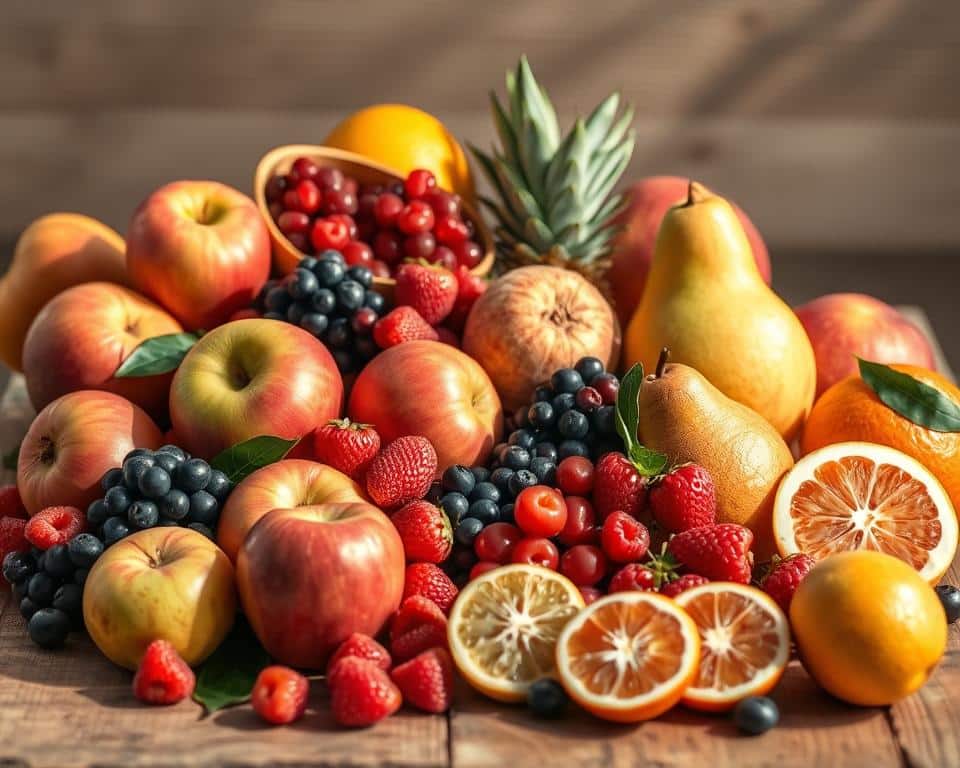
Quick answer: I pick simple, fresh choices — apples, pears, melon (not watermelon), peaches, nectarines, and persimmon — based on SIGHI and common guidance. I’ve kept the picks practical so you can eat tasty, safe snacks fast. 🍎
I built this short guide to help you spot fresh, juicy options that tend to cause fewer reactions. I cite SIGHI, Cleveland Clinic, and BBC Good Food so you get trusted tips on testing and storage.
Freshness matters — overripe or bruised pieces often raise levels, so shop firm and store cool. Cleveland Clinic notes about 1% of people report intolerance and suggests a 3–4 week elimination to test response.
Practical edge: I link each pick to breakfasts, snacks, salads, and salsas without vinegar — plus a simple testing plan and notes on meds or conditions that can increase body levels.
Key Takeaways
- Choose fresh, firm produce—avoid bruised or overripe pieces.
- Core picks include apples, pears, melon, peaches, nectarines, persimmon.
- Try a 3–4 week elimination to check your response (Cleveland Clinic).
- Store cool and eat soon after cutting—BBC Good Food emphasizes freshness.
- SIGHI compatibility helps narrow safer options quickly.
Quick answer: the best low-histamine fruits right now
Quick answer: pick firm, fresh produce that most people tolerate — apples, pears, melon (not watermelon), peaches, nectarines, persimmon, and pomegranate. I favor things that are crisp and eaten soon after purchase. 😊
Snapshot: my go-to picks are apples, pears, cantaloupe/honeydew, peaches, nectarines, persimmon, dragonfruit, and lychee. I also trial blueberries or cranberries in small portions if I feel okay. This short list reflects SIGHI guidance and practical kitchen sense.
“Processing and aging can raise histamine in foods; freshness matters.”
Storage matters because bacteria and enzymes keep working after harvest — warm temps speed that process. Studies show higher histamine levels in aged products stored at room temperature versus cold. BBC Good Food and SIGHI both stress buying firm pieces and keeping them cool.
- Tip: Buy firm, avoid soft spots or mold.
- Keep fruit chilled and eat within a short time.
- If symptoms appear, cut portion size or use frozen single-ingredient options as a backup.
Takeaway: buy fresh, store cold, and eat soon — that timing helps lower risk and keeps your diet more comfortable.
Low histamine fruits list
I favor crisp, easy-to-find picks that most people tolerate well. I buy these weekly and keep them chilled. 😊
Core choices supported by SIGHI
- Weekly staples: apples, pears, melon (avoid watermelon for suspected liberator effects), peaches, nectarines, persimmon, pomegranate — SIGHI notes many as well tolerated.
- Berries with lower risk: blueberries, blackberries, cranberries — buy single-ingredient packs and avoid mixed blends with strawberries.
- Stone-fruit tips: eat peaches and nectarines fresh and firm; refrigerate after cutting.
Options to trial in small portions
- Try dragonfruit and lychee in small serves first — watch your response.
- Cherries are controversial on SIGHI; grapes and mango show mixed results.
- Trial method: 1/4–1/2 cup, wait 24–48 hours, and log any symptoms.
- Practical tip: rotate varieties and use frozen single-ingredient produce late in the week to keep the diet varied and safer.
For a handy comparison to related produce choices see a low-FODMAP comparison.
Evidence check: histamine intolerance and DAO
Let’s check the evidence on how histamine and digestive enzymes shape reactions in the body. I’ll keep this factual — with practical notes you can use when choosing food and testing your tolerance. 😊
What histamine does and why levels vary
Histamine is a signaling molecule that helps immune response, sleep, and cognition. Mast cells — a type of immune cell — release it when the body reacts to triggers.
When release or intake exceeds breakdown, histamine levels rise and can cause flushing, headache, hives, runny nose, bloating, diarrhea, low blood pressure, or palpitations. About 1% of people report histamine intolerance, so it’s uncommon but real (Cleveland Clinic).
DAO’s role and factors that reduce it
Diamine oxidase (DAO) is the main gut enzyme that degrades dietary histamine. HNMT works inside cells as a secondary pathway.
Reduced DAO activity — from drugs, alcohol, gut issues, or genetics — lets histamine build in the blood. Processing, aging, and poor storage raise histamine in foods; for example, cheeses stored at 22°C show higher levels than those kept at 4°C.
- Prevalence: ~1% may have histamine intolerance (Cleveland Clinic).
- Common triggers: meds, alcohol, gut inflammation — these can lower DAO.
- Practical test: a 3–4 week elimination and careful reintroduction helps identify problem foods (SIGHI guidance).
| Factor | Effect on histamine levels | What to do |
|---|---|---|
| Reduced DAO (meds, gut issues) | Higher blood histamine | Review meds with your doctor; treat gut health |
| Food processing & aging | Increased histamine in foods | Choose fresh, chill quickly, eat soon after cutting |
| Alcohol & certain drugs | Block DAO or release more histamine | Limit alcohol; check drug interactions |
Fruits commonly limited due to higher histamine or liberation
I’ll point out the common culprits so you can pause or test carefully. I name what most sources flag and give quick, practical tips for trying them.
Often limited: clear cut offenders
Citrus — lemons, limes, and oranges — show up on many caution pages. Strawberries, banana, pineapple, and papaya also appear frequently as high histamine or liberators.
Debated picks and how to test
Raspberries score higher on SIGHI; some tolerate small amounts, others don’t. Cherries are controversial — try a tiny portion only if you usually handle stone fruit well.
Grapes and kiwi show up inconsistently across sources. If you trial them, use very small serves and log any symptoms.
Practical, short rules
- Avoid mixed berry packs with strawberries — they can push your threshold fast.
- In a flare, pause these suspects before changing your whole diet.
- Test debated items one at a time — single small portion, wait 24–48 hours, note reactions and overall levels of tolerance.
Takeaway: limit the usual suspects first; test contested choices slowly and alone. This keeps your approach specific and safe when managing histamine fruits in daily eating.
Fresh vs frozen vs dried fruit: impact on histamine
Fresh first: I choose firm, unbruised pieces — soft spots and mold mean more risk. SIGHI and clinical notes link age and damage to higher histamine content in produce.
Choosing fresh fruit
Pick firm, colorful pieces with no soft spots. Chill them at home — cold slows microbes and enzyme activity that raise histamine.
Cut fruit? Eat it the same day. Don’t leave trays at room temperature for hours.
When frozen is a smart alternative
Single-ingredient frozen packs can be a safe backup — they’re often frozen quickly at peak ripeness, which stabilizes histamine levels.
Scan labels and avoid mixed products that include suspects like strawberries if you are cautious.
Dried fruit: sulfites and preservation caveats
Dried items often carry sulfites or preservatives that can trigger sensitivity. SIGHI notes slow-dried, unsulfured products may be tolerated by some.
Choose unsulfured, single-ingredient products and keep portions small.
- Takeaway: keep the cold chain, read labels, and use fresh or single-ingredient frozen options to manage your day-to-day diet.
Best picks by category: everyday, seasonal, occasional
I keep a few steady picks on hand that make everyday meals simple and tasty. These choices work in breakfasts, salads, and quick snacks — and they travel well for lunchboxes.
Everyday staples
Everyday staples I buy weekly: apples, pears, cantaloupe, and honeydew. They are versatile, easy to portion, and hold texture.
Tip: whole apples and firm pears make easy lunchbox options. Cut melon just before eating.
Seasonal highlights
Seasonal picks I jump on include peaches, nectarines, and persimmon. Buy firm fruit, chill it fast, and eat within a day or two after cutting.
Occasional or individual-tolerance picks
Cranberries often sit well for many people — try them in small portions first. Mango is more mixed across sources; test a tiny serve and note your response.
“Rotate two to three types each week to keep variety without stacking risk.”
- Rotate 2–3 items weekly to keep your diet varied.
- Keep a freezer bag of single-ingredient berries for quick breakfasts.
- One higher-histamine choice may be fine alone — stacking suspects raises risk.
| Category | Examples | Practical tip |
|---|---|---|
| Everyday staples | Apples, pears, cantaloupe, honeydew | Buy firm; eat within days; whole for transport |
| Seasonal highlights | Peaches, nectarines, persimmon | Purchase firm; chill quickly; eat soon after cutting |
| Occasional / test | Cranberries, mango | Start very small; track symptoms for 24–48 hours |
Shopping guide for the United States
I shop with a simple rule — buy smaller amounts more often. This keeps produce fresh and cuts waste. It also helps you spot issues the same day you buy them.
What to look for in produce aisles and farmers’ markets
Look for firm, intact pieces with no soft spots or mold. Ask market vendors when fruit was picked and how it was stored that day.
Choose whole produce over canned or smoked options. Busy stores turn stock fast — pick the firmest items near the top.
Label checks for frozen and dried products
For frozen goods, pick single-ingredient bags with no sugar, juice concentrate, or citric acid. For dried items, scan labels for “unsulfured,” and avoid benzoates or vague “preservatives.”
- Check for strawberry or citrus in mixed blends if you avoid those.
- Keep a backup bag of single-ingredient frozen blueberries or cranberries for smoothies.
| Product type | What to check | Quick action |
|---|---|---|
| Fresh produce | Firmness, stems, no bruising | Buy small amounts; chill at home |
| Frozen products | Single ingredient; no sugar added | Use within a week of opening |
| Dried products | “Unsulfured”, no benzoates | Buy small packs; test tolerance |
“Labels tell a story—simple ingredients, simple storage, simple wins.”
Storage and prep to keep histamine low
A quick chill and smart trimming are the easiest ways I limit histamine build-up in day-to-day foods. Cold slows microbes and enzyme action that raise histamine content as produce ages.
Refrigeration, freezing, and time-to-eat tips
Refrigerate produce soon after buying—cold helps keep histamine levels in check. I aim to chill within a couple of hours of purchase.
If you can’t finish ripe items the same day, freeze them in single-serve packs and label dates. Use frozen portions within a few weeks for best quality and safety.
Food safety: wash, trim bruises, batch-prep smart
Wash fruit just before eating—moisture in storage can invite mold. Trim bruised spots right away; damage invites microbes that can increase histamine.
- Slice when needed: pre-wash apples and pears, but cut right before you eat to limit time at room temperature.
- Airtight is best: keep cut pieces in sealed containers and eat within 24 hours.
- Don’t refreeze thawed items: portion frozen produce so you only thaw what you will eat.
“Cold, clean, quick—simple prep habits lower your risk.”
Takeaway: put time and temperature first—these small steps slow rises in histamine levels and help keep your diet calm and tasty. 😊
Simple ways to use low-histamine fruits
I love turning firm, fresh picks into easy meals that fit a calm diet. Small swaps and gentle seasonings make a big difference — no vinegar needed.
Breakfasts and snacks
Breakfasts I reach for: apple-cinnamon oatmeal, pear-chia pudding made with coconut milk, and blueberry rice porridge. 🍐
Snacks are fast — a crisp apple with a few tolerated nuts or chilled melon cubes. Frozen blueberries or cranberries make a smooth smoothie base with water or coconut milk. Keep portions sensible: about one cup fresh per serving works well for many people.
Savory uses: salsas, salads, and dressings without vinegar
Make a bright salsa with diced peach, cucumber, fresh herbs, and a pinch of salt. It livens grilled chicken without acids that can raise histamine reactions.
For dressings, swap vinegar for pomegranate arils and extra-virgin olive oil — the arils add tang and color. Grain bowls pair rice, roasted protein, sliced pear, and herbs for a simple, balanced meal.
Takeaway: fresh, whole foods and small portions keep meals tasty and gentle. This short practical list helps keep your daily diet varied and safe.
Building a low histamine diet around fruit
I craft simple meals around fresh produce so meals stay balanced, bright, and gentle on sensitive systems. I use whole grains, mild proteins, and milk alternatives to keep meals satisfying without vinegar or tricky acids.
Pairings with grains, dairy alternatives, and proteins
Bowls that work: cooked rice + grilled turkey + apple slaw (no vinegar) + olive oil—steady carbs, lean protein, and crisp fruit for texture. 🥗
Milk swaps: coconut milk or oat milk make great smoothies and chia puddings. They add creaminess without aged cheeses that often cause issues.
Protein partners: fresh chicken, turkey, or eggs pair well with pear or melon for cooling plates. Keep portions moderate and rotate your choices each week.
- Skip aged cheeses: use creamy coconut yogurt instead for tang and texture.
- Rotate grains: try rice, quinoa, or millet to keep nutrition varied.
Hydration and electrolyte ideas without citrus
Hydrate with cucumber-mint water, pomegranate-water spritzers, or plain coconut water with a pinch of salt. Herbal teas are also a soothing option.
Simple electrolyte mix: water + coconut water + a little maple syrup + pinch of salt—easy, citrus-free, and effective for warmth or activity days.
| Meal idea | Components | Why it works |
|---|---|---|
| Rice bowl | Rice, grilled turkey, apple slaw, olive oil | Balanced carbs, protein, healthy fat |
| Smoothie | Oat milk, frozen berries, banana, chia | Creamy, portable, gentle on digestion |
| Cooling plate | Chicken breast, sliced pear, cucumber, herbs | Light protein, hydrating produce, fresh flavor |
Takeaway: smart pairings keep a low histamine diet nutritious and varied—rotate foods, watch portions, and choose fresh milk alternatives to support steady nutrition. 😊
Individual tolerance: how to test fruits safely
I’ll walk you through a simple, patient approach to testing so you can find what your body tolerates — without guesswork. Start calm and small; this method is practical and kind to your system. 😊
Elimination and reintroduction (3–4 week framework)
Start with a 3–4 week elimination period that focuses on lower-risk choices and fresh foods. The goal is to quiet symptoms and give your body time to reset — Cleveland Clinic suggests this timeframe for clarity.
After the elimination phase, reintroduce one item at a time. Begin with a tiny portion (1/4–1/2 cup). Wait 24–48 hours and watch for any reactions.
Food diary method and portion control
Keep a food diary that notes what you ate, portion size, the exact time, and any symptoms that appear within 24–48 hours. Track mood, sleep, and bowel changes too — patterns often show up when you record them.
- Reintroduce one food at a time — small portion first, then pause and observe.
- If symptoms return, remove that test food and try again later when you feel stable.
- Mind your total daily load — stacking borderline items can push your threshold.
- Try reducing portion size before cutting a food out forever — some people tolerate tiny amounts.
Work with a registered dietitian if your condition is complex — they help tailor testing and keep nutrition balanced. Patient testing finds your personal sweet spot without guesswork. Take your time — your body will thank you. 🍎
Medications and conditions that affect histamine levels
I watch meds and health conditions closely—because they change how the body clears histamine. A few drugs can lower the gut enzyme that breaks it down or trigger extra release from immune cells. Talk with your clinician before changing anything. 😊
Drugs that may reduce DAO or raise histamine
Some medications can raise histamine or reduce DAO activity—examples include certain antidepressants, diuretics, blood pressure meds, opioids, muscle relaxants, anti-inflammatories, and antibiotics (Cleveland Clinic).
Gut, liver/kidney issues, and what to discuss with your doctor
Low DAO can come from genetics or organ conditions—liver or kidney disease—or from gut inflammation that reduces enzyme function.
- Ask about blood tests for histamine or DAO and related markers.
- Mention episodes of flushing, headache, hives, low blood pressure, or GI upset after meals.
- Note medicines you take—your doctor can suggest alternatives; don’t stop meds on your own.
- Alcohol (especially wine and beer) is rich in histamine and can worsen symptoms—limit intake if sensitive.
“Partnering with your care team keeps testing and treatment safe—and protects nutrition if you need dietary changes.”
Takeaway: medications and medical conditions matter. Bring clear notes to your appointment and build a supervised plan if you react to foods high in histamine—your clinician will help sort tests and safe next steps.
Nutrition notes: fiber, vitamin C, and antioxidants without triggers
I focus on practical swaps so you get fiber, vitamin C, and antioxidants without triggers. Short changes add up — and they keep meals tasty and gentle. 😊
Getting key nutrients while avoiding common triggers
Fiber wins: apples and pears give soluble fiber for steady digestion and satiety. They are easy to portion and carry for snacks.
Vitamin C without citrus: blueberries, blackberries, cranberries, and pomegranate seeds supply vitamin C and antioxidants. Use fresh or single-ingredient frozen packs.
Antioxidant boost: colorful berries and persimmon bring polyphenols. Aim for a small cup per serve and rotate types each week for broader coverage.
Milk and cheeses: if dairy or aged cheeses bother you, swap in coconut yogurt or oat milk for creaminess. These keep texture while avoiding aged-dairy triggers.
Nuts and fats: add nuts you tolerate for healthy fats and crunch—keep portions modest. They boost satiety and help absorb fat-soluble nutrients.
- Rotate a variety of lower-risk choices weekly to widen nutrient coverage.
- Read labels for added sugar or odd ingredients—keep added sugars low so carbs are spent on whole foods.
Takeaway: you can meet your nutrition goals with thoughtful, lower-risk swaps—fiber, vitamin C, and antioxidants are within reach with simple choices and smart rotation.
SEO title & meta for this page
Intro: Below are the suggested SEO title and meta description crafted to match search intent and the page voice—clear, evidence-based, and user-focused.
Title
Low-Histamine Fruits: The Essential List
Meta
See a clear low histamine fruits list with safe picks, fruits to limit, storage tips, and sample uses. Evidence-based guidance to manage histamine intolerance.
“Simple, accurate SEO elements help people find the practical guidance they need.”
Why these work: the title stays under 60 characters and puts the main keyword front and center for intent match. The meta fits 150–160 characters and mentions list, safe picks, limits, storage, and uses—so searchers see immediate value.
| Element | Requirement | How this meets it |
|---|---|---|
| Title length | ≤60 characters | 31 characters; concise and keyword-focused |
| Meta length | 150–160 characters | 154 characters; mentions list, safe picks, storage, uses |
| Primary keyword use | Natural inclusion | Keyword used in title and meta without stuffing |
| Value proposition | Clear & evidence-based | Promises practical steps and trusted sources |
Citations
I rely on a few trusted papers and guides so you can follow an evidence-based approach. Below I name the key sources I used — so you can check the exact guidance for testing, storage, and tolerance.
Swiss Interest Group on Histamine Intolerance — Food Compatibility List (PDF)
SIGHI Food Compatibility List (PDF) gives detailed fruit categories, scoring, and notes on liberators. I used it to sort practical choices and trial tips.
Cleveland Clinic — “Histamine Intolerance” overview
Cleveland Clinic describes symptoms, the ~1% prevalence figure, the 3–4 week elimination approach, and how meds or gut issues can reduce DAO. It also notes storage and processing raise levels in products such as cheese.
BBC Good Food — Low-histamine diet guidance
BBC Good Food offers consumer-friendly advice on freshness, storage, and balanced eating. Their tips helped shape the storage and meal-prep sections here.
“Freshness and quick chilling reduce storage-driven rises in levels.”
- SIGHI: practical scoring and liberator notes for daily choices.
- Cleveland Clinic: testing, prevalence, and meds/DAO context.
- BBC Good Food: consumer storage and freshness advice.
Takeaway: these reputable sources inform the choices, storage tips, and testing steps on this page. For a related post on strawberries, see this guide.
Conclusion
In short, small routines—fresh picks, chill storage, and careful testing—add up fast. I choose firm, juicy options like apples, pears, melon, peaches, nectarines, and persimmon to keep snacks tasty and steady.
Store produce cold and eat it soon after cutting—this helps slow histamine rise and keeps quality over time. Keep ingredients simple so meals stay predictable and gentle on the body.
Test debated items in tiny portions and journal any symptoms; treat each trial like data for your plan. Rotate choices so your overall daily foods don’t stack risk.
If reactions persist, work with your clinician—meds or conditions can change how you tolerate things. Steady habits plus smart picks make a practical low histamine routine you can enjoy. 🍑
Leave a Reply