
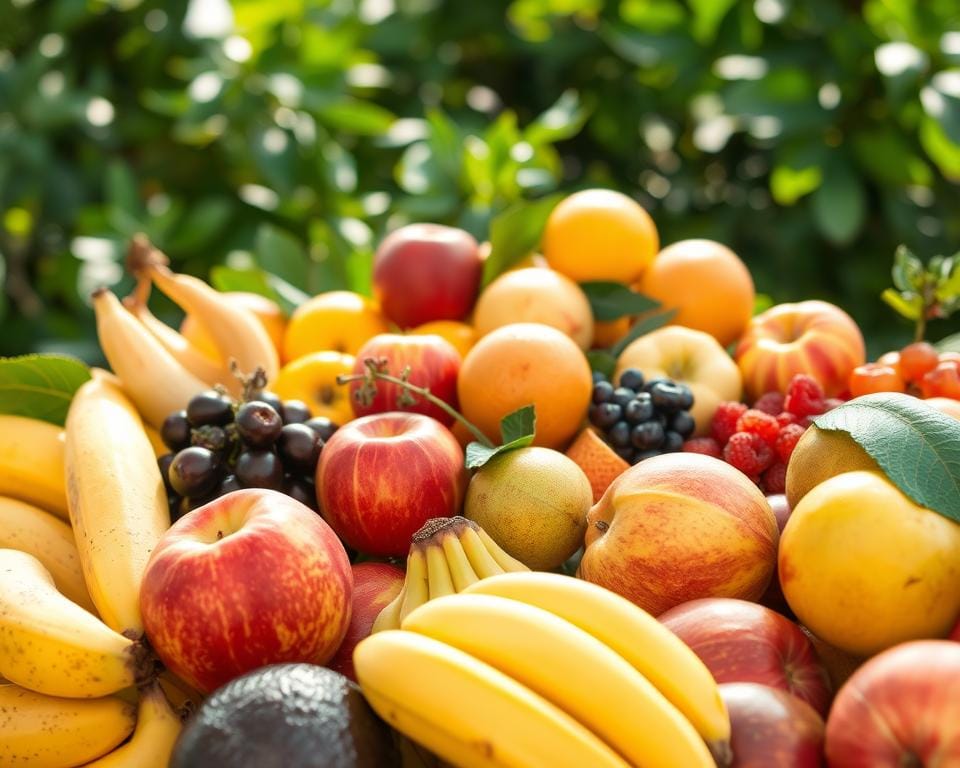
Climacteric vs. Non-Climacteric Fruits


climacteric vs non climacteric fruits

I love the little surprises in a bowl of produce — and understanding climacteric vs non climacteric fruits helps you keep things tasty and fresh. I notice how a banana gives off a sweet smell as it softens, while berries stay bright but don’t sweeten after harvest 🍌🍓.

Here I explain the simple science — ethylene triggers a respiration surge that speeds ripening and color change in some items. Other picks don’t ripen after harvest, so storage matters for quality and less food waste.

I’ll point out practical kitchen swaps — what I leave on the counter vs. what goes in the fridge — and share a short list of common examples you buy every week. For a fun match to your taste, check this quiz about what you like to buy: what fruit are you 😊.

Key Takeaways

  • Know which produce makes ethylene — it can speed spoilage of nearby items.
  • Store climacteric items at room temp to finish ripening; refrigerate others to slow decay.
  • Use simple examples to sort your shopping: apples, tomatoes, bananas vs. berries, citrus.
  • Match storage temperatures to improve quality and flavor.
  • Separating sensitive vegetables from ethylene producers saves food and taste.

Quick answer: how these fruits ripen and why it matters

Quick answer: some produce keeps sweetening after harvest, while others don’t. I like to spot which will improve on the counter and which I should chill right away 😊.
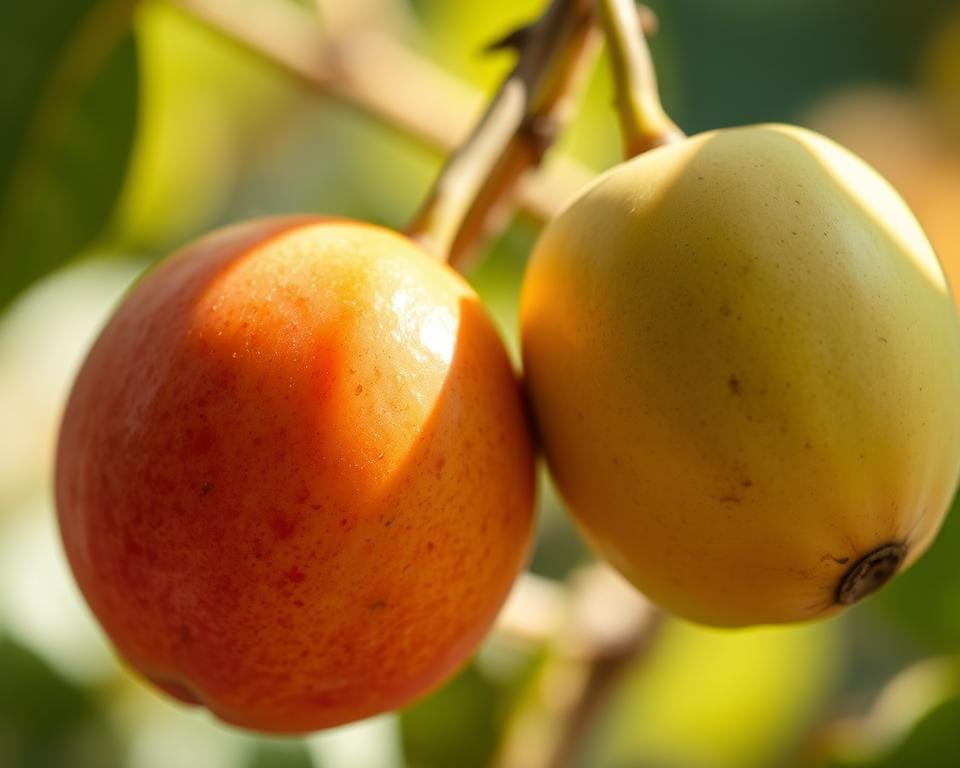
A close-up shot of two adjacent fruits, one climacteric and one non-climacteric, bathed in soft, natural daylight. The climacteric fruit appears ripe, its surface textured and its colors vibrant, while the non-climacteric fruit remains firm and unripe, its hue more muted. The high-detail image showcases the distinct differences in their ripening processes, highlighting the unique qualities that define each type of fruit. The overall mood is fresh, informative, and visually captivating, inviting the viewer to explore the nuances of these contrasting horticultural specimens.

The core difference is simple — a surge of ethylene gas and higher respiration drives the ripening process in certain items. Those are called climacteric fruit; they include apples, bananas, pears, peaches, and tomatoes.

Other picks make almost no ethylene and won’t sweeten after pick. These non-climacteric fruits — like grapes, citrus, and berries — taste best when picked ripe. Plan to eat them within a few days or keep them cold to slow decay.

  • Counter time speeds ripening; fridge cold holds quality.
  • Apples and bananas can speed neighbors — use that to your advantage.
  • Want tips on timing and storage? See my proper storage tips.

Takeaway: know the group, set the spot, and enjoy better flavor with less waste 😊.

climacteric vs non climacteric fruits: definitions, science, and examples

Let’s define the two ripening behaviors and see why ethylene matters in your kitchen. I’ll keep this short and practical.

What it means when a fruit shows a respiration peak: a sudden rise in respiration pairs with a burst of ethylene. That ethylene gas triggers softening, aroma, and color change. Many common items—bananas, apples, pears, tomatoes, mangoes, and avocados—can be picked mature and still ripen at home.

What it means when a fruit does not ripen after harvest: these items make very little ethylene. They won’t sweeten once picked. Think grapes, citrus, strawberries, raspberries, and watermelon. Buy them ripe and chill quickly to keep quality.

“Ethylene production and a respiration surge mark the classic ripening pulse; cultivar genetics can alter that pattern.”

BehaviorTypical examplesKitchen note
Ethylene surge (ripens off plant)Bananas, apples, pears, tomatoesStore at room temp to finish ripening
Low ethylene (no postharvest ripening)Grapes, citrus, strawberriesChill to preserve color and skin
Edge casesSome guava and pepper cultivarsTreat unfamiliar varieties cautiously

Practical impacts: storage temperatures, ethylene management, and ripening control

Good storage starts with simple numbers—temperatures and humidity guide what stays crisp and what sweetens on the counter.

I keep my fridge at 35–40°F. The crisper gives higher humidity and protects leafy vegetables and many produce items. This baseline slows decay and holds quality longer 🧊.

Warm storage for finishing ripening or protecting skin works too. I leave tomatoes (62–68°F) and bananas (56–58°F) on the counter until ripe. Potatoes, winter squash, and many citrus do better at 50–60°F.
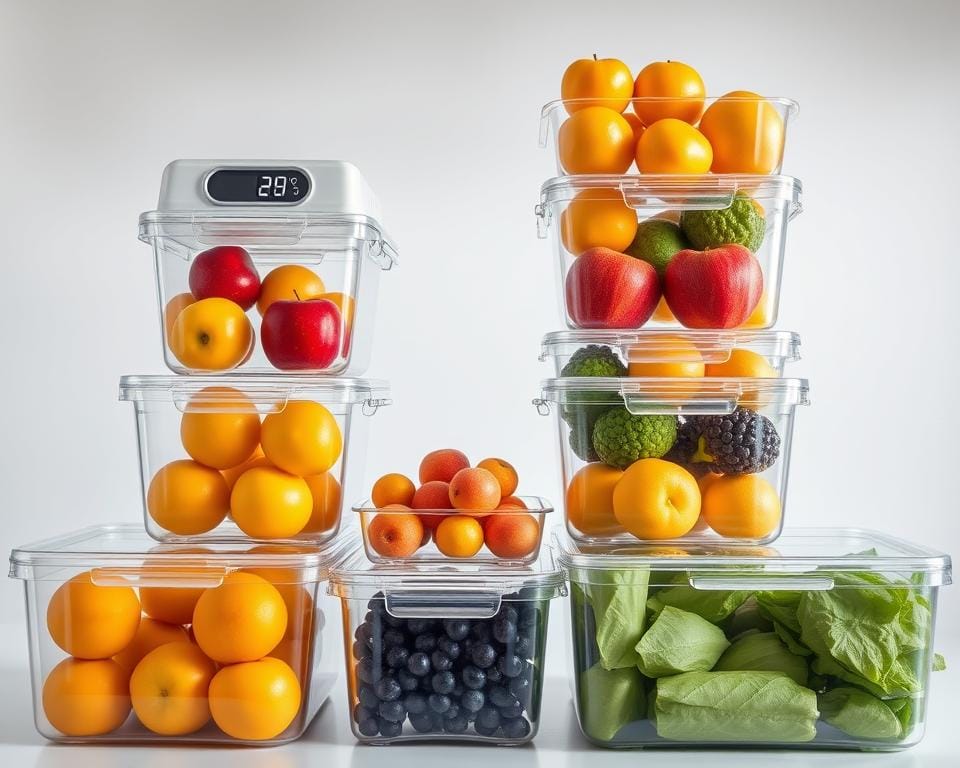
A well-lit laboratory setting with transparent glass containers holding various fruits and vegetables. The containers are stacked neatly, showcasing the different storage temperatures required for climacteric and non-climacteric produce. Precise digital thermometers display the optimal temperatures, while an airy, neutral-toned background emphasizes the scientific and informative nature of the scene. Soft, diffused lighting accentuates the vibrant colors and textures of the fresh produce, inviting the viewer to appreciate the practical considerations of post-harvest storage and handling.

Ethylene production and sensitivity

Some items make ethylene gas; others react badly to it. I separate producers like apples, bananas, pears, tomatoes from sensitive vegetables—cabbage, Brussels sprouts, carrots, cucumbers, broccoli, and leafy greens.

Carrots near apples can taste bitter. Cucumbers next to bananas soften fast. These simple moves cut loss and keep skin and flavor intact.

GroupExamplesRecommended temps (°F)Note
Cold storageGrapes, raspberries32–40Maximizes life; raspberries still short-lived (2–3 days)
Warm/room finishTomatoes, bananas56–68Ripen off the plant; chill after peak to extend life
Cool pantryPotatoes, squash, citrus, peppers45–60Keep dry and ventilated to avoid spoilage

Quick tips I use: loosely bag ripening items to concentrate ethylene; ventilate bins with sensitive vegetables; buy ripe non-ethylene producers and chill them quickly.

“Home separation, proper temperature, and ventilation are the easiest ways to protect flavor and avoid food loss.”

Sources: USDA AMS; K‑State Extension

Conclusion

A simple storage habit can keep your produce tasting better and lasting longer. I sort by physiology — climacteric non-climacteric fruit ripen differently — so I plan eating and storage days accordingly 🍌🍊.

I separate ethylene producers from sensitive vegetables to avoid off-flavors and skin change. I match temperature to the item; some need a warmer spot than the fridge to keep texture.

I finish ripening at room temp for climacteric fruits like mangoes and pears, then chill at peak to extend life. Buy ripe grapes and citrus and chill them fast.

Result: less loss, better quality, and tastier fruit every time. Use feel, aroma, and color as simple cues — you’ll save produce and enjoy it more 😊.

FAQ

What’s the simple difference between climacteric and non-climacteric fruits?

The short answer — some fruit keeps ripening after harvest because they release a burst of ethylene gas and speed up respiration; others do not, or only change slowly. This matters for when to pick, how to store, and how long produce stays tasty and firm. I’ll walk you through examples and practical tips so you can get the best flavor and longest life from your fruit 😊

How do these two groups ripen and why does that matter?

One group shows a clear ethylene surge and a respiration peak that drives softening, color change, and aroma. That means picking slightly underripe and letting them finish off the plant often gives better texture and flavor. The other group produces little ethylene and won’t ripen much once picked — so they need to be harvested ripe for peak quality. This affects timing, storage, and how you combine produce in your kitchen.

What does it mean when a fruit has an ethylene surge and a respiration peak?

It means the fruit suddenly makes a lot more ethylene gas and consumes more oxygen, which speeds up ripening processes — sugar builds, acids fall, tissues soften, skin color shifts, and aroma develops. This is a deliberate biological switch. Understanding it helps you predict how quickly a banana or pear will sweeten and soften after harvest.

What does it mean when a fruit makes little ethylene and won’t ripen after harvest?

Those items change slowly and usually won’t get much sweeter or softer after you pick them. Their texture and flavor at harvest largely determine eating quality. So you should buy them ripe if you want immediate eating quality — think of most berries and citrus — and treat them gently to avoid bruising and moisture loss.

Can you give common examples and tricky edge cases?

Clear examples that keep ripening after harvest include bananas, apples, tomatoes, mangoes, and pears — they react strongly to ethylene. Items that rarely ripen further include strawberries, grapes, and citrus like oranges and lemons. Some varieties blur the line — certain melon cultivars or specific tomato varieties behave differently depending on ripeness at harvest and storage conditions.

How should I store produce at home — temperatures and humidity for best life?

Keep most ripe items in the refrigerator at 34–40°F to slow respiration and delay overripe texture; high-humidity drawers help leafy and delicate produce. Unripe pieces that finish ripening are fine at room temperature — 60–75°F is typical — until they reach the right softness, then move them to cold storage. Citrus and grapes prefer cool, humid conditions and short fridge times to preserve texture and aroma.

How do I manage ethylene in my kitchen — what to separate and why?

Store high ethylene producers (bananas, apples, pears, and ripe tomatoes) away from ethylene-sensitive items (leafy greens, cucumbers, some berries). Use separate drawers or ventilated bags. If you want to speed ripening, place an underripe piece in a paper bag with a ripe banana overnight — the trapped ethylene helps. If you want to slow it, refrigerate or keep ethylene generators apart.

Does temperature change how much ethylene is produced or how fast ripening happens?

Yes — warmer temps speed up respiration and ethylene action, so ripening and softening occur faster. Cooler temps slow both. That’s why storing ripened produce cold extends eating life, while leaving it warm finishes ripening quickly. Be careful: some tropical items like mangoes are sensitive to very low fridge temperatures and can chill-damage if stored too cold.

How long will these fruits keep — days of shelf life to expect?

It varies: ripe bananas and tomatoes may last just a few days at room temp and 3–7 days refrigerated; apples and pears can last weeks under cool, humid conditions; grapes and berries usually last only 3–10 days even when chilled. Use touch, smell, and color as guides — juicy aroma and slight give often mean peak ripeness.

Any quick tips to preserve quality and flavor?

Yes — buy fruit at the right stage for when you’ll eat it; separate ethylene producers from sensitive items; use cool, humid storage for most produce; and handle gently to avoid bruises, which accelerate decay. Small practices — like keeping apples in a crisper drawer and ripening pears at room temp — make a big difference for tasty, colorful fruit 🍎🥭

Comments

Leave a Reply

Your email address will not be published. Required fields are marked *