
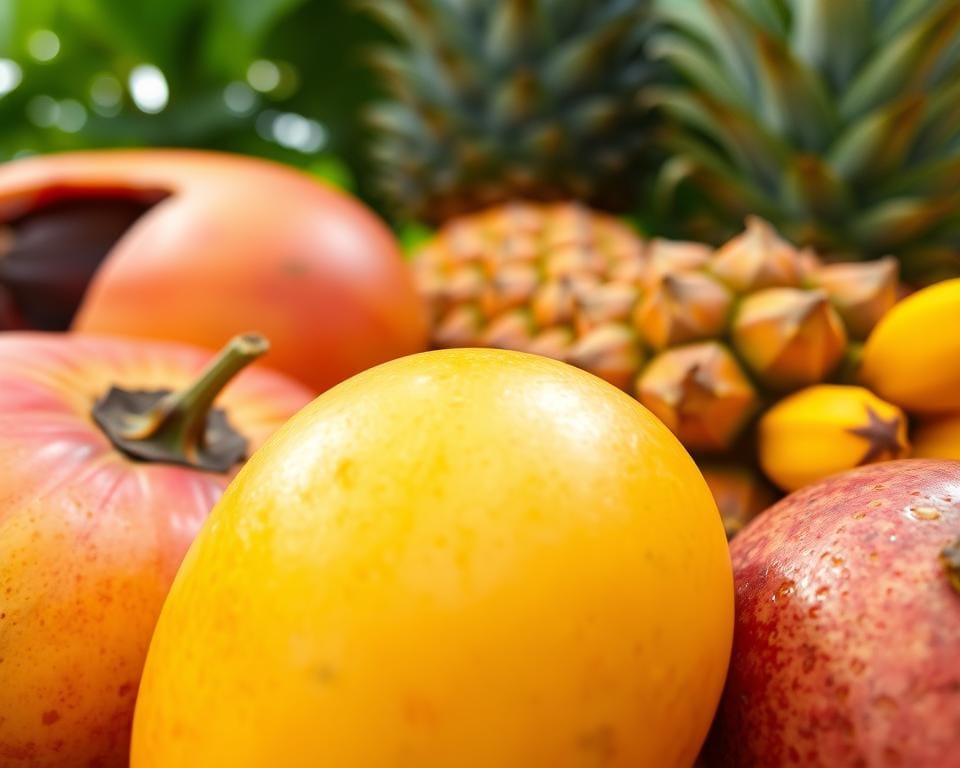
I love finding a perfectly sweet banana — and that craving starts with how ethylene triggers color, aroma, and texture changes in many fruits.
As a home and kitchen nerd, I watch the air, temperature, and touch of a fruit to know when it’s ready — and small steps make a big difference. Ethylene is a natural plant hormone that speeds up maturity and scent; in controlled rooms the usual dose is about 100–150 ppm for safe, effective treatment.
Keep storage levels low — under ~1 ppm — to extend shelf life, and avoid crowded, unvented spaces that raise CO₂ and invite spoilage. For practical storage tips and patterns on which items produce the gas and how to store them, see this guide on how should fruits that produce ethylene gas be.
Key Takeaways
- Some common produce give off a natural plant hormone that speeds maturity.
- Typical ripening-room levels run 100–150 ppm; explosion risk appears only near 27,000 ppm.
- Keep storage ethylene below ~1 ppm to extend shelf life and quality.
- Temperature and humidity matter — apples, pears, bananas, and mangoes need different ranges.
- I recommend venting and simple tools (gas analyzers, firmness testers) for best results.
Quick answer and why ethylene ripening matters
Quick control of the ripening process helps me get ripe, juicy results when I need them. I use short, timed exposures to guide texture and aroma — and it saves waste. 🕒
How it works: The gas binds to receptors in climacteric fruit and starts color and aroma changes. In industry, a common treatment uses about 10 µL/L for ~24 hours to deliver reliable quality.
“The FDA lists ethylene as GRAS for use in commercial postharvest handling.”
- The FDA recognizes this as safe when managed correctly.
- Typical ripening-room levels often run 100–150 ppm; vent rooms because carbon dioxide rises and O₂ drops from respiration.
- For storage, I keep levels low (below ~1 ppm) to extend shelf life and preserve quality.
Want practical storage tips? See how I properly store fresh fruits for longer shelf life and better taste.
Ethylene fruit ripening examples: 9 climacteric fruits and how to ripen them
I use a few tried-and-true tricks to nudge firm produce toward perfect softness and sweet taste. Below are quick, actionable tips for nine common climacteric fruits — short steps you can try at home. 😊
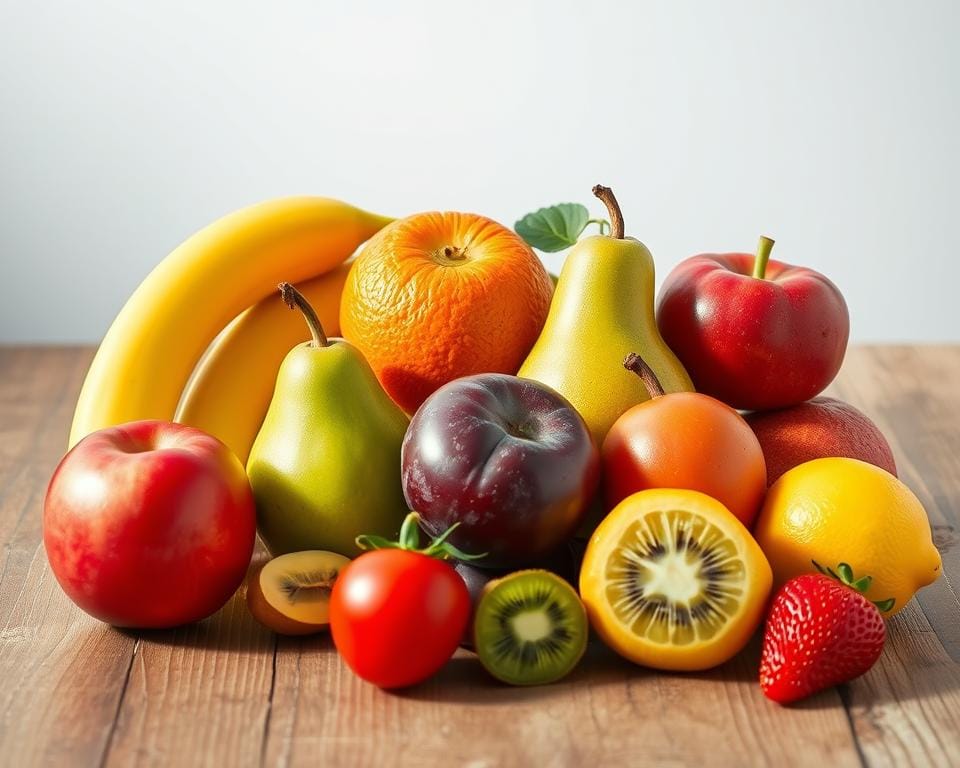
- Bananas 🍌 — I expose them to room ethylene (~10 µL/L) for about 24 hours, then hold near 58°F to keep color and flavor; avoid temps below 55°F.
- Apples 🍎 — Big producers of ethylene; I cold-store at 30–39°F, high RH, and keep them away from greens to prevent early spoilage.
- Avocados — Paper-bag with an apple or banana at room temp; they usually soften in 1–2 days.
- Pears — I cold-store first (around 30–33°F), then finish on the counter for buttery texture and aroma.
- Mangoes — Keep warm (~55°F) for best color and juice; avoid chilling below the teens °C to prevent injury.
- Tomatoes — Ripen off-vine at room temperature with airflow — light ethylene exposure gives even color without too much softness.
- Peaches & Nectarines — Lay in a shallow layer, check daily, or use a loose paper bag to speed the process and reduce bruising.
- Plums — One apple in a bag accelerates softening; test with a gentle thumb press for ripeness.
- Kiwifruit — Pair with bananas to boost local ethylene and shorten time to soft, tangy sweetness.
Pro tip: Small, ventilated spaces trap gas well — check daily to hit your preferred stage of ripeness and flavor.
How ethylene works in fruit ripening
Small gas cues can set a whole batch on a fast track to sweetness. I use simple terms so the idea is clear. This is about signals, timing, and control. 🙂
What it is: Ethylene is a natural plant hormone that starts a chain of changes. The process shifts color, aroma, and firmness as tissues soften and sugars rise.
Climacteric vs non-climacteric
Climacteric fruits keep changing after harvest. They make more ethylene and continue production on the shelf. I can manage timing by adjusting temperature and exposure.
Non-climacteric items do not boost gas levels. They must be picked ripe. I store those separately from producers to protect sensitive vegetables and greens.
Autocatalytic feedback and monitoring
The system is autocatalytic — a small amount of gas triggers higher ethylene production. That feedback loop speeds the ripening process and explains why one ripe apple moves others faster.
- Measure it: I use gas analyzers or gas chromatography to track amounts ethylene and ethylene production.
- Control it: Cooler temps slow growth and delay changes.
- Protect produce: Separate high producers from sensitive vegetables to reduce waste.
Home methods to control ripening and shelf life
A few small habits at home change how long my produce stays tasty and crisp. I keep steps simple and safe — they save time and waste. 😊
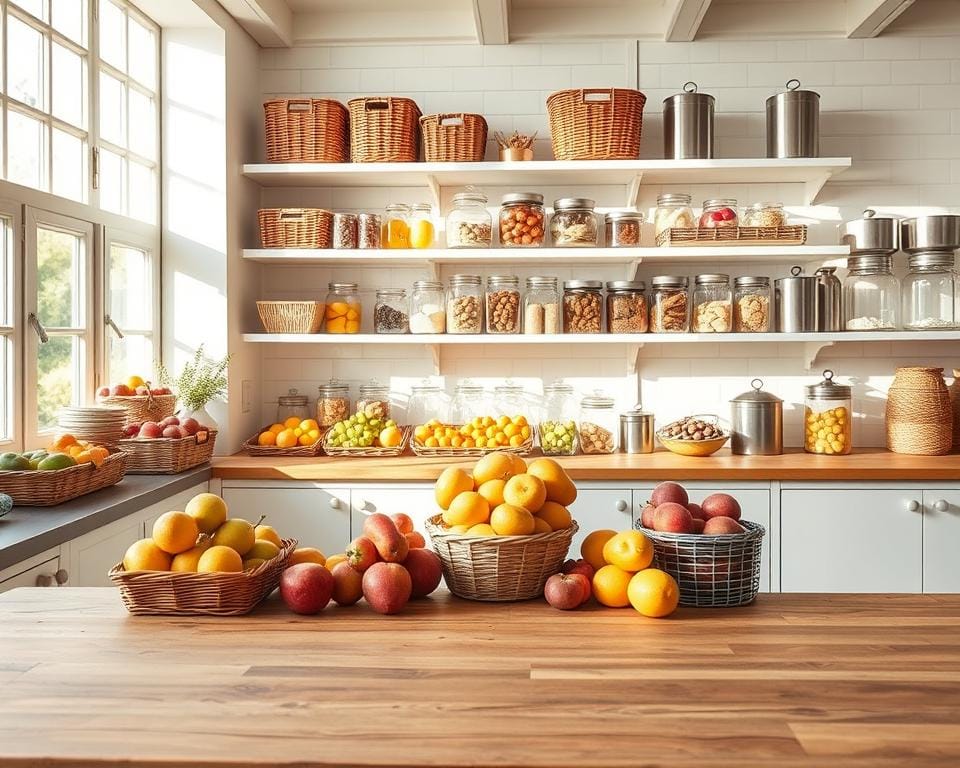
Paper-bag technique and ventilation basics
Paper-bag trick 🍐 — Bag one item with an apple or banana to raise local ethylene gas and speed ripening a bit. Fold the bag once to allow gentle ventilation. Check daily.
Separate producers from sensitive vegetables
Keep producers like apples, bananas, pears, tomatoes and melons away from broccoli, cabbage, cauliflower and leafy greens. Ethylene can pass through boxes and walls — separation prevents loss of quality.
Target temperatures for common fruits
Chill right, not too cold. Apples: 30.2–39.2°F. Pears: 29.3–32.9°F. Bananas and mangoes: about 55.4–59°F. High humidity (85–95% RH) helps keep texture and shelf life.
- For longer storage: aim for very low levels — below ~1 ppm to slow changes.
- Airflow matters: a small fan or a cracked door purges CO2 and keeps a steady room environment.
- Simple aids: ethylene filters or sachets extend shelf life and improve quality.
- Daily checks: rotate stock and inspect to keep control of spoilage.
Controlled ripening for industry
I set precise room targets so each pallet reaches the same sweet spot at the same time. This makes handling predictable and reduces claims. 😊
Room conditions: temperature, humidity, carbon dioxide, O2
I keep the room stable. Temperature and high humidity give uniform color and texture. Ventilation prevents carbon dioxide buildup and keeps O2 at safe levels.
Tip: Monitor CO2 closely — rising carbon dioxide signals high respiration and the need to vent. That protects shelf life and finish quality.
Ethylene exposure: about 10 µL/L and treatment time
For a standard treatment I use ~10 µL/L of ethylene gas for ~24 hours. That dose triggers predictable changes — for example, bananas de-green and color evenly.
Control the concentration ethylene carefully. Shorter or lower treatments give milder results; higher exposure risks uneven outcomes.
Monitoring tools: gas analyzers and firmness testers
I rely on real tools. The F-960 Ripen It! Gas Analyzer tracks ethylene levels, O2, and carbon dioxide in real time.
Firmness testers — like Baxlo — let me match picks to customer specs. I log gas readings and firmness by time to refine cycles.
Ethylene removal and controlled atmosphere storage
When I want storage life, I use scrubbers or filters to cut gas levels. Controlled atmosphere storage — lower O2 and slightly higher CO2 — slows production and extends shelf life.
“Consistent atmosphere control and logged SOPs cut waste and keep quality steady.”
- Room stability is the foundation.
- Typical use: 10 µL/L for ~24 h, then holding at target temp.
- Monitor: gas analyzers + firmness tests for reliable output.
Quality, safety, and compliance
I treat safety and quality as the baseline — every cycle must protect people and produce. I follow clear limits, document steps, and train my team.
The U.S. FDA lists ethylene as GRAS for commercial use. I rely on that for compliant products. I never use calcium carbide — it can contain arsenic and phosphorus and is illegal in many places.
Worker safety and air management
I watch carbon dioxide and oxygen during each cycle. Typical ripening room levels (100–150 ppm) are far below human danger. Breathing risks come from high CO2 and low O2 — so I vent the room and use CO2 alarms.
Safe concentrations and explosion limits
Ethylene becomes explosive near 27,000 ppm. I keep operations well under that limit. I also prefer rooms larger than 2,000 ft³ and interlocked fans to reduce risk.
Records, controls, and practical checks
- Documented control: log amounts ethylene, temperature, and times for audits.
- Protect products: separate high producers from sensitive vegetables and other plant items.
- Simple safety: CO2 checks, door procedures, and fan interlocks cut risk and keep the environment stable.
“Good logs and steady ventilation protect staff and keep product quality consistent.”
Common mistakes to avoid
Don’t let small handling errors eat your fruit and vegetables. I spot repeat problems in home kitchens and delivery trucks. Fixes are simple — and fast. 😊
Storing apples with broccoli and leafy greens
Don’t mix high producers with sensitive vegetables. Apples release gas that speeds color and texture changes in broccoli, cabbage, and leafy greens.
Fix: separate zones. Label drawers and boxes “greens” and “fruits vegetables” to stop cross-contamination.
Chilling-sensitive fruits stored too cold
Don’t stash bananas or mangoes in cold spots. Low temperature causes chilling injury — brown spots and poor taste.
Fix: keep chilling-sensitive items at warmer temps. Use a warm tray or a dedicated shelf away from the fridge door.
Unventilated transport leading to overexposure
Don’t use sealed trucks or boxes. Unventilated space traps ethylene and carbon dioxide and speeds over-ripening.
Fix: add vents, run brief door-open checks on stops, or use simple filters in long-haul bins to control the amount ethylene and protect shelf life.
- Quick wins: separate apples and greens; keep bananas warm; add vents or filters; label zones for easy handling.
| Mistake | Effect | Quick fix |
|---|---|---|
| Mixing apples with vegetables | Fast color and texture changes in greens | Label and separate storage zones |
| Cold storage for bananas | Chilling injury, brown peel, poor taste | Keep at warmer temperature away from fridge |
| Sealed transport | High ethylene levels and carbon dioxide buildup | Add vents, brief door opens, or filters |
Conclusion
With a few checks and a short treatment, I can get consistent color and flavor fast. I use measured levels — about 10 µL/L for ~24 hours — then hold at target temps for the best results.
Keep storage cool and keep ethylene low (below ~1 ppm) to slow change and protect shelf life. Vent rooms to prevent CO₂ buildup and monitor with simple tools.
Takeaway: set the process, time it, and use temperature, ventilation, and checks. That yields safer, compliant, and tastier products — less waste, more happy bites. 😊
Leave a Reply