
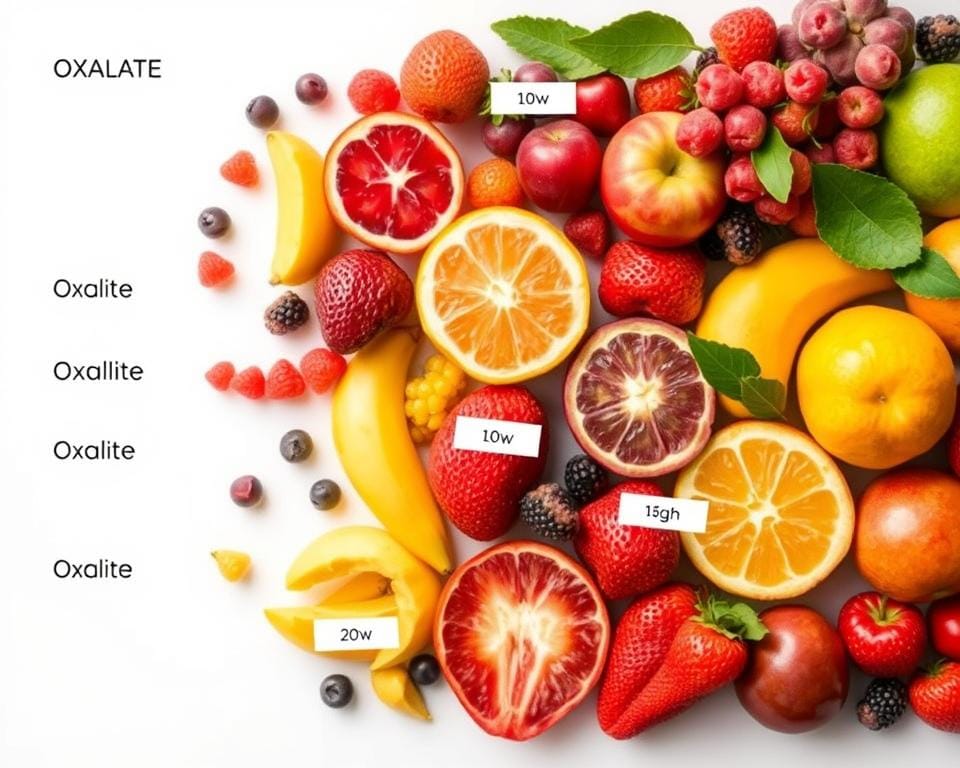
Quick answer: I find that most fruit have very low oxalate, so you can enjoy juicy, colorful picks in normal servings. 🥭 The few high items — raspberry and dates — deserve smaller portions to help prevent kidney stone risk.
I love the snap of a grape and the sweet pop of a blueberry — they add flavor without raising stone risk. I pair fruit with yogurt or milk for extra calcium to cut absorption and protect the kidney.
Serving numbers matter: grapes ~2 mg per cup, blueberries ~4 mg per cup, melons near zero, while raspberries can be ~48 mg per cup. Aim for a daily oxalate budget under 100 mg (ideally ~50 mg) and drink water to lower stone formation.
Key Takeaways
- Most fruit are low in oxalate — enjoy regular servings.
- Limit high items like raspberries and dates in one day.
- Pair fruit with calcium-rich dairy to reduce absorption.
- Target a daily oxalate budget under 100 mg; 50 mg is ideal.
- Stay hydrated — water helps prevent kidney stones.
- Lab methods vary; use curated, peer-reviewed info for decisions.
Who needs to monitor fruit oxalate, and why it matters
I check labs first. When a 24‑hour urine test shows high oxalate, monitoring diet becomes important. This result tells your doctor why you form kidney stones and what to change.
If your results do not show elevated urine, strict limits rarely help. Instead, focus on fluids, sodium control, and steady calcium with meals — it binds oxalate in the gut and lowers urine excretion.
“A 24‑hour urine pinpoints whether a low oxalate diet is needed.”
I advise patients to personalize changes. People with high urine benefit from learning which items add up fast and how serving size matters. Fruit usually makes up a small slice of total oxalate — leafy greens and concentrated foods can dominate.
- Only test-driven monitoring: follow the 24‑hour urine.
- If urine is normal: prioritize hydration, sodium, and dietary calcium.
- If urine is high: use portion control and the daily budget to lower stone risk.
Quick answer: Most fruits are low oxalate; watch a few high-oxalate picks
You can keep fruit on your plate: most picks are low in oxalate and fine in normal servings. I like to keep things simple—choose juicy, colorful snacks and enjoy them.
Low examples with numbers: grapes ~2 mg per cup; blueberries ~4 mg per cup; melons 0–1 mg per cup; apples ~1 mg per apple; pears ~2 mg per pear.
Higher items to limit: raspberries ~48 mg per cup; dates ~24 mg per date; canned or dried pineapple ~24–30 mg per ½ cup. Small servings make a big difference—oxalate adds up across foods in a meal.
- Most sit low: everyday go‑tos for snacks and desserts.
- Portion control: keep servings steady to manage daily totals.
- Pair with calcium: yogurt, milk, or cheese at a meal helps limit absorption.
- Stay hydrated: water through the day lowers stone risk.
I fold these ideas into a practical diet—choose, portion, pair with calcium, sip water, and enjoy tasty fruit without stress. 😊
Oxalate content of fruits chart
Use this quick reference to plan snacks and keep daily totals in check. I list common picks, serving sizes, and measured milligrams so you can track per day intake easily. 😊
| Category | Item | Serving | Mg per serving |
|---|---|---|---|
| Low (≤5 mg) | Grapes | 1 cup | ~2 mg |
| Low (≤5 mg) | Apple | 1 apple | ~1 mg |
| Low (≤5 mg) | Blueberries | 1 cup | ~4 mg |
| Moderate–High (≥10 mg) | Raspberries | 1 cup | ~48 mg |
| Moderate–High (≥10 mg) | Dates | 1 date | ~24 mg |
| Moderate–High (≥10 mg) | Canned pineapple | ½ cup | ~24 mg |
| Moderate–High (≥10 mg) | Dried pineapple | ½ cup | ~30 mg |
Serving notes: fresh items use per cup or per fruit; canned/dried use ½ cup to reflect concentration. Aim to keep totals under 100 mg per day—50 mg is ideal.
Pair low picks with yogurt or milk for calcium. That helps lower absorption and supports stone prevention. Use these numbers to plan a tasty, safe diet.
How to read and use the chart for everyday choices
Check the serving size first; that tiny detail decides whether a snack fits your daily budget. Match “per cup,” “per fruit,” or “per ½ cup” to your plate before you add totals. This makes planning simple and real.
I group items by milligrams per serving so you can swap within a color band—pick low group most days and save higher items for small portions. Track intake across breakfast, lunch, and snacks so you don’t exceed your goal.
Pair higher picks with calcium—yogurt, milk, or cheese at a meal reduces absorption and helps protect the kidney. Also, keep fluids up and limit sodium; both lower stone risk across the day.
- Scan serving sizes first, then tally milligrams across meals.
- Keep day totals under your budget—50–100 mg is a useful guideline.
- Read canned labels—portion changes concentration, not the numbers themselves.
- Use urine test results and your doctor’s advice before tightening limits.
I use this guide as information, not fear—plan tasty, colorful choices, limit the high group, and add calcium when needed. Small swaps add up to big benefits for kidney health. 😊
High-oxalate fruits to limit and typical mg per serving
A few sweet picks can use a big slice of your daily milligram budget — plan them carefully. I flag the clear outliers so you can enjoy treats without blowing your daily goal.
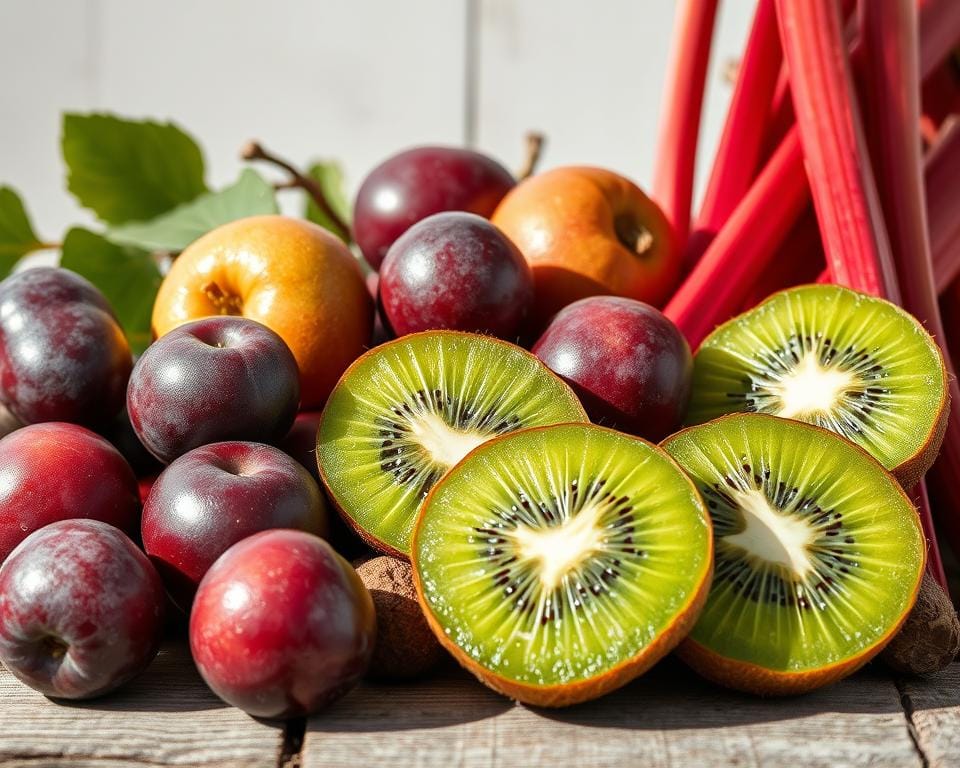
- Raspberries: ~48 mg per cup — enjoy small portions and pair with yogurt or cottage cheese to lower absorption.
- Dates: ~24 mg per date — a single date uses a big slice of your budget; save for rare treats.
- Canned pineapple: ~24 mg per ½ cup — choose fresh when possible.
- Dried pineapple: ~30 mg per ½ cup — very concentrated; keep portions tiny.
Keep servings smaller and less frequent — once or twice a week is sensible if you follow a strict budget for stone prevention. Pairing these items with calcium at a meal helps reduce gut uptake.
Easy swaps: pick blueberries instead of raspberries, fresh pineapple instead of dried, or an apple instead of a date. Watch bars and trail mixes — they can hide concentrated dried fruit and push totals up fast.
Low-oxalate fruits you can enjoy freely in sensible portions
Bright, low-risk picks make it easy to keep snacks tasty and safe every day. I reach for juicy, colorful choices that fit a balanced diet — no stress, just good flavor. 😊
My everyday low list: grapes, apples, melons, pears, blueberries, and fresh pineapple. These are friendly for stone prevention when served sensibly.
- Typical servings & mg per serving: grapes ~2 mg per cup; apple ~1 mg per apple; melon 0–1 mg per cup; pear ~2 mg per pear; blueberries ~4 mg per cup; fresh pineapple ~4 mg per cup.
- Pairings I use: blueberries with Greek yogurt; apples with cheddar; melon with cottage cheese; pears with ricotta — calcium helps lower absorption.
- Frozen fruit (no added sugar) usually keeps similar milligram values—check servings on the package.
- For lunchboxes, pick whole fruit — it gives built‑in portion control and hydration.
| Fruit | Serving | Mg per serving |
|---|---|---|
| Grapes | 1 cup | ~2 mg |
| Apple | 1 medium | ~1 mg |
| Melon | 1 cup | 0–1 mg |
| Blueberries | 1 cup | ~4 mg |
| Fresh pineapple | 1 cup | ~4 mg |
Sensible portions mean you can enjoy these picks daily and still protect kidney health. Mix them across the week to keep meals bright and nutrient‑dense — low risk, big flavor.
Fresh vs dried or canned fruit: concentration effects on oxalate
When water is removed or fruit is packed, the same sweet bite can carry a much bigger milligram load. Drying shrinks volume — the same weight fits into a tiny serving, so measured milligrams per ½ cup jump sharply.
Canned goods also concentrate solids. For example: fresh pineapple is ~4 mg per cup, while canned pineapple runs ~24 mg per ½ cup and dried pineapple ~30 mg per ½ cup. That difference changes your daily intake fast.
- Drying removes water: more fruit per bite, higher milligrams per serving.
- Canning concentrates solids: pick fruit packed in juice and watch the ½ cup measure.
- Frozen ≈ fresh: if no syrup is added, frozen keeps lower values.
- Smart swaps: use fresh or blueberries instead of dried mixes, and keep servings small for dried items.
- Meal pairing: add milk or yogurt to blunt absorption and protect your kidney.
Track totals across the day — preserved portions can eat into your stone budget fast. Small swaps keep sweetness and lower risk. 😊
Pair fruit with calcium to lower oxalate absorption
Eating dairy with fruit is a simple, effective trick I use to protect kidneys. Aim for about 1,000 mg calcium per day and spread it with meals — that is where it helps most.
How the pairing works
Calcium binds oxalate in the gut and forms an insoluble complex you pass — not absorb. Less absorption means less in the urine and a lower stone risk.
“Pairing calcium-rich food with fruit cuts gut uptake and helps prevent stones.”
| Pairing | Example | Calcium approx. |
|---|---|---|
| Yogurt + berries | ½ cup Greek yogurt + ½ cup berries | ~150–200 mg |
| Milk + banana | 1 cup milk + banana | ~300 mg |
| Cottage cheese + melon | ½ cup cottage cheese + melon | ~100–150 mg |
| Cheddar + apple slices | 1 oz cheddar + 1 apple | ~200 mg |
Practical tips: choose lactose‑free dairy if needed and check labels. Keep sodium moderate — high salt can raise urinary calcium and blunt benefits. Build these pairings into your diet for easy, tasty stone prevention. 😊
Beyond oxalate: full kidney stone prevention diet context
A smart stone‑prevention plan treats oxalate as one puzzle piece — not the whole picture. I recommend a few broad habits that work together to lower risk and keep eating enjoyable. 😊
Key steps I emphasize are simple and evidence‑based. Drink enough water to make at least 2–2.5 liters of urine daily — that dilution helps stop crystals forming.
Keep sodium near 2,300 mg/day; lowering salt cuts urinary calcium. Eat calcium from foods every day — it protects bones and binds oxalate in the gut.
- Enjoy vegetables and produce for citrate and potassium — both protect the kidney and help prevent stones.
- Moderate animal protein — too much raises acid load and can lower urine citrate.
- Balance your plate: colorful produce, whole grains that suit you, lean protein, and dairy at meals.
“Hydration, sodium control, adequate calcium, and balanced meals form the backbone of prevention.”
Track your intake with a simple log and review results with your clinician. That turns a fruit list into a smart, whole‑diet strategy for long‑term kidney health. 🍉
Hydration goals that support lower stone risk
Aim for steady sips, not marathon gulps — steady fluid wins. I tell patients to reach enough clear urine so total urine hits about 2–2.5 liters per day. That target helps with stone prevention and lowers oxalate delivery to the kidney.
Spread water through the day — a glass at meals and snacks, plus one between. Use a marked bottle to make the target visible and fun. Add lemon or lime for flavor and extra citrate — a small help for prevention.
- Simple goal: urinate every few hours and meet ~2–2.5 L urine per day.
- Practical tips: marked bottle, bedside glass, and a work routine to avoid catching up later.
- Beverage notes: plain water is best; coffee is essentially oxalate‑free; brewed tea can vary — keep steep times short.
- Adjust: drink more around exercise or hot weather to protect urine volume and lower stone risk.
- Pairing: sip water with a fruit snack — tasty and practical for steady intake.
“Hydration is the easiest daily win for stone prevention.”
Preparation and measurement: what affects listed oxalate values
I’ll walk through why lab numbers fluctuate and what that means for planning meals — no panic, just useful science. 😊
Why numbers vary: HPLC vs spectrophotometry and extraction conditions
Analytical method matters. High‑performance liquid chromatography (HPLC) gives high sensitivity and accuracy; it separates compounds and reports tight results. Spectrophotometry is simpler and cheaper — fine for rough screens but less sensitive when values are low.
Extraction steps change totals. Labs use different extractants (acid vs water), temperatures, and times. Those choices decide how much soluble versus total material is measured. Small tweaks in extraction shift reported numbers, so lists can disagree.
| Factor | Effect on reported value | Practical note |
|---|---|---|
| Method (HPLC vs spectro) | HPLC = higher precision; spectro = wider variance | Trust HPLC‑based reports for detailed planning |
| Extractant & temp | Acid extracts more total; water favors soluble | Compare like‑for‑like (same extraction) when using lists |
| Plant variability | Variety, ripeness, season, soil change results | Expect natural ranges rather than single numbers |
| Processing | Drying/canning concentrates per serving | Use fresh values when possible; adjust for dried/canned |
“Accurate extraction is the first step; method differences explain list discrepancies.”
- Pick consistent sources — use one trusted, peer‑reviewed set when planning meals.
- Remember biology: less absorbed material means lower urine oxalate and fewer calcium oxalate crystals forming in the kidney.
- Focus on ranges — they reflect real variability and help you avoid overreacting to small shifts in results.
Daily oxalate “budget”: plan meals to stay under 50-100 mg/day
A clear per‑day limit turns guesswork into simple mealtime math. I like to set a target — under 100 mg per day, with ~50 mg ideal — and then build meals around that goal.
Sample day using low‑oxalate picks and calcium pairings
- Breakfast: ¾ cup blueberries (~3 mg) over ¾ cup Greek yogurt — coffee and a glass of water. (Calcium pairs at the meal.)
- Morning snack: 1 apple (~1 mg) with 1 oz cheddar — quick, tasty, and calcium‑rich.
- Lunch: Turkey sandwich; 1 cup melon (0–1 mg) and a glass of milk for added calcium.
- Afternoon snack: Grapes, 1 cup (~2 mg) with another glass of water.
- Dinner: Salmon, rice, roasted zucchini; side pear (~2 mg); sparkling water with lemon.
- Dessert: Fresh pineapple, 1 cup (~4 mg) with ¼ cup cottage cheese for calcium.
Daily fruit subtotal: roughly 12–13 mg — that leaves room for other foods and keeps you well under 100 mg for the day.
“Set a simple budget, pair fruit with calcium, and sip water through the day.”
Practical notes: spacing calcium at meals matters — it binds milligrams in the gut and lowers urine levels. Aim to make enough urine each day (~2–2.5 L) by sipping water regularly. Small swaps and steady hydration make a low oxalate diet easy, tasty, and repeatable. 😊
Special situations: when to test first and personalize
Before big diet changes, get a 24‑hour urine test — it guides smart steps. If you’ve had kidney stones more than once, testing first helps you avoid guesswork and keeps changes practical. 😊
That single urine report shows what drives your risk: oxalate, calcium, citrate, or low volume. Your results tell me whether a low oxalate diet is needed or whether other fixes — more calcium at meals, less sodium, or more fluids — will help.
Some people normalize urine values by adding dietary calcium instead of strict restrictions. Others need targeted limits, plus sodium reduction and follow‑up testing.
- Who should test: recurrent stones, high‑risk patients, or people with digestive surgery or malabsorption.
- Also check: medications and supplements — they change urine chemistry.
- Next steps: review stone analysis if available and re‑test 6–12 weeks after changes.
“Personalized testing keeps your diet practical and protective.”
Common pairings with fruit: the good, the risky, and workarounds
Smart combos help you enjoy treats without hiking stone risk. I favor dairy — yogurt, cottage cheese, and slices of cheese — because calcium in these foods binds milligrams in the gut and lowers what reaches the urine.
Good pairings: yogurt parfaits with fresh berries, cottage cheese bowls, and apple slices with cheddar — tasty, filling, and protective.
Risky adds: big handfuls of nuts and concentrated dried fruit. Nuts are easy to overeat and can push your daily totals fast.
Chocolate has some milligrams too — but I fold small amounts into milk or yogurt to blunt uptake. Granola and trail mix hide nuts and dried fruit; scan ingredients and keep portions tiny.
- Tea & coffee: short steep times lower milligram release; coffee is essentially free.
- Spreads: peanut butter and tahini add milligrams — use thin layers or swap to ricotta or cottage cheese on toast.
- Smart swaps: choose pumpkin or flax seeds instead of a large nut mix, and pick fresh over dried fruit for parfaits.
“Small swaps keep taste first — and steadily lower stone risk.”
I keep meals joyful — a spoonful of ricotta with pear or a berry yogurt bowl hit the sweet spot. Taste matters; small changes add up and protect your kidneys. 😊
Data sources and quality: curated lists and peer‑reviewed methods
I base this guide on trusted lab work and civic kidney guidance—transparency matters. I use curated lists derived from Harvard and updated by Dr. Ross Holmes and Dr. Michael Liebman. I cross‑check numbers with peer‑reviewed studies that explain HPLC vs spectrophotometry and extraction steps that change reported values.
Quality means clear methods and consistent units. I report servings with ranges so you see real‑world variation, not single fixed values. When results differ, the cause is usually method choice, extraction solvent, or plant variability.
“Good data makes good daily decisions—trust curated lists and peer review.”
| Source | Role | What I check |
|---|---|---|
| Harvard database | Base list | Standardized servings & ranges |
| Peer‑review papers | Method details | HPLC, spectrophotometry, extraction notes |
| NIDDK & NKF | Prevention guidance | Hydration, calcium, sodium, diet patterns |
Practical takeaways: I translate technical results into simple food choices—what to eat, how much, and when to pair with calcium. I keep references current so you can review the original studies and public guidance.
Conclusion
Keep it simple: tasty plates and steady habits beat strict rules. Most picks are low in oxalate, so enjoy colorful snacks in normal servings.
Pair bites with calcium at meals, watch portions, and aim for a daily budget near 50–100 mg. Drink steady water so urine totals reach about 2–2.5 liters — that helps prevention and lowers stone risk.
Test and personalize with your clinician when needed. Small daily steps add up — your plate can stay tasty, colorful, and kidney‑smart. 😊
Leave a Reply