
I love the bright snap of a cold grape or the tart zip of a lemon—these fruit reach peak taste on the plant and won’t sweeten after picking. I store them cool and humid to hold texture, color, and top flavor; it works every time. 🙂
Quick fact: these are non-climacteric picks—once picked they stop gaining sugar, so chill fast and keep them away from ethylene sources.
I draw on Extension tables and USDA/K-State data to give exact storage temps, humidity, and days to keep peak quality. You’ll find clear examples and a useful table later in the article, with a practical range of temps—like grapes at 32°F and berries near 32°F with high RH.
For quick guidance, see my detailed note on seedless picks at what fruit does not have a and use the storage tips to protect flavor and texture.
Key Takeaways
- These items are non-climacteric—no extra sweetness after harvest.
- Chill promptly and keep high humidity to retain quality.
- Separate from strong ethylene producers to avoid softening.
- Extension and USDA data give reliable temp and RH guidelines.
- Eat sooner—these picks won’t improve off the plant.
Quick answer and why it matters for ripening and storage
Quick answer: these picks stop gaining sweetness after harvest, so I chill them fast to keep texture and flavor. 😊
What “non-climacteric” means for ripening
In plain terms, a climacteric fruit keeps maturing off the plant — it shows a respiration spike and responds to ethylene gas. By contrast, climacteric non-climacteric produce must finish maturity on the plant and won’t gain sugar after removal.
“Climacteric fruit continue to mature and gain sugar after picking; non-climacteric need to stay on the plant to reach full physiological maturity.”
Why these items won’t sweeten after harvest (and what to do)
They lack the starch-to-sugar conversion that drives late sweetening. The respiration rates stay low, so sugars don’t increase and changes are mostly loss of quality.
- Storage move: refrigerate promptly and keep humidity high.
- Separation: keep them away from strong ethylene producers to avoid accelerated aging or injury.
- Safety: once cut, refrigerate within 2 hours for food safety.
For more on handling and cool storage, see my proper storage tips to protect flavor and shelf life.
Non ethylene fruits list: 15 common non-climacteric fruits with storage tips
Quick intro: Buy these ripe — they won’t sweeten after harvest. Below I give exact temps, RH, and practical use windows so you can store like an extension pro. 😊
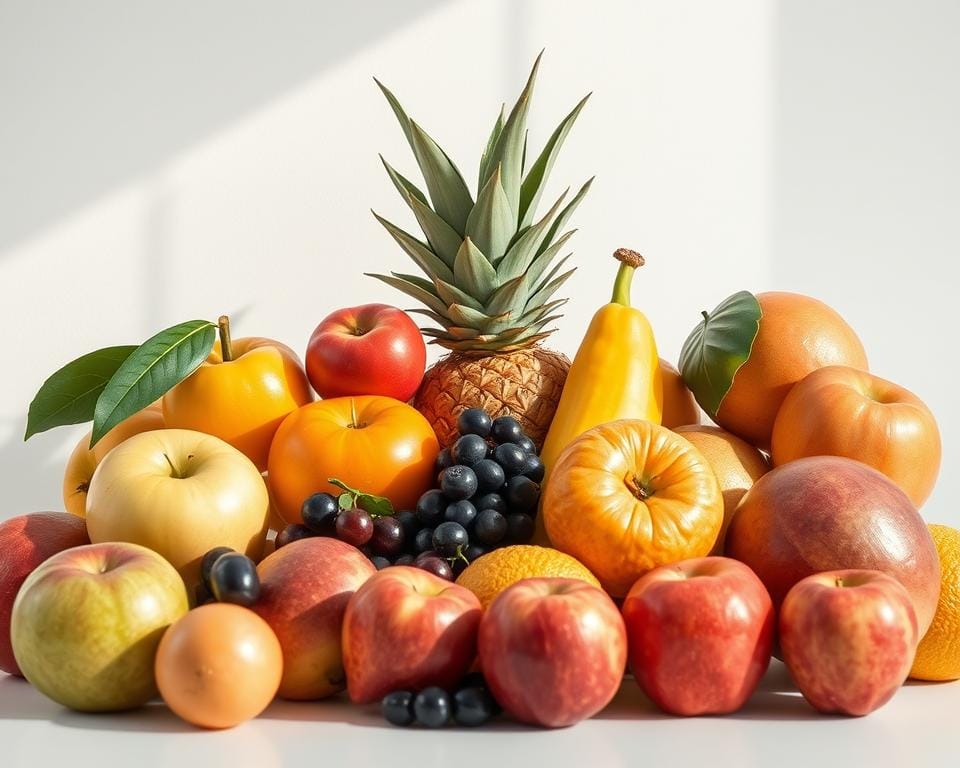
- Grapes — 32°F, ~85% RH; 56–180 days. Leave bloom intact; unwashed until eating.
- Strawberries — 32°F, 90–95% RH; 5–10 days. Single layer, high humidity to protect color and flavor.
- Blueberries — 31–32°F, 90–95% RH; 10–18 days. Chill quickly to extend life.
- Raspberries — 32°F, 90–95% RH; 2–3 days. Extremely perishable—keep away from bananas or peaches.
- Blackberries — 31–32°F, 90–95% RH; 2–3 days. Handle gently to avoid juice loss.
- Sweet cherries — 30–31°F, 90–95% RH; 14–21 days. Keep stems on for best flavor.
- Oranges — 32–48°F, 85–90% RH; 21–56 days. Classic examples of long cold life.
- Lemons — 50–55°F, 85–90% RH; 30–180 days. Wide range—cool, not freezing.
- Limes — 48–50°F, 85–90% RH; 21–35 days. High RH prevents shrivel.
- Grapefruit — 50–60°F, 85–90% RH; 28–42 days. Flavor won’t deepen off the tree.
- Pineapple — 45–55°F, 85–90% RH; 14–36 days. Sniff for ripeness at purchase—sugar won’t increase later.
- Pomegranate — Refrigerate to preserve arils and texture; cool slows moisture loss and preserves quality.
- Watermelon (whole) — 50–60°F, ~90% RH; 14–21 days. Once cut, refrigerate and eat within days.
- Lychee — Cold, humid storage; keep in breathable bags to protect color and slow browning.
- Kumquat & mandarins — Typical citrus temps; they don’t ripen off-tree—store cool and use within the ranges above.
Practical tip: I buy these close to peak, chill fast, and keep them away from bananas or nectarines to avoid accelerated change from nearby ethylene sources.
How to store non-climacteric fruits to preserve flavor and quality
A simple chill-and-separate routine saves taste and extends shelf life. I keep steps basic so they fit any kitchen. Chill quickly, control moisture, and avoid nearby ethylene gas sources. 😊
Keep cold, avoid freezing: ideal temperature ranges by fruit
Berries do best at 31–32°F; grapes near 32°F. Pineapple likes 45–55°F. Citrus spans 32–60°F depending on type. Most home fridges run 35–40°F—use the coldest drawer for berries and grapes to slow respiration and quality losses.
Separate from climacteric fruit to prevent damage
Store sensitive produce away from climacteric fruit like bananas and peaches. Ethylene exposure speeds softening and off-flavors. Keep vegetables that react to ethylene in a different drawer to avoid changes noted by Extension (cabbage, carrots, cucumbers).
Moisture matters and handle gently
Use high-humidity crisper for berries (90–95% RH) and grapes (~85% RH). Store unwashed and in breathable containers. Line with paper towels to manage moisture; wash before eating.
| Item | Temp (°F) | RH | Max practical life |
|---|---|---|---|
| Berries | 31–32 | 90–95% | 2–10 days |
| Grapes | 32 | 85% | 2–8 weeks |
| Citrus | 32–60 | 85–90% | 3–12 weeks |
“Chill quickly, keep humidity high, and separate from ethylene producers.”
Quick routine: buy ripe, chill fast, rotate stock, and eat sooner for best flavor.
Conclusion
Conclusion
Bottom line — climacteric non-climacteric fruit reach their best on the plant, and after harvest they won’t get sweeter. I keep storage simple: chill fast, control humidity, and separate sensitive items from climacteric fruits.
Why it matters: non-climacteric fruits do not show the starch-to-sugar increase after picking; smart cold storage slows respiration and keeps color, texture, and content you enjoy. 😊
Keep them away from ethylene gas producers like bananas, peaches, nectarines, and apples. Buy ripe, eat sooner, and store smarter — you’ll waste less and enjoy better ripening outcomes at home.
Leave a Reply